
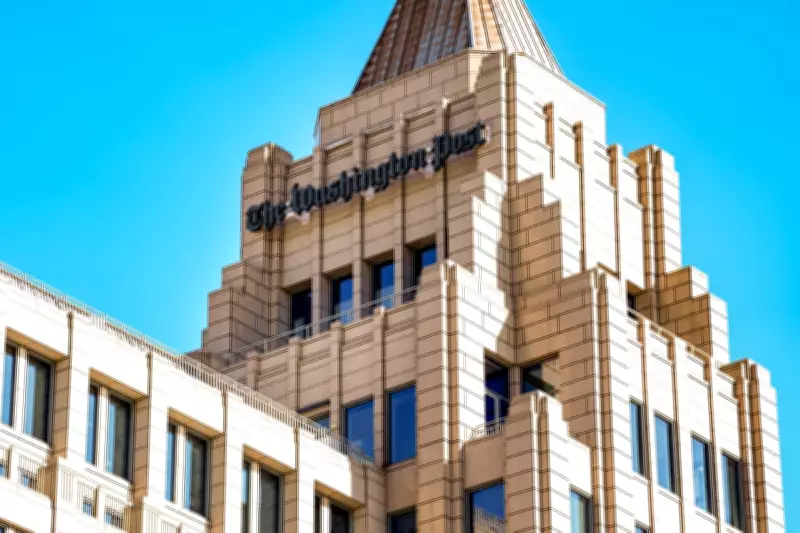
Federal Judge Halts DOJ Search of Reporter's Devices in Landmark Ruling
A federal judge has issued a significant ruling blocking the Department of Justice from searching the electronic devices of a Washington Post reporter. This decision marks a pivotal moment in the ongoing tension between government surveillance and press freedoms, with the judge emphasizing the critical role of the First Amendment in protecting journalistic sources and materials.
First Amendment Concerns Cited in Court Decision
The judge's order explicitly references the First Amendment, stating that the proposed search by the DOJ would pose a substantial threat to press freedom. By preventing the government from accessing the reporter's devices, the ruling aims to safeguard confidential sources and ensure that journalists can operate without fear of undue interference. This case underscores the legal protections afforded to the media in the United States, particularly in an era of increasing digital surveillance.
Implications for Journalistic Practices and Government Oversight
This ruling has far-reaching implications for both journalistic practices and government oversight. For reporters, it reinforces the importance of legal safeguards in maintaining the integrity of their work and protecting sensitive information. For the Department of Justice and other government agencies, it serves as a reminder of the constitutional limits on their authority to investigate media personnel. The decision may influence future cases involving press freedoms and set a precedent for how similar disputes are handled in courts across the country.
Background and Context of the Legal Dispute
The legal dispute arose when the Department of Justice sought to search the reporter's devices as part of an investigation, prompting concerns over potential violations of press freedom. The Washington Post and other media advocates argued that such actions could chill investigative journalism and undermine public trust in the media. The judge's ruling to block the search aligns with these concerns, highlighting the need to balance national security interests with the fundamental rights enshrined in the Constitution.
Reactions from Media Organizations and Legal Experts
Media organizations and legal experts have welcomed the judge's decision, praising it as a victory for press freedom and the First Amendment. They note that this ruling could help deter future government attempts to infringe on journalistic privileges, thereby supporting a free and independent press. However, some critics argue that it may complicate law enforcement efforts in certain cases, sparking a broader debate over the appropriate boundaries between security and liberty.
Looking Ahead: Potential Appeals and Long-Term Effects
As the Department of Justice considers its next steps, including the possibility of an appeal, this case is likely to have long-term effects on the legal landscape surrounding press freedoms. The ruling could inspire similar challenges in other jurisdictions, shaping how courts interpret the First Amendment in the digital age. Ultimately, this decision underscores the enduring importance of protecting journalistic integrity and the role of the judiciary in upholding constitutional principles.




