Caribbean Leaders Demand De-escalation as US Policies Dominate Regional Summit
Caribbean leaders have issued a powerful call for "de-escalation and dialogue" between the United States and Cuba during a major regional summit, as tensions escalate over American military strikes and economic sanctions affecting the island nation. The four-day Caricom gathering in St Kitts and Nevis has become a focal point for regional concerns about recent US interventions across the Caribbean basin.
Holness Warns of Regional Consequences from Cuban Crisis
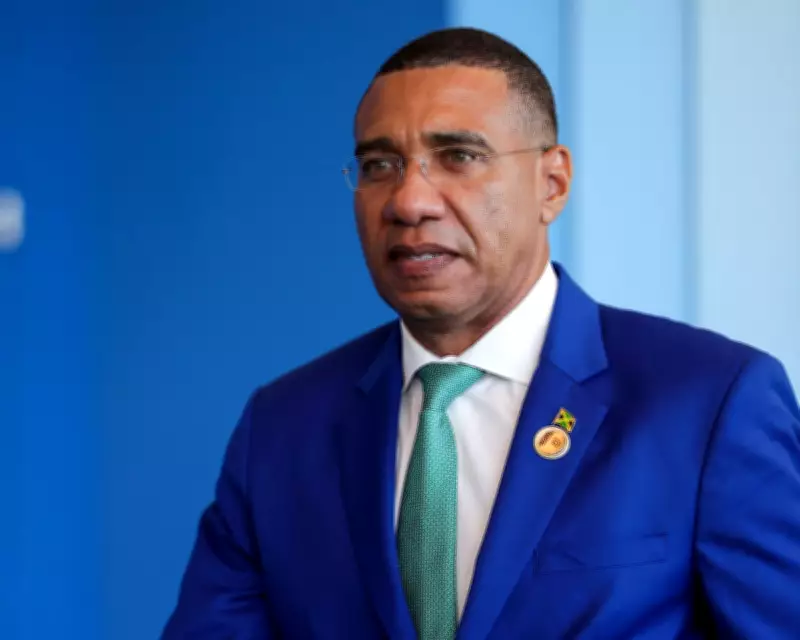
Jamaican Prime Minister Andrew Holness, serving as outgoing Caricom chair, delivered a stark warning about the potential regional fallout from Cuba's deepening crisis. "We must address the situation in Cuba with clarity and courage," Holness declared during the summit's opening ceremony. "Cuba is our Caribbean neighbor. Its doctors and teachers have served across our region."
The Jamaican leader emphasized his support for "constructive dialogue between Cuba and the US aimed at de-escalation, reform and stability," while highlighting the severe challenges facing ordinary Cubans. Holness described "severe economic hardship, energy shortages and growing humanitarian strain" that could have far-reaching consequences beyond Cuba's borders.
"It must be clear that a prolonged crisis in Cuba will not remain confined to Cuba," Holness cautioned. "It will affect migration, security and economic stability across the Caribbean basin."
Humanitarian Crisis Deepens Amid US Oil Embargo
The summit discussions occurred against a backdrop of worsening conditions in Cuba, where the US oil embargo is creating what officials describe as a humanitarian emergency. Francisco Pichón, Cuba's UN resident coordinator, revealed to Associated Press that the American energy blockade is preventing critical aid from reaching communities still recovering from Hurricane Melissa, which struck eastern Cuba as a category 3 storm in late October.
"The energy blockade and fuel shortages affect the entire logistics chain involved in being able to work in Cuba at this time, anywhere in the country," Pichón explained, detailing how the embargo hampers recovery efforts and basic service delivery.
Incoming Caricom chair Terrance Drew, Prime Minister of St Kitts and Nevis, shared personal testimony about Cuba's deteriorating conditions. "I studied in Cuba. I lived in Cuba for seven years," Drew recounted. "They reach out to me and tell me of their difficulties. Food has become terribly scarce for some. Access to water has been challenging. Garbage fills the streets. Houses are without electricity."
Drew proposed that Caricom should become "a conduit for constructive dialogue" to address the growing humanitarian emergency.
Deadly Military Strikes Add to Regional Tensions
The summit unfolded as US military operations in Caribbean waters continued to claim lives. Since early September, American strikes targeting suspected "narco-terrorist" boats have killed at least 151 people, many from Caribbean nations. The latest attack occurred on Monday, claiming three more lives in the Caribbean Sea.
Families of those killed have denounced the attacks, noting that the US has provided no evidence that the targeted vessels were actually transporting drugs. These military operations have intensified regional concerns about American interventionism, coming just over a month after US actions against Venezuela that included arresting former leader Nicolás Maduro on drug trafficking charges.
Broader Context of US Pressure on Caribbean Nations
The Caricom summit discussions reflect broader tensions as the United States attempts to implement what regional leaders describe as "tough policies" across the Caribbean. Over the past year, the Trump administration has pressured nations to reject Cuban medical missions, distance themselves from China, and consider hosting US military equipment.
These developments have prompted calls for the Caribbean to protect its "zone of peace" while navigating complex diplomatic relationships. US Secretary of State Marco Rubio was scheduled to meet with Caribbean leaders during the summit, representing the American perspective amid growing regional unease about Washington's approach to Caribbean affairs.
The summit has highlighted how Caribbean leaders are increasingly speaking with one voice about the need for diplomatic solutions rather than military and economic pressure, particularly regarding the Cuban situation that many see as having direct implications for regional stability and development.