
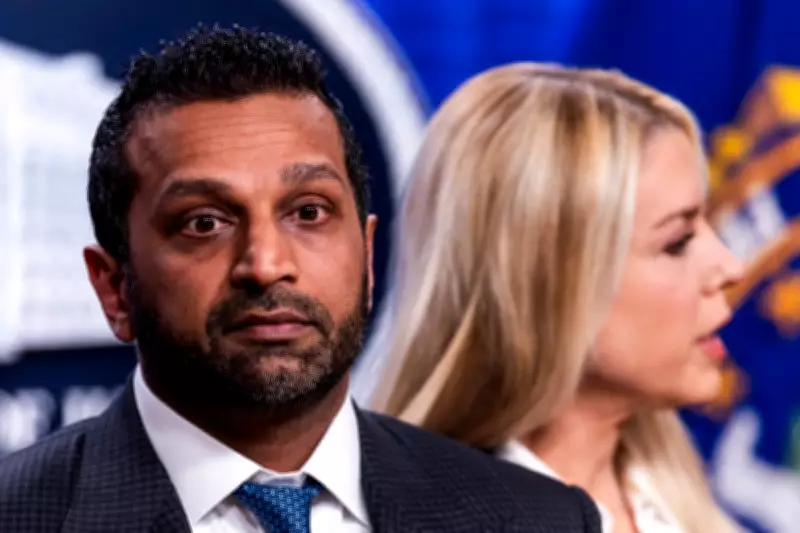
Kash Patel Testifies on FBI Whistleblower Claims and Political Bias
In a dramatic congressional hearing, Kash Patel, a former official in the Trump administration, has leveled serious accusations against the Federal Bureau of Investigation (FBI), alleging political bias and retaliation against whistleblowers. Patel's testimony has ignited a fierce debate over the impartiality of the agency, with claims that Democrats have interfered in its operations to target Republicans.
Allegations of Whistleblower Retaliation
Patel detailed instances where FBI employees who raised concerns about internal practices faced professional repercussions, including demotions and harassment. He argued that this creates a chilling effect, discouraging others from coming forward with critical information. "The FBI has become a weaponized tool against political opponents," Patel stated, emphasizing that whistleblowers are essential for accountability but are being silenced.
Claims of Democrat Interference
Further, Patel accused Democratic lawmakers of exerting undue influence over the FBI, directing investigations to benefit their party. He cited examples of cases where he believes the agency showed bias against conservative figures, suggesting a pattern of political manipulation. This interference undermines public trust in law enforcement, he warned, calling for reforms to ensure neutrality.
Congressional and Public Reaction
The hearing has drawn mixed reactions, with Republicans largely supporting Patel's claims and Democrats dismissing them as baseless political theater. Legal experts note that such allegations are not new but highlight ongoing tensions between law enforcement and political oversight. The debate raises questions about how to balance security with fairness in a polarized climate.
As the investigation continues, Patel's testimony adds fuel to longstanding concerns about the FBI's role in politics, potentially impacting future policy and public perception of the agency.




