Israeli Airstrikes Claim 12 Lives in Lebanon, Targeting Hezbollah and Refugee Camp
Israeli military strikes have resulted in the deaths of at least 12 individuals in Lebanon, according to statements from the Lebanese Health Ministry. The attacks, which occurred on Friday, February 20, 2026, represent some of the deadliest incidents reported in eastern Lebanon in recent weeks, heightening fears of a breakdown in the US-brokered ceasefire between Israel and Hezbollah.
Strikes Target Bekaa Valley and Palestinian Refugee Camp
The airstrikes focused on two primary locations: the Bekaa Valley and the Ain al-Hilweh Palestinian refugee camp near Sidon. In the Bekaa Valley, at least 10 people were killed, while the strike on the densely populated refugee camp claimed two more lives. Additionally, 24 individuals, including three children, sustained injuries in these attacks, underscoring the severe humanitarian impact.
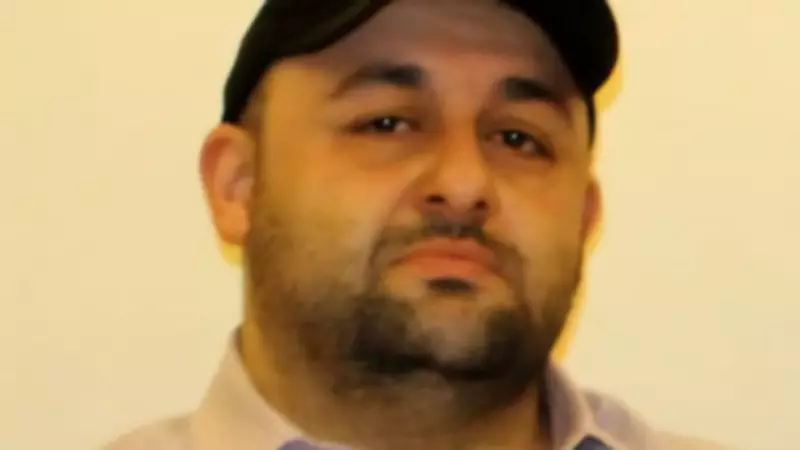
Hezbollah has confirmed that senior leader Hussein Yaghi was among those killed in the Bekaa Valley assaults. Yaghi, the son of former Hezbollah MP Mohamed Yaghi, is set to be buried on Saturday, as announced by Hezbollah media outlets. His death marks a significant blow to the organization's leadership structure.
Israeli Military Justifies Actions Amid Ceasefire Tensions
The Israel Defence Forces (IDF) defended the strikes in social media posts, asserting that they targeted Hezbollah command centers in the Baalbek area used to advance terror attacks against Israeli troops and civilians. The IDF claimed these centers stored weapons and funds, violating the understandings established between the two sides. In a separate statement, the IDF cited repeated ceasefire violations as the rationale for striking a Hamas command center in the Ain al-Hilweh area.
These incidents follow a series of Israeli airstrikes earlier in the week, which targeted Hezbollah weapon depots, missile launchers, and other military sites in southern Lebanon. The IDF has reported conducting over 1,200 raids and operations in the region since the ceasefire, resulting in the deaths of more than 400 Hezbollah operatives and allied group members.
Background of Conflict and Ceasefire Challenges
The current tensions stem from a conflict that began on October 8, 2023, when Hezbollah initiated attacks against Israel following Hamas's invasion of southern Israel. This escalation led to a ground invasion of southern Lebanon by the IDF in September 2024, aimed at enabling the safe return of approximately 60,000 displaced Israeli residents and significantly degrading Hezbollah's military capabilities.
A US-brokered ceasefire in November 2024 required both Israel and Hezbollah to withdraw from southern Lebanon, with Lebanese armed forces taking over. However, Israel has maintained five strategic posts along the border, and frequent airstrikes have continued as the Israeli military accuses Hezbollah of attempting to rebuild its capabilities in violation of the truce. The latest strikes risk rupturing this fragile agreement, with both sides exchanging accusations of violations that threaten regional stability.