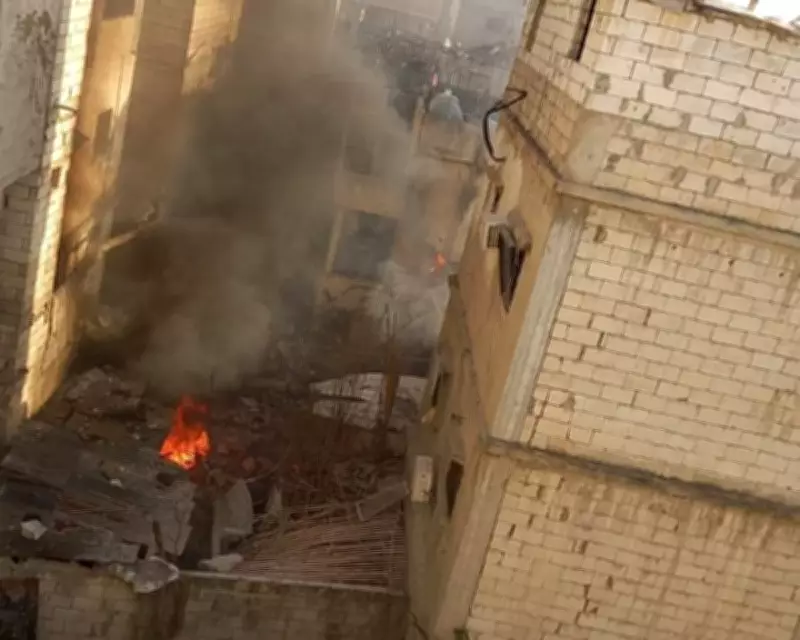
Israeli Strikes in Lebanon Leave 10 Dead and 24 Wounded, Including Children
Israeli military strikes in Lebanon have resulted in a significant casualty toll, with at least 10 people killed and 24 others wounded, according to the Lebanese health ministry. The attacks, which occurred on Friday, targeted locations in the eastern Bekaa valley and the port city of Sidon, marking a deadly escalation in the ongoing conflict between Israel and Hezbollah.
Senior Hezbollah Leader Killed in Bekaa Valley Attacks
Among those reported dead is Hussein Yaghi, a senior leader of the Lebanese militant group Hezbollah, as confirmed by two security sources to Reuters. Yaghi, the son of former Hezbollah MP Mohamed Yaghi, was killed in the strikes in the Bekaa valley. His funeral is scheduled for Saturday, according to Hezbollah media outlets.
Local television footage from the Bekaa valley showed emergency crews battling a fire and searching through the rubble of what appeared to be an apartment building targeted in the attack. The Israeli military stated that it hit "command centres" of Hezbollah in the region, but details on the specific nature of the targeted sites remain under investigation.
Strike on Palestinian Refugee Camp in Sidon
Earlier on Friday, another Israeli strike hit the Ain el-Hilweh Palestinian refugee camp in Sidon, killing two people. The Israeli military claimed it targeted a "Hamas command centre" within the camp. However, Hamas disputed this assertion, acknowledging the deaths of two of its members but calling the claim of a command centre strike a "flimsy pretext."
Hamas stated that the building belonged to a joint security force composed of various Palestinian factions responsible for maintaining security in the camp. This incident highlights the complex dynamics within Lebanese territories, where multiple militant groups operate.
Background of the Israel-Hezbollah Conflict
The conflict between Israel and Hezbollah intensified after October 7, 2023, when Hezbollah began firing rockets from Lebanon into Israel in support of Hamas and the Palestinians. Israel responded with airstrikes and shelling, leading to a full-scale war in September 2024. A US-brokered ceasefire two months later reined in the hostilities but did not fully stop them.
Since the ceasefire, Israel has accused Hezbollah of attempting to rebuild its capabilities and has conducted near-daily strikes in Lebanon, targeting what it describes as Hezbollah militants and facilities. Hezbollah has claimed only one strike against Israel since the ceasefire, making Friday's high death toll an unusual and concerning development.
Regional Tensions and Broader Implications
The strikes come at a time of heightened tensions in the Middle East, with the United States threatening to strike Iran—a key backer of both Hezbollah and Hamas—if negotiations over Tehran's nuclear programme fail to produce an agreement. During last year's Israel-Iran war, Hezbollah largely remained on the sidelines, but many in Lebanon fear the country could be drawn into another conflict should hostilities escalate further.
The death toll from Friday's attacks underscores the fragile state of the region and the potential for rapid escalation. As emergency crews continue to search for survivors and assess the damage, the international community watches closely, concerned about the broader implications for stability in Lebanon and the Middle East.