Israel Issues Dire Travel Warning to Iranian Citizens Amid Escalating Tensions
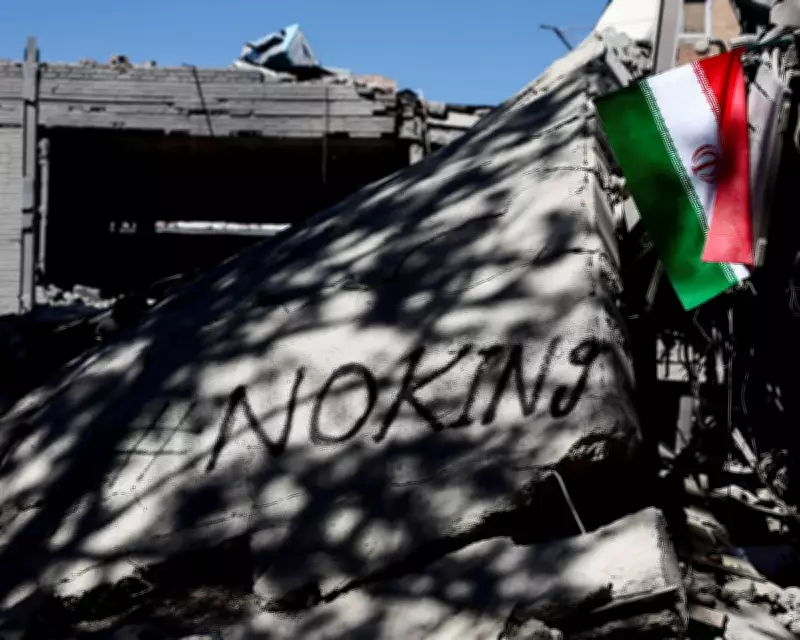
In a dramatic escalation of regional tensions, Israel's military has issued a direct warning to the Iranian public, urging them to avoid railway travel throughout Iran on Tuesday. The warning, posted in Farsi on social media platforms, stated that from 8:50 AM Iran time until 9:00 PM, citizens should refrain from train travel "for the sake of their own security." This unprecedented move comes as the United States president threatens massive bombing campaigns against Iranian civilian infrastructure.
Trump's Ultimatum and Infrastructure Threats
President Donald Trump has set a firm deadline of Tuesday 8:00 PM Eastern Time for Iran to agree to a deal with Washington or face devastating consequences. The president specifically threatened to bomb Iran's power plants and bridges unless the country reopens the strategic Strait of Hormuz. Trump had previously declared his intention to "hit each and every one of their electric generating plants very hard and probably simultaneously," raising serious concerns among international legal experts.
Legal authorities have warned that such attacks on vital infrastructure serving Iran's 93 million citizens would constitute clear war crimes. The president's threats place US military officers in an impossible position: either disobey direct orders or participate in potential war crimes against civilian targets.
Negotiations Stalled as Oil Prices Soar
Peace negotiations appear to be faltering despite international pressure. Iran has submitted its own comprehensive 10-point peace plan, emphasizing that it seeks a permanent end to hostilities rather than a temporary ceasefire. Meanwhile, global oil markets have reacted strongly to the escalating conflict, with prices trading above $110 per barrel on Tuesday as concerns mount about Middle Eastern supply disruptions.
Journalist Threats and Missing Airman Controversy
In a separate development, President Trump has threatened to jail journalists who reported on a second missing US airman following Friday's incident involving Iranian forces. The president told reporters on Monday that his administration was aggressively pursuing the source of the leak, arguing that revealing such information endangered military personnel. This follows a pattern of media targeting by the administration, including recent FBI raids on journalists' homes and ongoing legal battles over press freedom.
Environmental and Health Concerns Emerge
The conflict has exposed broader environmental issues, particularly regarding toxic waste management between the US and Mexico. Government records reveal that the United States ships hundreds of thousands of tons of hazardous waste to Mexico annually, including lead-acid car batteries. United Nations expert Marcos Orellana has criticized this practice, stating that "US overconsumption and economic activity are using Mexico as a garbage sink," with serious health implications for border communities.
Global Energy Market Impacts
The Iran conflict is dramatically reshaping global energy markets, with petrostates reaping substantial benefits from soaring oil prices. The US oil and gas sector is projected to gain a $60 billion windfall from the conflict, while Russia's economy receives a crucial lifeline through increased commodity revenues. This financial boost enables further investment in hydrocarbon extraction, potentially undermining global climate initiatives even as the world faces increasing energy insecurity.
As the Tuesday deadline approaches, international observers remain deeply concerned about potential escalation. The situation represents one of the most serious confrontations in recent Middle Eastern history, with implications extending far beyond regional borders to affect global energy markets, international law, and civilian safety across Iran.