Iran Issues Stark Warning to US Over Potential Ground Assault
Iran has issued a stark warning to the United States, accusing Washington of secretly plotting a ground attack while publicly pursuing diplomatic talks. This accusation comes as the devastating conflict in the Middle East, which began on February 28th, enters its second month with escalating violence and no clear path to peace.
In a message marking 30 days of warfare, Iranian Parliament Speaker Mohammad Bagher Ghalibaf declared, "The enemy signals negotiation in public, while in secret it plots a ground attack." He emphasized Iran's readiness, stating, "Our firing continues. Our missiles are in place. Our determination and faith have increased." Ghalibaf warned that Iranian forces were prepared to confront American troops on the ground.
Trump's Comments Fuel Tensions
Former US President Donald Trump's recent remarks have done little to ease tensions. In an interview with the Financial Times, Trump stated his preference to "take the oil" from Iran, specifically mentioning the crucial Kharg Island export hub, which he claimed could be taken "very easily." Despite these threats, Trump also noted that indirect talks between the US and Iran, facilitated by Pakistani emissaries, were progressing.
When questioned about a potential ceasefire that could reopen the vital Strait of Hormuz, Trump remained vague, citing ongoing military targets. "We've got about 3,000 targets left – we've bombed 13,000 targets – and another couple of thousand targets to go. A deal could be made fairly quickly," he said.
Regional Escalation and Diplomatic Efforts
The conflict has seen dangerous new developments over the weekend. Yemen's Iran-backed Houthi rebels entered the war for the first time, launching missiles toward Israel. This move threatens global shipping routes, particularly the Bab el-Mandeb strait, through which approximately 12% of the world's oil trade passes.
Simultaneously, Israeli Prime Minister Benjamin Netanyahu announced an expansion of Israel's invasion into southern Lebanon, targeting the Iranian-backed Hezbollah militant group. Netanyahu stated this action was intended to "definitively neutralise the threat of invasion" and protect border areas.
Amidst the violence, diplomatic efforts continue. Pakistan hosted a four-way meeting with Saudi Arabia, Turkey, and Egypt on Sunday, following discussions between Pakistani Prime Minister Shehbaz Sharif and Iranian President Masoud Pezeshkian. Pakistan's Foreign Minister Ishaq Dar announced that Pakistan would soon facilitate direct talks between the US and Iran, though neither Washington nor Tehran has confirmed this.
Military Planning and Casualties
US military planning indicates preparations for potential ground operations in Iran. According to reports from the Washington Post, the Pentagon is preparing for weeks of ground activities, with thousands of American soldiers and marines arriving in the Middle East. These operations would likely involve raids by special operations forces rather than a full-scale invasion, but would still expose troops to significant risks from Iranian drones, missiles, and explosives.
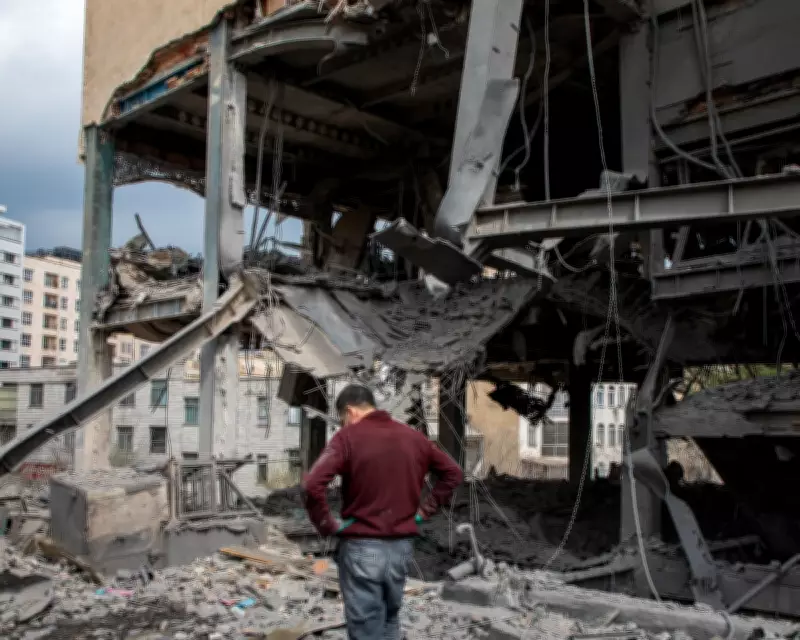
The conflict has resulted in substantial casualties and infrastructure damage. In Iran, a strike on a pier in Bandar-e-Khamir killed five people and destroyed two vessels. In Tehran, a building housing Qatar's Al Araby TV was hit, causing power outages. In Lebanon, a UN peacekeeper was killed and another critically injured by a projectile, with the origin still under investigation. Israeli strikes have targeted Iranian weapons manufacturing infrastructure, while an Iranian missile sparked a fire in an Israeli industrial zone, raising concerns about hazardous materials.
As the war continues with no sign of de-escalation, the international community watches anxiously. The entry of the Houthis into the conflict and the potential for Saudi Arabia to become directly involved if its oil exports are threatened further complicate an already volatile situation. With diplomatic channels strained and military actions intensifying, the path to peace remains uncertain in a region grappling with profound humanitarian and economic consequences.