
Iran Readies Nuclear Counterproposal Amid Escalating US Military Threats
Iran's foreign minister, Abbas Araqchi, has announced that a draft counterproposal regarding nuclear negotiations could be prepared for internal review within the coming days. This development comes as former US President Donald Trump revealed he is considering limited military strikes against Iran, significantly heightening tensions in the Middle East region.
Advanced Military Planning and Diplomatic Deadlines
Two senior US officials confirmed to Reuters that American military planning concerning Iran has reached an advanced operational stage. The contingency options reportedly include targeted strikes against specific individuals and even pursuing leadership change in Tehran, should such orders be issued by the commander-in-chief.
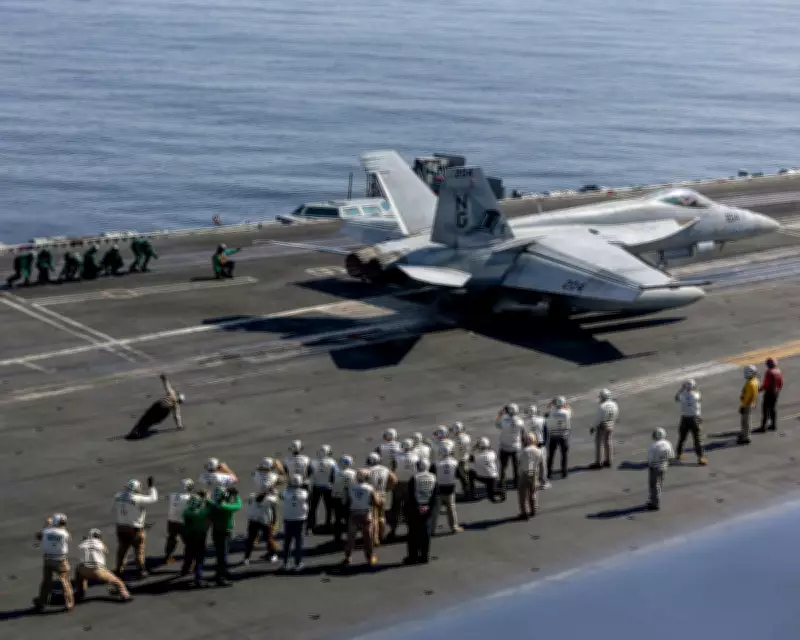
President Trump issued a stark ultimatum to Tehran, giving them a ten to fifteen day deadline to negotiate a deal resolving the longstanding nuclear dispute. He warned that failure to comply would result in "really bad things" for the Iranian regime. This threat coincides with a substantial US military buildup in the Middle East, which has intensified fears of a broader regional conflict.
Trump's Statements on Military Action and Iranian Unrest
When questioned by reporters at the White House about whether he was contemplating limited strikes to pressure Iran into a nuclear agreement, Trump responded, "I guess I can say I am considering it." He later emphasized, "They better negotiate a fair deal." The president also made controversial claims about the Iranian government's crackdown on domestic protests, asserting that "32,000 people were killed over a relatively short period of time," figures that remain unverified by independent sources.
Trump further stated that his threats of military action had deterred Iranian leadership from executing mass hangings, claiming, "They were going to hang 837 people. And I gave them the word, if you hang one person, even one person, that you're going to be hit right then and there." In contrast, the US-based human rights monitoring group Hrana has documented 7,114 verified deaths with another 11,700 cases under review.
Diplomatic Progress and Nuclear Principles
Following indirect discussions in Geneva with Trump's special envoy Steve Witkoff and senior advisor Jared Kushner, Foreign Minister Araqchi indicated that both sides had reached a mutual understanding on key "guiding principles." However, he cautioned that this did not signify an imminent final agreement. Araqchi noted that more talks between US and Iranian officials could potentially resume within approximately one week.
During an interview with cable news network MS Now, Araqchi clarified that the current negotiations are not focused on Iran achieving zero uranium enrichment, nor has Iran offered to suspend enrichment activities. Instead, discussions center on ensuring that "Iran's nuclear program, including enrichment, is peaceful and would remain peaceful forever." He mentioned that technical and political confidence-building measures would be implemented to guarantee the peaceful nature of the program in exchange for sanctions relief, though he provided no specific details.
Contradictory Claims and International Concern
Hours after Trump's statements regarding protest death tolls, Araqchi countered that the Iranian government had already published a comprehensive list documenting 3,117 fatalities during the unrest. He challenged critics on social media platform X, stating, "If anyone doubts the accuracy of our data, please speak with evidence."
The United Nations has expressed growing apprehension about the escalating rhetoric and increased military activities in the region. UN spokesperson Stephane Dujarric reiterated concerns about the volatile situation, emphasizing the need for diplomatic resolution. A White House official, when asked about Araqchi's comments, reaffirmed the administration's position that "Iran cannot have nuclear weapons or the capacity to build them, and that they cannot enrich uranium."
Despite the military posturing, Araqchi maintained that a diplomatic agreement remains achievable "in a very short period of time," though he acknowledged that military action would undoubtedly complicate negotiation efforts. The coming days will prove critical as Iran prepares its formal counterproposal amid mounting pressure from US military threats and diplomatic deadlines.




