Iranian Doctors Speak Out on Regime's Brutal Hospital Crackdown
Painting an accurate picture of the Iranian regime's violent suppression of nationwide protests remains a significant challenge due to ongoing internet restrictions and communications blackouts. Sky News has conducted exclusive interviews with medical professionals who have bravely come forward to share detailed accounts of alleged brutality unleashed by authorities. These revelations shed light on the severe human rights abuses occurring within the country's healthcare facilities.
The Climate of Fear and Concealment
In Iran, a pervasive climate of fear has been reinstated after the clerical leadership successfully quashed a widespread revolt. Despite this, their relentless efforts to maintain power are matched by a determined campaign to obscure the true extent of the crackdown. Although the communications blackout that began on 8 January has partially eased, allowing for sporadic internet access, it remains exceedingly difficult to establish contact with individuals inside Iran. Those who do speak out must muster immense courage and navigate practical obstacles to share their stories.
An Activist Doctor's Harrowing Testimony
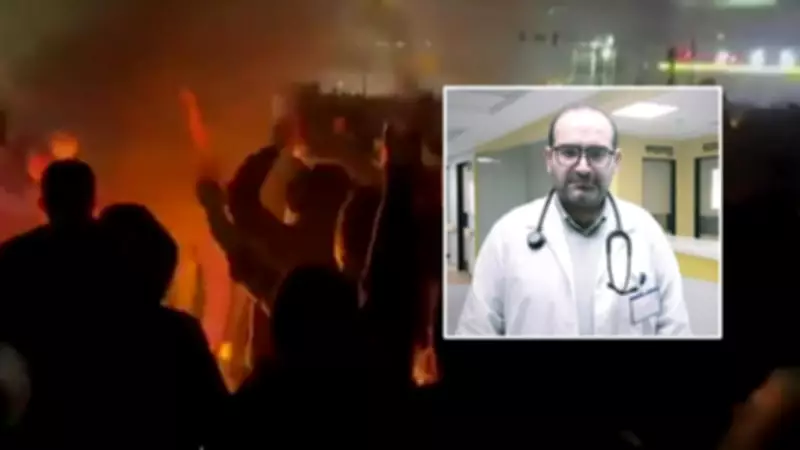
Dr Yaser Rahmani-Rad, a specialist in internal medicine at a public hospital in Tehran, has emerged as a vocal critic of the regime's actions. He described to Sky News the disturbing scenes he witnessed as security forces launched their crackdown in the capital. "Pressure was being put on nurses and doctors to clear out the emergency department," he explained. "In other words, any patient who was there - whether they had clear medical indications or not - was told to be discharged. They wanted the emergency ward emptied for security forces who had been injured."
This account aligns with verified reports of Iranian security forces forcibly entering clinics and hospitals. Online footage from Imam Khomeini Hospital in western Iran shows staff members attempting to block their entry at the front entrance. Dr Rahmani-Rad further relayed chilling details from colleagues coping with the aftermath of the state's violent response. "In some cases patients were removed from ventilators and other medical equipment," he stated. "They said: 'Let them die. They have no rights. They are against the Islamic system, and they deserve to die.'"
Medical workers also informed Dr Rahmani-Rad that security officials targeted protesters with weapons inside medical facilities. "Some had been wounded by shotguns and were later killed in the hospital with live ammunition," he reported. "Protesters who had been shot with live bullets were again killed inside the hospital with live ammunition." As a result, Dr Rahmani-Rad asserts that security forces now effectively control hospitals, using surveillance cameras to track and detain injured protesters.
Targeting of Medical Professionals
Reports have circulated online detailing the targeting of doctors and medical professionals who treat protesters. Human rights organisations have verified at least six cases of medical personnel being arrested or detained for providing care. Among those confirmed by Dr Rahmani-Rad are Dr Ameneh Soleimani, Dr Babak Pouramin, and Dr Farhad Nadali.
One notable case is Dr Alireza Golchini, who publicly announced on Instagram in early January that he would offer treatment to protesters. In recent days, human rights groups report that security forces raided his home, assaulted him, and took him into custody. Dr Golchini now faces execution charges for "Moharrebeh," or waging war against god, according to the organisation Hengaw.
Disputed Death Toll Figures
The Iranian authorities violently suppressed protests and enforced an internet blackout from 8 to 27 January, obscuring the true impact of the crackdown and complicating efforts to gather verified data on casualties. The Islamic Republic claims 3,117 people have been killed, asserting that most were security forces and civilians, not protesters. However, human rights agencies warn the actual numbers are significantly higher.
The Human Rights Activists News Agency has independently verified 6,301 deaths, with an additional 17,091 cases under review, potentially bringing the total to over 23,000. Medical professionals dispute the official figures, with Dr Rahmani-Rad and his network estimating between 20,000 and 30,000 fatalities, possibly more. Dr Amir-Mobarez Parasta, an eye surgeon based in Germany, claims at least 25,654 deaths have been recorded in hospitals and clinics across Iran up to 23 January, with nearly a third occurring in Tehran alone. Sky News has not independently verified these clinical reports and received no response from the Iranian embassy when approached for confirmation.
Dilemma for Injured Protesters
Injured protesters face a terrible dilemma: seeking treatment at Iranian clinics or hospitals risks arrest and detention by authorities. Consequently, some are turning to overseas doctors for remote care. Dr Panteha Rezaeian, a cardiovascular expert in California, has received numerous calls from protest participants or their families. "They already had been shot," she said. "They couldn't go to any hospital because they are afraid of getting killed or arrested. So what's happened? They are inside the house. They have infections, some of them are still bleeding. Some have been shot inside the belly."
Dr Rezaeian described a recent case involving a young boy shot at close range in both knees, leaving him unable to walk again. She emphasised that this remote healthcare is an extreme measure, as many injured individuals avoid hospitals, putting them at risk of death within days or weeks due to lack of urgent medical attention. Sky News presented these findings to Iranian officials but received no response.