
Iran Reimposes Control Over Strait of Hormuz Amid US Ceasefire Dispute
Iran has once again taken control of the critical Strait of Hormuz, accusing the United States of violating the ceasefire agreement that had temporarily reopened the vital waterway. This dramatic move has plunged the global energy crisis back into turmoil, with immediate repercussions for oil markets and international relations.
Military Announces Return to "Previous State" of Control
According to reports from Iranian state media on Saturday, the country's joint military command declared that control of the Strait of Hormuz has returned to its "previous state" under the strict management and armed supervision of Iranian forces. The military statement emphasized that the strategic waterway is now subject to comprehensive military oversight, effectively closing it to unrestricted international navigation.
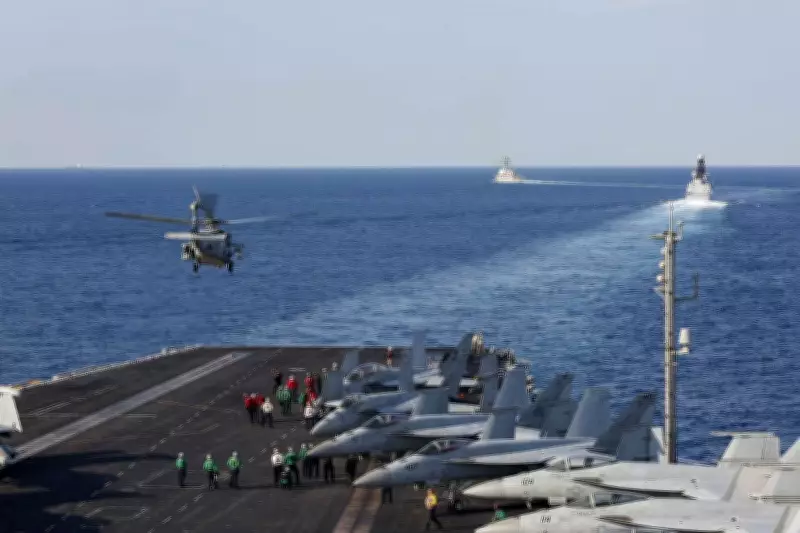
Tehran has leveled serious accusations against the United States, characterizing American actions as "piracy" and describing the US naval blockade as "maritime robbery." Iranian officials had previously warned that they would shut down the strait if the US Navy blockade persisted, a threat they have now carried out following what they perceive as Washington's failure to honor the ceasefire terms.
Trump's Statements and Nuclear Negotiations
The Iranian announcement came directly after former President Donald Trump stated that the US blockade would "remain in full force" until a comprehensive agreement was reached with Iran, particularly regarding its nuclear energy program. Trump had recently claimed that a deal with Tehran could be finalized within days and that Iran had agreed to suspend its nuclear activities.
In an interview with Bloomberg, Trump asserted that any suspension of Iran's nuclear program would be "unlimited" and would not expire. "Most of the main points are finalized," he stated. "It'll go pretty quickly." However, Trump also denied that the United States would release any frozen Iranian funds, which has been a key demand from Tehran throughout negotiations.
Prior to Iran's decision to retake control of the strait, Trump confirmed that negotiations would continue "over the weekend," expressing optimism about reaching an agreement. "I just think it's something that should happen," he remarked. "It's something that only makes sense to happen. And I think it will. We'll see what happens."
Threat of Renewed Strikes and Market Reactions
Despite the ongoing negotiations, Trump floated the possibility of resuming military strikes against Iran once the current ceasefire expires next week. "Maybe I won't extend it," he warned, "so you have a blockade, and unfortunately we have to start dropping bombs again."
The escalating tensions triggered significant market reactions on Friday. Oil prices plunged as fragile hopes for conflict resolution evaporated, with Brent crude dropping over nine percent to $90.3 per barrel. Energy stocks followed suit, with BP falling seven percent and Shell tumbling 5.2 percent.
In contrast, travel stocks experienced a surge amid expectations of reduced fuel costs, with Easyjet rising 8.1 percent to 401.9p and Wizz Air rocketing 10.1 percent. The divergent market movements underscore the complex economic implications of the geopolitical standoff in one of the world's most crucial shipping lanes.
The Strait of Hormuz remains a critical chokepoint for global oil transportation, with approximately one-fifth of the world's petroleum passing through its narrow waters. Iran's decision to reassert control threatens to disrupt energy supplies worldwide and could potentially trigger broader economic consequences if the situation escalates further.




