
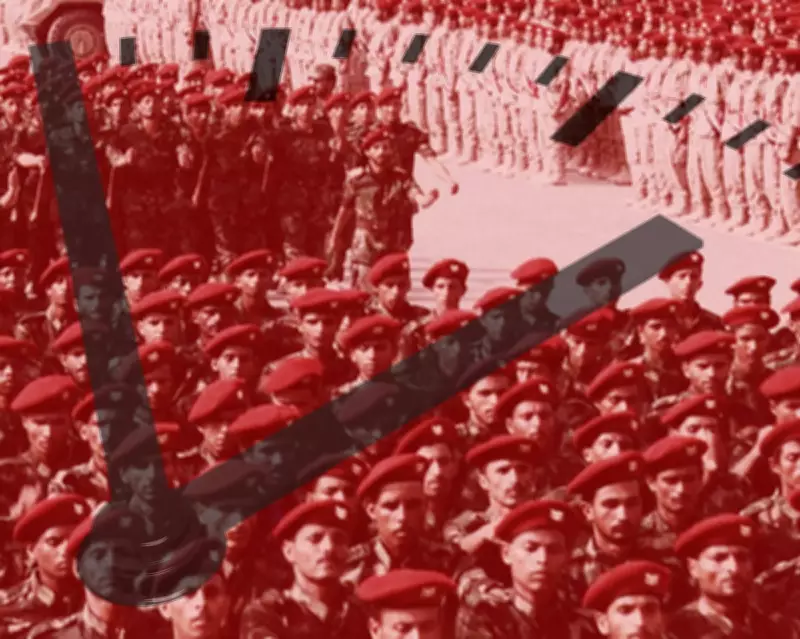
The Houthis: Yemen's Powerful Militant Force
The Houthis are an Iran-backed militant group based in Yemen, with an estimated 20,000 fighters. Emerging from years of civil conflict, they have become Yemen's most dominant political and military entity, leveraging their strategic position near the Red Sea to significantly impact international trade routes.
Origins and Rise to Power
Representing the Zaidi branch of Shia Islam, the Houthis gained widespread support in the early 2000s among Shia Yemenis disillusioned by corruption and authoritarian governance. Their ascent culminated in 2014 with the capture of the Yemeni capital, Sana'a, followed by the overthrow of Western-backed President Abd-Rabbu Mansour Hadi in 2015.
Hadi's forced exile prompted a military intervention by Saudi Arabia and the United Arab Emirates, supported by Western allies, aiming to dislodge the Houthis. This conflict escalated into a devastating civil war, resulting in approximately 377,000 deaths and displacing 4 million people by the end of 2021. A United Nations-brokered truce in 2022 has largely maintained a fragile peace in Yemen.
Global Trade Disruption and Regional Alliances
As part of Iran's "axis of resistance," the Houthis initiated attacks on international shipping in the Red Sea following Hamas's October 7, 2023, assault on Israel, which triggered Israel's military campaign in Gaza. These operations in a critical global trade corridor caused widespread chaos to supply chains worldwide.
The Houthis suspended their Red Sea campaign after a US-mediated ceasefire between Israel and Hamas in October 2025. While the United States asserts that Iran has provided arms, funding, and training to the Houthis, the group denies being an Iranian proxy, though they acknowledge shared political affinities.
Recent Actions and Ongoing Tensions
Initially quiet during the early stages of the US-Israel conflict with Iran, the Houthis resumed hostilities on March 28, firing missiles at Israel and pledging to continue military operations until Israel halts its attacks and aggression. This move underscores their ongoing role in regional geopolitics and their capacity to influence international stability.
The Houthis' ability to disrupt global trade, coupled with their complex alliances and internal dynamics, positions them as a pivotal force in the Middle East, with implications for security, economics, and diplomatic relations across the region and beyond.




