
Cartel Infiltration in Ukraine's International Legion
Foreign nationals serving on Ukraine's frontlines are reportedly acquiring drone warfare tactics that they subsequently bring back to their home countries, where these skills are being utilized by powerful criminal cartels. This alarming development has captured international attention following the high-profile murder of notorious drug lord El Mencho in Mexico.
Military-Grade Weapons and Drone Warfare
Images emerging from Mexico after El Mencho's death revealed cartel members equipped with sophisticated weaponry including semi-automatic rifles, tactical gear, and even tanks. Beyond these conventional arms obtained through illegal weapons trading, criminal organizations are now venturing into advanced drone warfare techniques.
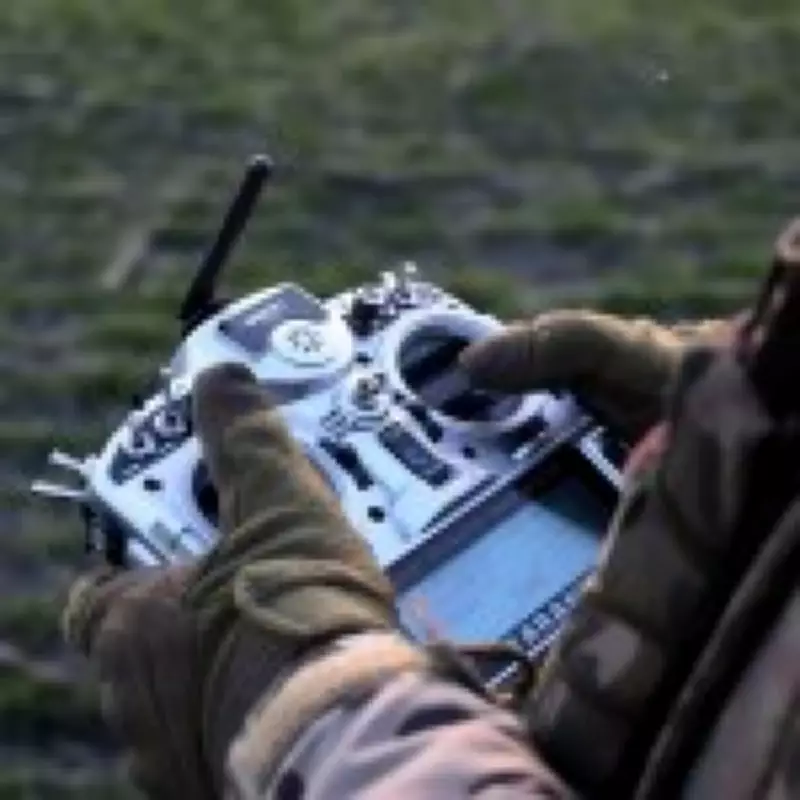
Several cartels have already begun employing drones to conduct surveillance and launch attacks against rival compounds, with documented instances of grenades being dropped from drones onto competing drug strongholds. To gain a strategic advantage, some criminal networks are deliberately sending members to infiltrate Ukraine's International Legion, where they can acquire firsthand experience with cutting-edge drone technology.
Frontline Connections and Recruitment Patterns
Ukraine-American journalist David Kirichenko first uncovered connections between Mexican cartels and the Ukrainian conflict while reporting from the frontlines. "I spent time with soldiers there and maintain contact with many of them to this day," Kirichenko explained to Metro.
The motivations for soldiers from Mexico and Colombia traveling over 6,000 miles to Ukraine vary significantly. "Some were quite candid about coming to Ukraine for the money," David revealed. "Others said it was a mixture of the mission and the difficulty of being a retired soldier who wanted to continue that line of work."
However, Kirichenko noted a particularly concerning pattern: "Some of those soldiers mentioned that upon returning to their countries, there was significant interest from various cartels looking to utilise their skill sets in modern warfare."
Vetting Challenges and Security Concerns
While the Ukrainian International Legion maintains rigorous vetting processes for foreign nationals seeking to join frontline forces, these procedures face significant limitations. Kirichenko believes many individuals with cartel connections gain approval by concealing their future intentions rather than their past affiliations.
"There is likely a small fraction of people with sketchy backgrounds," he explained. "If you think about the logistics of moving from Latin America to Ukraine, there is only so much vetting you can do. Criminal organisations can forge identities and documents or bribe officials to provide clean records."
Ukrainian domestic security agencies are actively working to prevent potential criminals from joining the fight against Russia solely for military training purposes. However, as Kirichenko warns: "It only takes one talented, experienced drone operator to go back and teach many others."
Drone Technology in Criminal Operations
The adoption of drone technology by Latin American cartels represents a significant evolution in criminal tactics. Drones provide cartels with enhanced capabilities for intelligence gathering on rivals, government officials, and local populations, thereby improving operational security.
In their ongoing struggle to dominate the drug trade, cartels are increasingly turning to modern weaponry including drones and improvised explosive devices (IEDs). The Global Initiative Against Transnational Organised Crime highlights the multifaceted applications of drone technology for criminal enterprises.
"In the air, drones offer a natural fit for smuggling low-weight, high-profit commodities such as drugs and tobacco," the organization notes. "Land drones provide larger payloads and could also be repurposed as offensive tools if weaponised, as has already been observed in Ukraine. Sea drones, while expensive, can carry heavy payloads over long distances, making them potentially attractive for drug traffickers moving shipments regionally or for arms traffickers transporting bulk consignments discreetly."
Global Security Implications
The potential transfer of drone warfare expertise from the Ukrainian conflict to criminal organizations represents a serious global security concern. Even a single highly-trained drone operator returning to their home country after serving in Ukraine could initiate a dangerous proliferation of advanced military tactics within cartel networks.
This development threatens to open what security experts describe as a "Pandora's Box" of future weaponry in the already violent cartel wars, potentially escalating conflicts and complicating law enforcement efforts across multiple continents.




