
Belgian Special Forces Seize Russian 'Shadow Fleet' Tanker in North Sea Operation
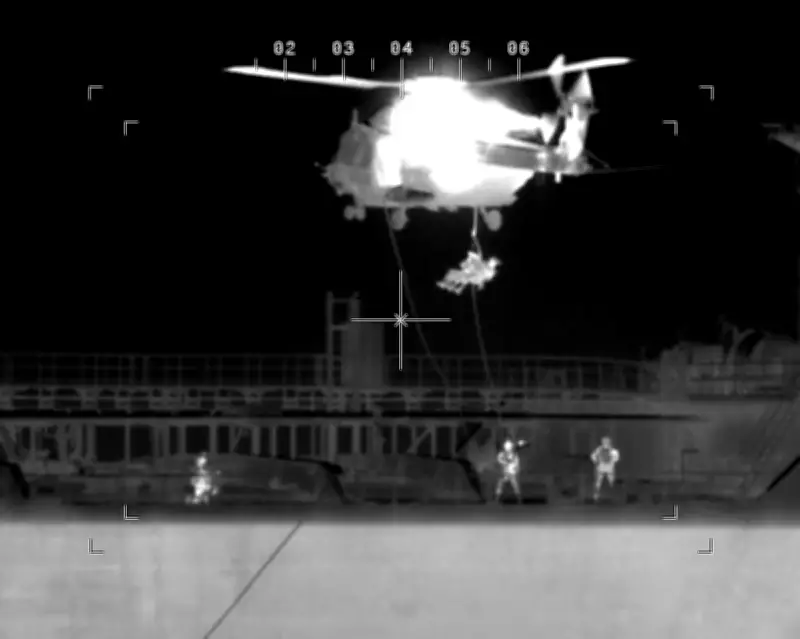
Belgian special forces, assisted by French helicopters, have executed a clandestine operation to seize an oil tanker believed to be part of Russia's so-called "shadow fleet" used to circumvent western sanctions over the war in Ukraine. The vessel, identified as the Ethera, was boarded in the North Sea on Saturday night and escorted to Zeebrugge harbour for official confiscation.
Covert Operation and False Documentation
Belgium's defence minister, Theo Francken, confirmed the operation on Sunday, revealing that the tanker was sailing under the false flag of Guinea and was intercepted in Belgium's exclusive economic zone while allegedly en route to Russia. The federal prosecutor's office stated that the ship's captain, a Russian citizen, is being questioned, and a criminal investigation is underway due to suspicions that the vessel's documents are forged.
This seizure marks a significant escalation in Europe's stance against Russia's shadow fleet, which has been under increased surveillance by western naval forces since the beginning of the year. Countries including the US, UK, France, and Germany have heightened their readiness to board such vessels at gunpoint using helicopters.
International Reactions and Sanctions Evasion
Ukrainian President Volodymyr Zelenskyy praised Belgium for its "strong action against Moscow's floating purse" and thanked France for supporting the operation. He noted that the Ethera had long been under US, EU, and UK sanctions but continued to illegally transport Russian oil using deceptive practices.
Belgian Prime Minister Bart De Wever congratulated the military on the successful operation, emphasizing Belgium's commitment to upholding international maritime law and the security of its territorial waters. However, De Wever has previously blocked EU efforts to use frozen Russian assets to fund Ukraine, citing concerns over potential legal challenges from Moscow.
Scale and Risks of the Shadow Fleet
France estimates that Russia's shadow fleet comprises between 1,000 and 1,200 ships, with over half now subject to sanctions. The remaining vessels evade detection through shell companies and reflagging tactics. These often dilapidated tankers, which are typically uninsured or under-insured, sail under flags from countries like Panama, the Gambia, Barbados, or the Comoros, transporting Russian crude oil to destinations such as China and India. Once processed, the oil is sold on international markets, no longer identified as Russian, thereby bypassing sanctions imposed after Russia's invasion of Ukraine.
French President Emmanuel Macron described the seizure as a "serious blow" to Russia's shadow fleet, highlighting the role of French Navy helicopters in the operation. He shared footage on social media showing Belgian forces rappelling from aircraft onto the ship's deck.
Broader Threats and Environmental Concerns
Beyond sanctions evasion, Russia's shadow fleet poses additional threats. It has been implicated in deliberate vandalism of western underwater infrastructure, including electricity and data cables and gas pipelines. For instance, the tanker Eagle S, flagged under the Cook Islands, is alleged to have severed several underwater cables connecting Finland to Estonia and Germany in December 2024 by dragging its anchor along the sea bed.
The EU has also warned that these ships could serve as platforms for drone launches, radar jamming, and espionage activities. Due to their poor condition and inability to undergo repairs because of sanction restrictions, the fleet represents a growing danger to the environment and other maritime traffic, raising concerns about potential accidents and pollution.
Russia has previously condemned such seizures as acts of piracy, but western nations continue to intensify their efforts to disrupt the shadow fleet's operations, signaling a hardened approach in the ongoing geopolitical conflict.




