Australia's National Security Debate Sparks Rising Anxiety and Patriotism
A significant surge in anxiety is currently gripping Australia, as intense debates over national security and patriotism dominate the political landscape. This heightened sense of unease reflects broader concerns about the country's safety and identity in an increasingly complex global environment.
The Roots of Rising Anxiety
The anxiety stems from a combination of factors, including evolving security threats, political polarization, and public uncertainty about government policies. Australians are expressing growing apprehension about issues such as cyber threats, regional tensions, and domestic stability, which are fueling a national conversation on how best to protect the nation.
This emotional response is not merely a passive reaction but is actively shaping public discourse, with many citizens calling for stronger security measures and clearer leadership. The debate has become particularly charged, as it intersects with questions of national pride and loyalty, making it a pivotal issue in contemporary Australian society.
Patriotism in the Security Debate
Patriotism has emerged as a central theme in this security-focused dialogue, with various groups using it to advocate for different approaches to national defense. Some view increased patriotism as a unifying force that can bolster resilience against external threats, while others caution that it might lead to exclusionary policies or undermine civil liberties.
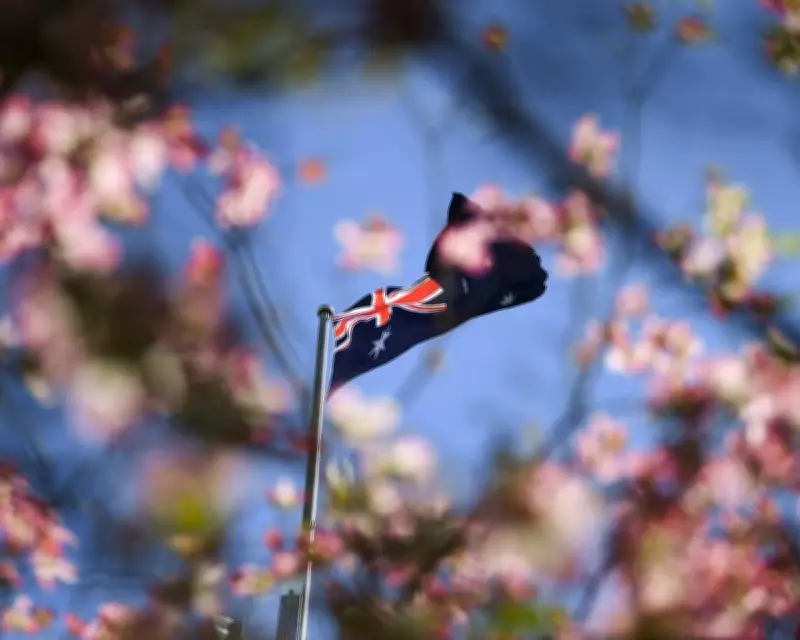
The discussion often highlights how expressions of patriotism, such as flag-waving or public displays of support for the military, are becoming more prevalent in response to security anxieties. This trend is influencing political rhetoric, with leaders on all sides invoking patriotic sentiments to garner support for their security agendas.
Political and Social Implications
The intertwining of anxiety and patriotism in Australia's security debate has profound implications for the country's political and social fabric. It is driving policy discussions on issues like defense spending, immigration controls, and international alliances, with potential long-term effects on Australia's global standing and internal cohesion.
Moreover, this dynamic is affecting community relations, as debates over security can sometimes exacerbate divisions or foster a sense of solidarity among citizens. Experts note that managing this anxiety constructively, without succumbing to fear-mongering, is crucial for maintaining a healthy democratic process and social harmony.
In summary, Australia is experiencing a notable rise in anxiety linked to national security concerns, which is fueling a robust debate on patriotism and policy. This situation underscores the challenges of balancing safety with freedom in a rapidly changing world, making it a critical issue for Australians to navigate in the coming years.