
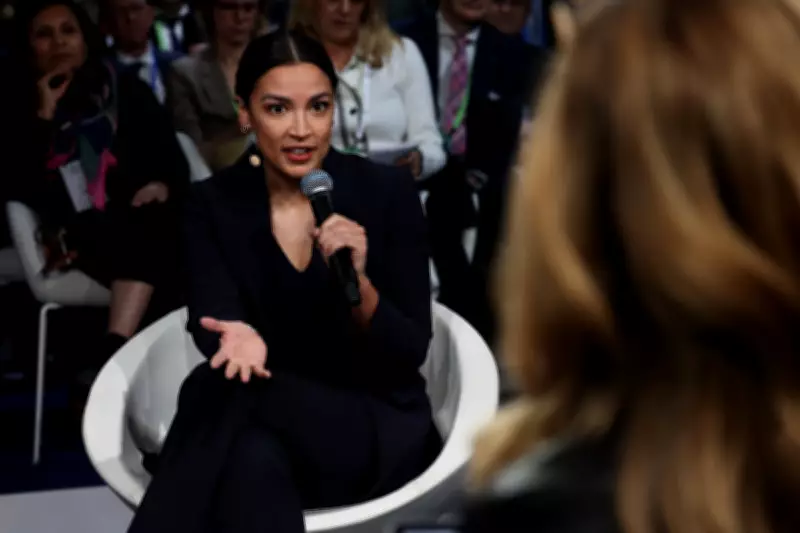
AOC Sparks Debate Over US Military Aid to Israel
Representative Alexandria Ocasio-Cortez, a prominent progressive voice in Congress, has ignited a significant political discussion by publicly challenging the United States' ongoing military assistance to Israel. In a recent congressional session, she raised pointed questions about the ethical and strategic implications of this aid, particularly in light of ongoing conflicts and human rights considerations.
Human Rights Concerns at the Forefront
Ocasio-Cortez emphasized that the provision of military aid must be closely scrutinized to ensure it aligns with American values and international human rights standards. She argued that unconditional support could inadvertently contribute to civilian casualties and exacerbate tensions in the region. Her remarks come amid heightened scrutiny of US foreign policy in the Middle East, with many activists and lawmakers calling for a more balanced approach.
Political Reactions and Implications
The congresswoman's stance has drawn mixed reactions from her colleagues. While some progressive allies have praised her for taking a principled stand, others, including more centrist and conservative members, have criticized the move as potentially undermining a key ally. This debate highlights the deepening divisions within US politics over foreign aid and international relations, with implications for future policy decisions and diplomatic strategies.
Ocasio-Cortez's intervention is part of a broader trend of lawmakers reevaluating long-standing foreign aid commitments. She has called for a comprehensive review of all military assistance programs to ensure they serve US interests and promote peace. This push for accountability reflects growing public demand for transparency in how taxpayer funds are used abroad, especially in conflict zones.
Historical Context and Future Outlook
US military aid to Israel has been a cornerstone of bilateral relations for decades, often justified on grounds of shared security interests and regional stability. However, Ocasio-Cortez's critique suggests a shifting perspective, where traditional alliances are being questioned in favor of more ethical and condition-based partnerships. As debates continue, her position could influence upcoming legislative discussions on foreign aid budgets and international agreements.
In summary, Alexandria Ocasio-Cortez's challenge to US military aid to Israel marks a significant moment in congressional foreign policy discourse. By raising human rights concerns and advocating for a reassessment of aid policies, she has sparked a necessary conversation about the role of US support in global conflicts. This development underscores the evolving nature of American diplomacy and the increasing importance of ethical considerations in international relations.




