
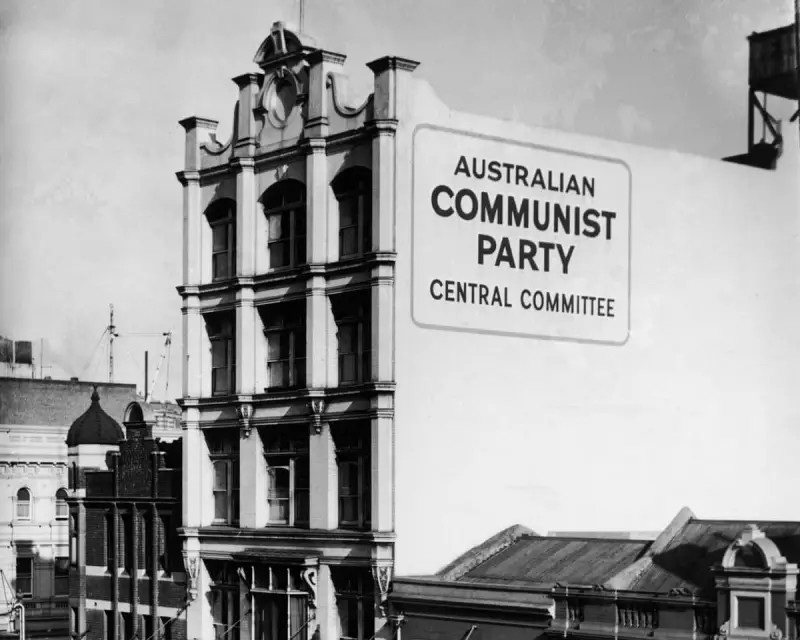
Australia is once again considering legislation to ban organisations, with the federal Labor government proposing new laws to prohibit hate groups in the wake of the Bondi terror attack. This move, however, forces a reckoning with the nation's own troubled history of outlawing political bodies, a history marked by legal overreach and the erosion of civil liberties.
A Century of Controversial Bans
The precedent for banning organisations in Australia is long and contentious. During the First World War, the Unlawful Associations Act of 1916 was used to outlaw the Industrial Workers of the World. Membership became a criminal offence, leading to 103 imprisonments and the deportation of members, some of whom were dumped in Chile despite having no connection to the country.
This pattern continued during the Second World War. In 1940, the Menzies government used defence regulations to ban "subversive associations," including the Communist Party of Australia. The power rested with the Governor-General, who could dissolve a group and confiscate its property based merely on his opinion that it was prejudicial to the war effort.
This ban was lifted in 1942 after the Soviet Union joined the Allies, but another banned group, the Adelaide Company of Jehovah's Witnesses, successfully challenged the regulations in the High Court. Justice Starke condemned them as "arbitrary, capricious and oppressive."
The High Court's Robust Defence of Liberties
Undeterred, the Menzies government tried again in peacetime with the Communist Party Dissolution Act of 1950. This law declared the Australian Communist Party unlawful, seized its assets, and allowed the government to declare individuals as communists, barring them from public service or union office.
The High Court struck down the act, ruling it was not supported by the defence power. Justice Dixon emphasised that "only the supreme emergency of war itself" could justify such a severe impact on civil liberties, a threshold not met even by Australia's involvement in the Korean War.
New Laws, Old Concerns
Now, the Albanese government is proposing to ban organisations once more, though Australia is not at war. The stated aim is to protect the community from harm by prohibiting groups that engage in or advocate hate crimes, including conduct that was not criminal when it occurred.
Critically, under the proposed laws, no conviction for a hate crime is required for the minister to act. There is also no requirement for the minister to observe procedural fairness before advising the Governor-General to declare a group a prohibited hate group via regulation.
This time, the legal justification shifts from the defence power to Australia's treaty obligations concerning racial hatred. It remains to be seen whether the modern High Court would view these powers as robustly as its predecessors did in the 20th century.
History, however, offers a clear warning. Past attempts to outlaw political groups in Australia have proven to be neither wise nor necessary. They have been tools of executive overreach, hastily crafted in times of fear and later invalidated by the courts. As parliament debates these new hate laws, the nation must carefully consider whether it truly wishes to tread this perilous path again.




