UK Wage Taxes Surge Faster Than Any OECD Country Following Chancellor's Budget
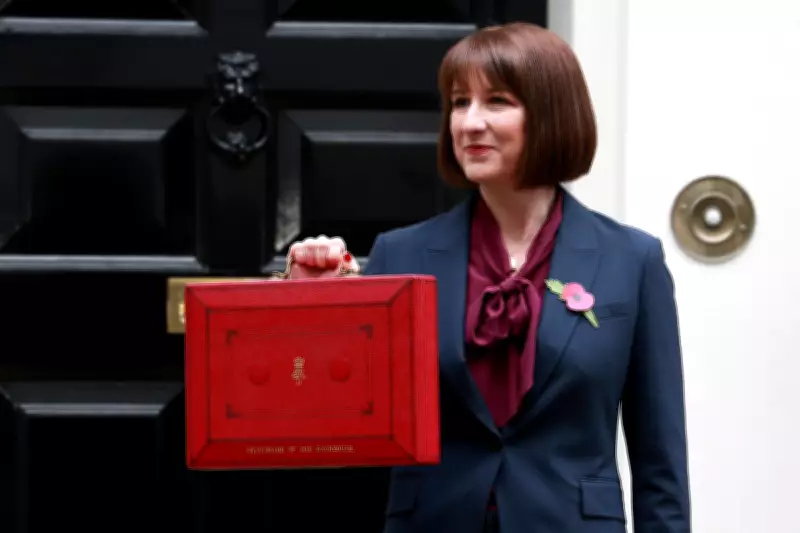
A comprehensive new analysis from the Organisation for Economic Co-operation and Development (OECD) has delivered a stark finding: taxes on wages in the United Kingdom rose at a faster pace during 2025 than in any other country tracked by the influential international body. This significant jump is directly attributed to fiscal measures implemented by Chancellor Rachel Reeves in her inaugural Budget.
Unprecedented Increase in the Tax Burden
The Paris-based think tank's report, which monitors 38 member nations including economic powerhouses like the United States, France, Japan, and Australia, identified a sharp escalation in the UK's tax wedge. For a single worker earning the national average wage, the tax burden increased by 2.45 percentage points. This surge dramatically outpaces the OECD-wide average increase of just 1.15 percentage points, positioning the UK at the top of this concerning metric.
OECD analysts pinpointed the primary driver as Chancellor Reeves' decision to hike employers' national insurance contributions (NICs). Concurrently, they noted that policies inherited from the previous Conservative government, specifically the extension of freezes on income tax bands, have compounded the issue through a mechanism known as fiscal drag, silently pulling more earners into higher tax brackets.

Breaking Down the Numbers: Single vs. Married Workers
The report quantified the UK's overall tax wedge—the total taxes on labour costs borne by workers and employers—at 32.4% for an average single worker earning £55,983. While this figure remains slightly below the OECD average of 35.1%, the rate of its increase is what alarms economists. The burden grows heavier for higher earners; a single Briton with an income of £93,491 faces a tax wedge of 39.3%, with income tax being the predominant levy.
In a comparative global context, countries where single average earners face a larger overall tax wedge include Belgium, Germany, and Italy. However, the UK's rapid year-on-year growth is unique. The analysis also revealed a continued disparity based on household structure. Married couples in the UK, whether on average or higher dual salaries, still benefit from a lower tax wedge than their single counterparts. Interestingly, the OECD found that the average tax wedge for married workers increased at a higher rate than for singles across most member countries, with tax levels for nearly all eight household types studied reaching their highest point since at least 2018.
The Budget Impact and Economic Ripples
The OECD's findings reflect the tangible consequences of the substantial £40 billion tax increase Chancellor Reeves enacted in her first 2024 Budget, with changes taking full effect in April 2025. The cornerstone of this fiscal strategy was a reduction in the salary threshold for employer NICs to £5,000, coupled with an increase in the contribution rate to 15%.
This policy shift has had immediate repercussions in the business community. Employers across sectors have widely criticised the resultant increase in labour costs, blaming it for staff layoffs and delays in hiring plans. This corporate sentiment is echoed in recent labour market data, which shows vacancy levels plummeting to a five-year low, while the national unemployment rate persists at a level higher than when the Labour government assumed office in mid-2024.
The report underscores a period of significant fiscal adjustment for UK workers, positioning the nation with the most accelerated increase in wage taxes among the world's advanced economies, a legacy of the current government's first major budgetary intervention.