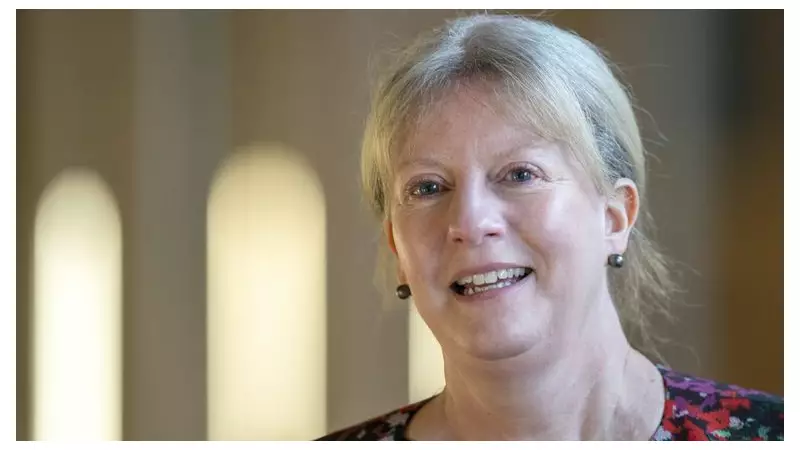
Finance Secretary Shona Robison has laid out the Scottish Government's draft spending and tax plans for the 2026-27 financial year, in a high-stakes fiscal statement delivered just four months before the Holyrood election.
Key Proposals in the SNP's Final Pre-Election Budget
Unveiling the plans at the Scottish Parliament on Tuesday, Ms Robison framed the budget as one designed for families, a stronger NHS, and long-term infrastructure investment. The proposals represent her final budget before she stands down as an MSP at the May election.
The centrepiece is an investment of almost £68 billion dedicated to the wellbeing of people in Scotland. When combined with existing spending reviews and infrastructure pipelines, the Scottish Government claims this will drive a total investment approaching £200 billion.

Significant changes to social security and taxation were announced. The Scottish Child Payment will see a substantial rise to £40 per week for families with a child under one, though this increase will not take effect until the start of the 2027-28 year. It is currently £27.15 per week.
In a move targeting high-value property, the government will create two new council tax bands for homes worth more than £1 million by 2028. Furthermore, a new levy aimed at private jet travellers was confirmed. "To those who choose to travel by private jet, in Scotland you will pay, and you will pay a fair share for that privilege," Ms Robison stated.
The Fiscal Challenge and Political Landscape
The draft budget arrives against a backdrop of significant financial pressure. Scotland's auditor general has previously warned of a potential near £5 billion funding shortfall by the end of the decade. Holyrood ministers are legally required to balance the books and have limited powers to borrow additional funds.
The budget, which sets annual funding for health, education, justice and other devolved areas, will now face weeks of scrutiny in parliament. The SNP runs a minority administration and will need to secure support from other parties for the plans to pass into law.
Speculation suggests Scottish Labour may abstain in the final vote, after party leader Anas Sarwar indicated his MSPs would not block the budget, effectively allowing it to pass. Mr Sarwar is instead focusing campaign efforts on the upcoming election, with expectations he would announce an emergency budget if Labour wins power.
Election Countdown and Public Reaction
With the Holyrood election set for May 2026, this budget is widely seen as a key part of the SNP's pitch to voters to retain power and fulfil its policy agenda. Recent polling places the SNP in first position, though not with a majority, followed by Reform UK and Scottish Labour.
The coming weeks will determine whether the minority government can build the necessary consensus to pass its final budget of the parliamentary term, setting the fiscal stage for a fiercely contested election campaign.