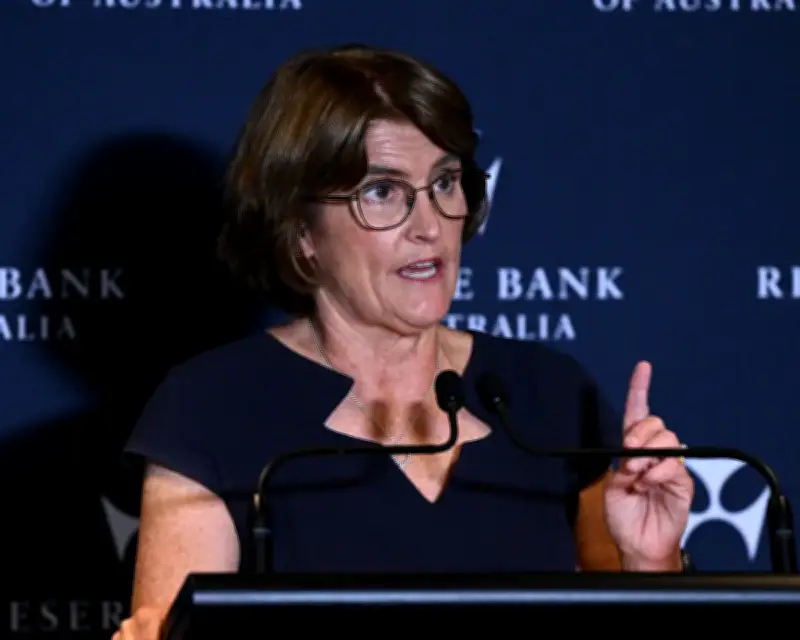
The Reserve Bank of Australia (RBA) has announced its decision to hold the official cash rate at 4.35%, a move that has intensified political debate over the nation's economic direction. Prime Minister Anthony Albanese used the occasion to defend his government's economic management, while Opposition Treasury spokesperson Angus Taylor seized on the decision to criticise the government's spending and inflation record.
The RBA's decision, announced on Tuesday, comes after a series of rate hikes over the past year aimed at curbing inflation, which remains above the bank's target range. In a statement, the RBA board noted that while inflation is moderating, it remains too high, and the board remains resolute in its determination to return inflation to target within a reasonable timeframe.
Political Reaction and Question Time
During Question Time, Prime Minister Albanese addressed the RBA's decision, highlighting his government's focus on cost-of-living pressures. He pointed to measures such as energy bill relief and increased rental assistance as evidence of the government's commitment to easing financial burdens on households.
Opposition spokesperson Angus Taylor, however, argued that the rate hold was a 'stark reminder' of the government's economic failures. He accused the government of fuelling inflation through excessive spending and said that Australians are 'paying the price' for the government's lack of fiscal discipline.
Economic Indicators and Public Sentiment
The RBA's decision reflects ongoing concerns about persistent inflation, which stood at 3.8% in the latest figures, down from a peak of 7.8% but still above the 2-3% target band. Economists suggest that the bank is adopting a 'wait-and-see' approach, with no further rate changes expected until at least late 2026.
Public sentiment remains divided, with many mortgage holders feeling the pinch of higher repayments. According to a recent poll, 62% of Australians believe the government is not doing enough to address cost-of-living issues, while the opposition has vowed to make the economy a central issue in the next election.
Government's Defense and Future Outlook
In his remarks, Albanese reiterated that his government's plan is 'working', citing job growth and wage increases as evidence of economic resilience. He also criticised the opposition for offering no alternative solutions, saying they are 'all talk and no plan' when it comes to economic management.
The RBA's next meeting is scheduled for September, and markets will be closely watching for any signals of future rate moves. In the meantime, the political debate over economic policy is likely to intensify, with both major parties positioning themselves ahead of the next federal election.