Pension Deadlock: Government and Lords Refuse to Back Down in Stalemate
The government and the House of Lords are locked in a high-stakes political standoff over pensions, both refusing to back down on their demands for the Pension Schemes Bill, leaving its passage up in the air as the clock winds down on this parliamentary session.
Attempts to finalise the bill in the upper house remain ensnared in disagreements over concessions around what has become known as the mandation power. It amounts to new powers the government will hold in reserve to compel private pension schemes to invest a minimum proportion of assets into specific areas. The intention is to boost investment in assets seen as more productive for the economy and open flows of domestic capital into UK markets. But major City institutions have criticised what some see as a Westminster power grab over control of pension investments.
Quashing Once More
In the Lords, the latest shoot down comes after the government used its majority to push the bill through the Commons last night, after proposing further limitations. Jonathan Parker, managing director and head of DC at Gallagher, said: “With the Pension Schemes Bill facing a genuine risk of failure if the mandation power debate isn’t resolved, trustees will certainly be feeling a sense of legislative fatigue after so many months of discussion.”

Under the latest watering-down of wording, pension schemes looking for an exemption would only have to persuade the regulator that complying “would be likely” to cause material financial detriment, rather than the original wording that complying “would” cause detriment. Opponents argued the previous wording set the bar too high. There have already been moves to compromise. Pensions Minister Torsten Bell has agreed to cap the power at 10 per cent of total assets and backed a ‘sunset clause’ repealing the power in its entirety by 2035. Nonetheless, the bill continues to bounce between Westminster’s chambers.
Not Good Enough
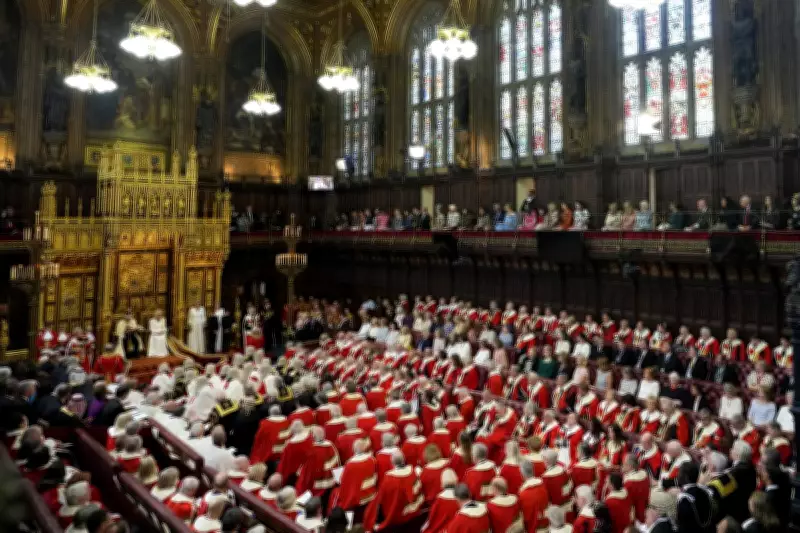
But on Monday night peers voted against the amendments, with Liberal Democrat Baroness Sharon Bowles, who has led the opposition in the upper chamber, calling the threat of handing power over to the government “draconian and disproportionate”. She said: “Trustees are left in a double bind: comply and risk personal liability, or refuse and risk de-authorisation.” Conservative peer Baroness Ros Altmann also argued that there was no mention of the obligations the government had signed up to under the Mansion House Accord, including an expectation that it would help secure a supply of investable assets.
In the Commons, MPs on the other side of the aisle also opposed the latest changes, echoing calls for it to be removed entirely. Helen Whately, shadow work and pensions minister, said: “The need for these amendments tells its own story: the government accepts that mandation risks conflicting with the duties that trustees and pension providers owe to savers. If no such conflict existed, there would be no need at all for an exemption process. The right to appeal, enhanced through today’s amendments, demonstrates that ministers accept that mandation may force schemes away from doing what is in their members’ best interests. Trustees should not need state approval to act in the best interests of their members. These amendments just tinker at the margins; they do not fix the flaw in the policy.” But Department for Work and Pensions minister Andrew Western, who stood in for Bell, said the government would not back down on the issue, stating that deleting it altogether “would not happen”.

Time Is Running Out
Following the defeat in the Lords, secretary of state for work and pensions, Pat McFadden, said on Tuesday morning that the Commons would propose further amendments to the bill. The house has proposed adding to the list of factors that the secretary of state must consider before making regulations in relation to the asset allocation requirement, and would have to consider barriers to schemes investing in qualifying assets and what steps could be taken to address these. But with the parliamentary session ending this week and no fixed date on when the bill will return to the lower house, industry figures are now questioning if the bill will make it through before time runs out, in particular as both the Liberal Democrats and Conservatives refuse to pass any form of mandation. Parker added: “Whatever the final shape of this legislation, trustees should remain vigilant. The regulatory landscape continues to move quickly, and with assets under the Accord expected to grow to their billions by the early 2030s, communicating the member impact will be crucial.”