The Office for Budget Responsibility, the UK's independent fiscal watchdog, was conceived as a technocratic body operating in the political shadows. Yet over a tumultuous week, it has been thrust into the glaring spotlight, its future and fundamental purpose now under intense scrutiny.
A Week of Turmoil for the Budget Watchdog
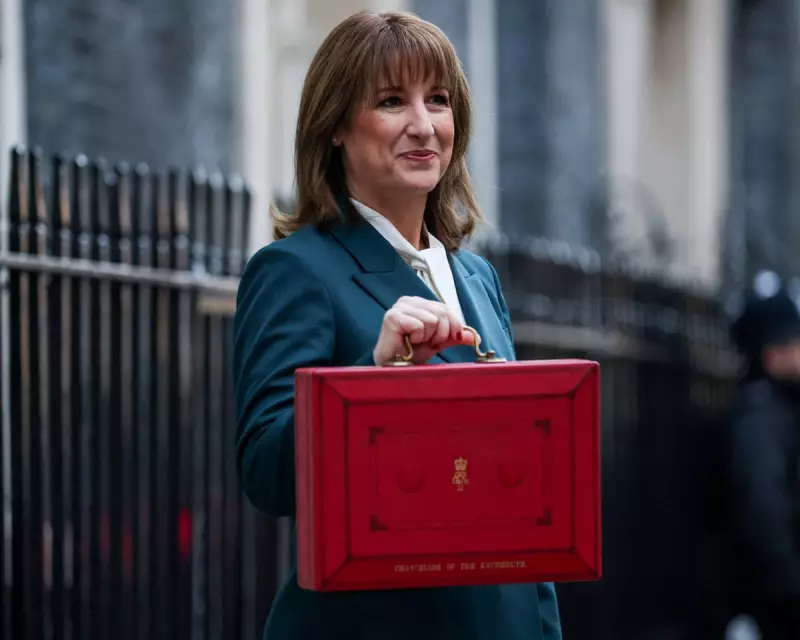
The crisis erupted when the OBR accidentally published Chancellor Rachel Reeves's budget plans ahead of schedule. This significant leak diverted attention from the government's economic strategy and triggered days of political anger and confusion. The fallout proved terminal for OBR Chair Richard Hughes, who resigned in the wake of the scandal.
This incident was the culmination of months of damaging briefings and separate leaks in the run-up to the budget. These reports suggested the OBR's forecasts were swinging wildly, forcing the Treasury into a chaotic response. OBR official David Miles later told MPs these briefings were not only incorrect but were so voluminous and inaccurate they threatened the institution's reputation.

Questioning the OBR's Founding and Function
The watchdog was established in 2010 by the Conservative-Liberal Democrat coalition government, led by then-Chancellor George Osborne. Created in the aftermath of the global financial crisis, its mission was to provide independent forecasts and stop governments from massaging economic data for political gain, a charge levelled at the previous Labour administration.
The OBR operates in a unique dance with the Treasury. The Chancellor cannot legally publish a budget unless the OBR certifies the numbers add up. This creates a complex, iterative process where policy proposals are modelled, effects are forecast, and plans are frequently revised.
The Inherent Challenge of Economic Forecasting
A central criticism of the OBR is the accuracy of its predictions. However, defenders argue that forecasting is an inherently imprecise science, a challenge magnified by a series of unforeseen shocks. The UK economy has been buffeted by Brexit, the Covid-19 pandemic, and the energy crisis following Russia's invasion of Ukraine.
While a Chancellor can technically ignore the OBR's assessment, the political and market realities make this extremely difficult. Chancellor Reeves faced this dilemma head-on after the spring statement, when the OBR indicated she would breach her own fiscal rules within five years. The political pressure to respond led to now-reversed welfare cuts, demonstrating the OBR's powerful, if indirect, influence on policy.
Criticism from the Left and Calls for Reform
A sharper critique, largely from the left, questions the OBR's economic assumptions. Some economists argue it was designed to rubber-stamp austerity and remains structurally biased against public investment. Organisations like the New Economics Foundation claim it over-relies on the theory of "crowding out," which assumes government spending inevitably displaces private sector activity.
This has led to calls for reform, ranging from reducing its forecasts to one per year to bringing forecasting back inside the Treasury, with the OBR acting merely as an external auditor. More radical voices question whether the institution should be abolished entirely.
The High-Stakes Decision Facing Rachel Reeves
The Labour government, keen to frame its decisions around real-world impact rather than spreadsheet cells, is already enacting change. From next spring, the OBR will still publish two forecasts, but Reeves has declared its assessments will no longer be used to judge her against her fiscal rules. Instead, it will provide a projection without a formal pass-or-fail verdict.
Yet abolishing the OBR altogether carries severe risks. In an era of high national debt and borrowing costs sensitive to market confidence, the watchdog provides a crucial signal of credibility to international investors. The disastrous "mini-budget" of 2022 under Liz Truss, which deliberately bypassed OBR scrutiny, serves as a stark warning of what can happen when that credibility evaporates.

Ultimately, the power dynamic remains nuanced. Chancellors set their own fiscal rules and decide when to heed warnings. The OBR crisis has exposed the tensions in this relationship but has also underscored that, for now, the dull machinery of independent oversight remains a cornerstone of UK economic credibility.