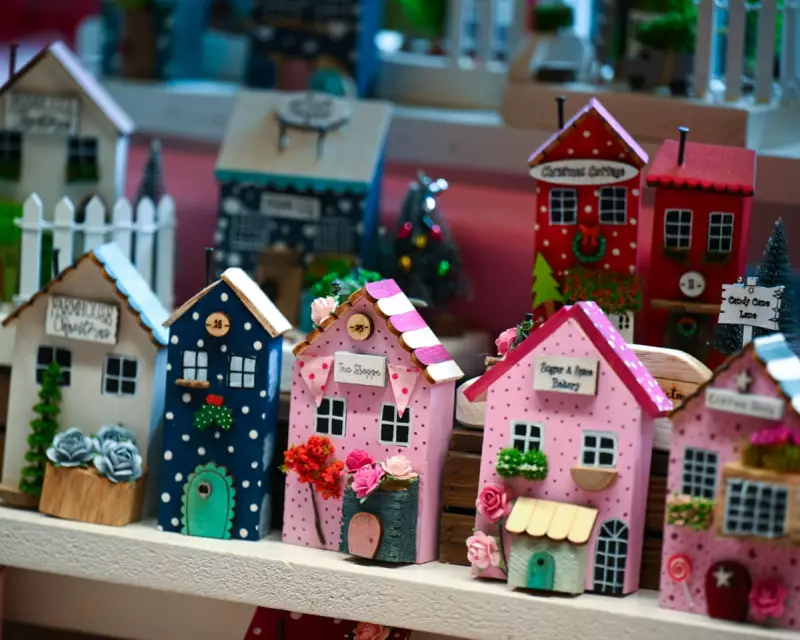
Tax officials have issued a stark warning to the thousands of Britons planning to boost their income through festive side hustles this Christmas. Her Majesty's Revenue and Customs (HMRC) is urging individuals selling goods online or providing services to understand their tax obligations, reminding them that extra earnings may need to be declared.
The £1,000 Trading Allowance: What You Need to Know
Many people are unaware that income from casual selling or side jobs could be subject to tax. However, HMRC provides a specific allowance designed for small-scale traders. The trading allowance permits individuals to earn up to £1,000 per tax year from such activities before any tax is due. This means if your total income from all side hustles—be it selling handmade crafts on Etsy, flipping vintage items on eBay, or offering freelance services—stays below this threshold, you do not need to inform HMRC or complete a tax return.
This rule offers significant flexibility for those engaging in occasional, low-volume selling, particularly during the busy Christmas period. It is crucial to note that this is an allowance, not an exemption. Once your gross income from these activities exceeds £1,000 in the tax year (which runs from 6 April to 5 April), you are legally required to report it to HMRC. At that point, you can choose to deduct the £1,000 allowance from your income or claim actual business expenses incurred, depending on which is more beneficial.

Platforms Are Sharing Data with Tax Authorities
The warning comes amid a significant shift in how tax authorities monitor digital income. HMRC now receives bulk data from online marketplaces and digital platforms about sellers' activities. This includes information from giants like eBay, Etsy, Airbnb, and Vinted. The data-sharing initiative, which began in January 2024, allows HMRC to cross-reference information with its own records to identify individuals who may be earning taxable income but not declaring it.
This increased transparency makes it far harder for sellers to fly under the radar. HMRC can now see patterns of sales and income that may indicate a trading activity, even if the individual considers it a casual hobby. The message from the tax office is clear: it is the seller's responsibility to understand the rules and comply, regardless of whether they receive a prompt from HMRC.
Distinguishing Between a Hobby and a Trade
A key area of confusion for many is determining when a casual activity becomes a trade for tax purposes. Selling old clothes or toys you no longer need from your attic is generally not considered trading. However, if you are regularly buying goods with the intention of reselling them for a profit, or creating items specifically to sell, HMRC is likely to view this as a business activity. Other indicators include promoting your goods, building a brand, or seeking to make a profit over time.
If HMRC determines your activities constitute a trade, the income is potentially taxable. The consequences of failing to declare taxable income can be serious, including penalties and interest charges on top of any unpaid tax. For those whose income exceeds the £1,000 allowance, registering for self-assessment is the necessary next step. The deadline for filing a tax return for the 2024/25 tax year is 31 January 2026.
With the festive season being a peak time for side hustles, HMRC's guidance serves as a timely reminder. While the trading allowance offers a generous buffer for small-scale sellers, understanding where you stand is essential to avoid an unexpected tax bill in the new year. The onus is on individuals to keep accurate records of their sales and to seek advice if they are unsure about their tax position.