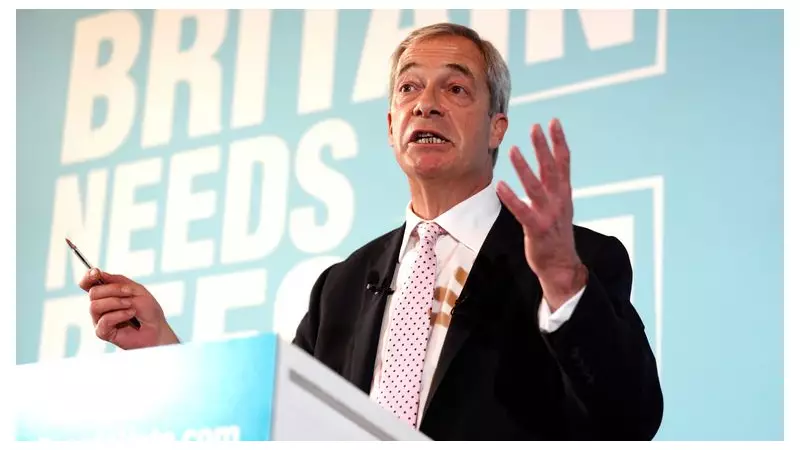
Nigel Farage has declared he is giving "serious thought" to abolishing the UK's independent budget watchdog if his party secures victory at the next general election and he becomes Prime Minister.
Farage's Critique of the Budget Watchdog
The Reform UK leader launched a stinging attack on the Office for Budget Responsibility (OBR), arguing that it has accrued excessive power. He claimed the body leaves Chancellors "beholden to it rather than doing their own thinking" and is "effectively dictating to elected politicians".
In an interview with The Telegraph newspaper, Farage questioned the institution's usefulness. "I have questioned the need for it. The question we have to ask ourselves is 'is the OBR serving any useful purpose?'" he stated. He added that the UK must discuss whether it would be better off without the OBR and expressed concern about a "Blairite-style quango" wielding undue influence over government policy.

Political Backlash and Warnings
The proposal was met with immediate condemnation from the government. Chief Secretary to the Treasury, James Murray, issued a stark warning against what he termed "fiscal recklessness".
Murray directly linked Farage's comments to the economic turmoil of 2022, stating: "Not content with taking advice from Liz Truss, Nigel Farage is now willing to go further... He'd hammer the British economy with a Liz Truss plan on steroids." He emphasised that many were still paying higher mortgage costs as a result of the market reaction to the Truss government's mini-budget.
The OBR's Role and Recent Controversies
The OBR was established in 2010 by the Conservative-Liberal Democrat coalition. Its mandate is to produce independent five-year forecasts for the economy and public finances, which are published alongside the Budget and Spring Statement.
However, the watchdog has faced criticism in recent years over both the accuracy of its forecasts and its perceived influence. It was embroiled in a significant controversy during last year's Budget when its forecasts were accessible online before the Chancellor's Commons statement, leading to the resignation of its chairman, Richard Hughes.
When pressed on who would be responsible for economic forecasts if the OBR were scrapped, Farage declined to provide an answer. Prior to 2010, such forecasts were produced by the Treasury itself, leading to frequent accusations of political bias in the numbers.
The debate over the OBR's future underscores a fundamental tension in economic governance between independent oversight and political autonomy, setting the stage for a major policy clash ahead of the next general election.