The Bank of England is set to leave interest rates unchanged at a highly-anticipated meeting on Thursday, as investors seek further guidance on the impact of the Iran war on the UK economy. Markets have all but priced in a hold at the Monetary Policy Committee’s next meeting, which would leave interest rates at 3.75 per cent, a level deemed restrictive.
Market Expectations and Analyst Views
City analysts are eager to read MPC members’ vote justifications. Hawkish language in minutes last month surprised markets, pushing two-year gilt yields higher by around 20 basis points in a colossal day for trading. Swati Dhingra, who had been seen as a dovish rate-setter, was one of those to open the door to an interest rate hike in the future, as worries over a jump in oil prices unnerved the country’s top economists.
Given fears that President Trump’s war with Iran is not showing signs of drawing to a close, oil prices have remained more than 50 per cent higher than they were in February this year.

Interest Rates at Risk of ‘Hawkish Signal’
Recent data has suggested that the UK economy had already suffered from higher fuel prices and delays in investment decisions. Official figures showed that inflation in the year to March jumped to 3.3 per cent, while growth in the first quarter of the year was stronger than expected, with GDP rising by 0.5 per cent. Some figures have pointed to a broader stabilisation in the jobs market after heavy blows throughout 2025. However, the impact of the war in Iran may only be seen later this year due to the distance that ships travelling from the Middle East have to travel and the extent of regulated prices in the UK, such as in household energy bills being set by Ofgem.
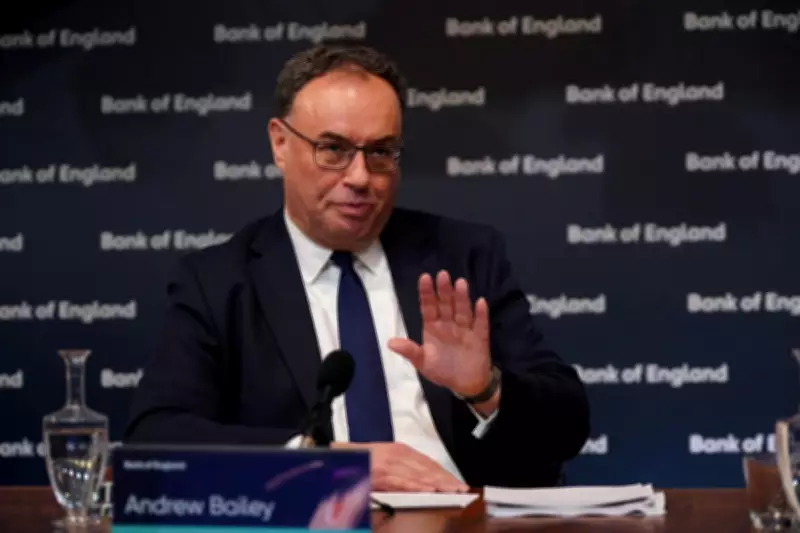
Thomas Pugh, the chief economist at the accountancy RSM, said he expected a unanimous vote for interest rates to be held. He added that the language in the upcoming monetary policy report, which will be the first full update in the Bank’s forecasts since the war began, will be “the main focus” for City bettors. “Now that governor Andrew Bailey has signalled that he is in no rush to raise rates, the committee will probably keep its guidance unchanged,” Pugh said. “There is a risk of a more hawkish signal from some members, but the MPC will want to avoid a similar market reaction to the last meeting, when markets jumped from pricing in one rate hike to four, and required governor Bailey to make a clarifying statement less than two hours after the meeting. We would caution though, that even if the minutes do give a slightly hawkish feel, it doesn’t necessarily mean rate rises will follow imminently.”
Members to Vote for Hikes?
BNP Paribas analysts believe there could be a 7-2 split in the MPC, with two members – chief economist Huw Pill and external member Catherine Mann – backing a hike in interest rates. The bank’s economist Dani Stollova said that the MPC will “rely heavily” on a scenario framework rather than its central forecast when making a decision, which is likely to be “stressing the extent of uncertainty around the outlook”. “The central scenario in the April’s Monetary Policy Report is likely to show an economic outlook teetering on the edge of stagflation,” she said. “Lower growth, higher inflation and worsening labour market conditions will likely be key features of the update, reflecting higher energy prices, a weaker pound sterling, and rate hike expectations.”