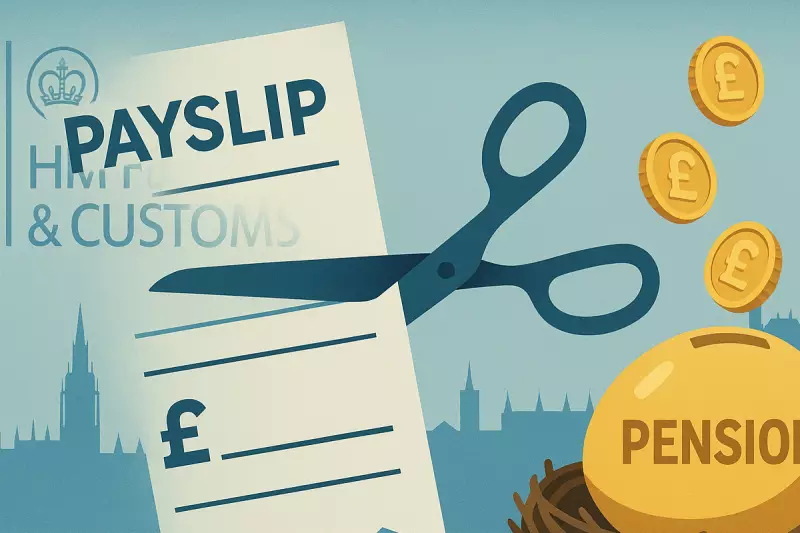
Major Overhaul for Salary Sacrifice Schemes
Chancellor Rachel Reeves is preparing a significant shake-up of salary sacrifice rules in the upcoming Autumn Budget, potentially ending a tax advantage that has benefited higher earners since the 1970s. The proposed changes could see the Treasury raise approximately £2bn by limiting national insurance exemptions on these popular schemes.
What's Changing and Who's Affected
Under current arrangements, employees can sacrifice part of their salary in exchange for benefits like pension contributions, childcare vouchers, or electric vehicle grants. This reduces their taxable income, particularly helping those earning just over £100,000 avoid losing valuable benefits such as free childcare hours and facing higher student loan repayments.
The new plan would introduce an annual cap of £2,000 per employee, beyond which standard national insurance rates would apply. This means employees would pay eight per cent on salaries below £50,270 and two per cent on income above that threshold for any additional contributions.

Broader Implications for Savers and Economy
Mike Ambery, retirement savings director at Standard Life, warned: "By limiting the amount of income that can be sacrificed without paying national insurance, the government will be increasing the cost of pension contributions to both the individual and the company." He emphasised that both employees and employers would face higher costs if contribution levels are maintained.
The Treasury's move comes as it attempts to fill an estimated £20bn fiscal black hole in public finances, having already faced public backlash over proposed cuts to winter fuel payments and welfare reforms earlier this year.
Alternative Savings Options
For those seeking other ways to build retirement savings, several alternatives remain available:
- ISAs offer a £20,000 annual tax-free allowance, though rumours suggest this might be reduced to £10,000 for cash ISAs
- Lifetime ISAs provide a 25 per cent government bonus for first-time buyers, despite the £450,000 property price cap proving problematic in London
- Marriage allowance enables couples to transfer part of their personal tax allowance, potentially saving up to £252 annually
- Business owners can explore Enterprise Investment Schemes offering 30 per cent income tax relief
The Autumn Budget, scheduled for Monday 10 November 2025, represents a pivotal moment for retirement planning in Britain, with millions of savers awaiting the Chancellor's final decision on these crucial tax arrangements.