
UK Food Security Faces Severe Threats from Import Dependence
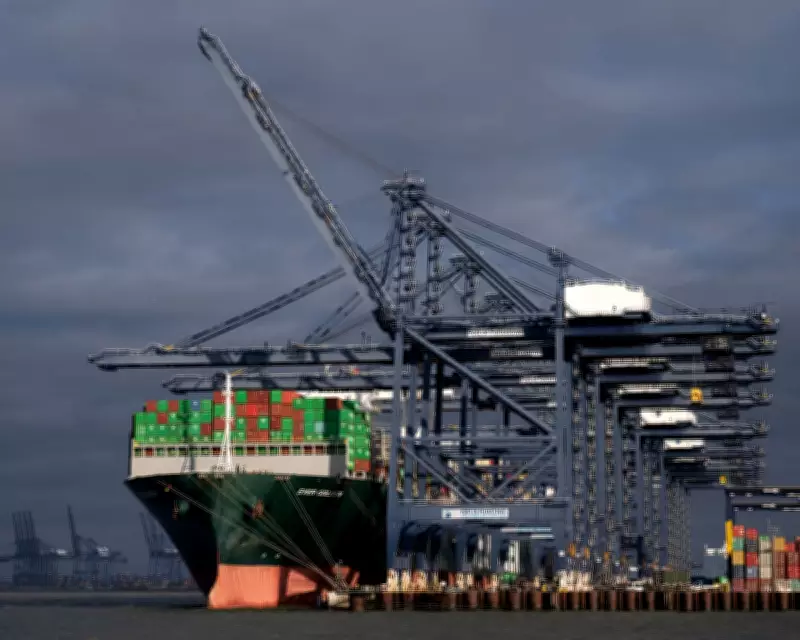
In a stark warning, experts have highlighted that the United Kingdom's heavy reliance on food and fertiliser imports places the nation's food security in a particularly vulnerable position. This dependence threatens to trigger food shortages, drive up prices, and potentially incite civil unrest, according to recent analyses. The issue has gained prominence amid broader discussions on national resilience and the multifaceted crises confronting the country.
Political Leaders Criticised for Overlooking Nature in Resilience Plans
Keir Starmer, the Prime Minister, recently emphasised the need for Britain to build resilience against international shocks, yet his approach has faced criticism for neglecting the critical role of nature. Caroline Lucas, a former Green Party MP, pointed out the absence of references to the global decline in ecosystem health in Starmer's resilience-focused article. She underscored that intelligence reports have flagged "cascading risks" from ecosystem degradation, including conflicts and economic disruptions, with six key ecosystems on a path to collapse within five years.
Lucas argued that ministers must be transparent about these risks and advocate for global initiatives, such as reversing climate finance cuts and supporting the Tropical Forest Forever Facility. She also called for practical measures to diversify food supply chains, including incentives for domestic production and plant-based diets, integrated into a comprehensive climate and nature resilience plan.
Brexit's Role in Exacerbating Economic and Security Vulnerabilities
Molly Scott Cato, a former MEP, identified Brexit as a significant factor in the UK's current woes, describing it as a "national mistake" that could be reversed. She noted that with the US becoming an unreliable ally and economic data showing the detrimental effects of leaving the EU, the tenth anniversary of Brexit presents an opportunity to reconsider membership. This perspective adds to the debate on how geopolitical decisions impact national security and economic stability.
Calls for a Unified and Sustainable Approach to Resilience
Other contributors, including Dr. Victor Ajuwon and Toby Harris, stressed the importance of a cohesive national effort to build resilience. Harris, chair of the National Preparedness Commission, emphasised that every level of society must incorporate preparedness into its fabric to withstand shocks like climate change and international conflicts. He advocated for a "national conversation" to garner public support for necessary hard choices.
Dr. Tracey Elliott reflected on past optimism during her time at the Office for Science and Technology, contrasting it with today's fragmented world. She warned that the climate crisis exacerbates vulnerabilities in food and energy supply chains, urging Starmer to prioritise green, sustainable investments over fossil fuel expansions, such as new North Sea oil and gas licenses.
Conclusion: A Multifaceted Challenge Requiring Immediate Action
The collective insights from these letters paint a picture of a nation at a crossroads, where food security, environmental health, and political decisions intertwine. Experts agree that building resilience requires honesty, global cooperation, and sustainable practices. As the UK navigates these complex issues, the call for a proactive and inclusive strategy grows louder, highlighting the urgent need to address import dependencies and ecological threats to safeguard the future.




