
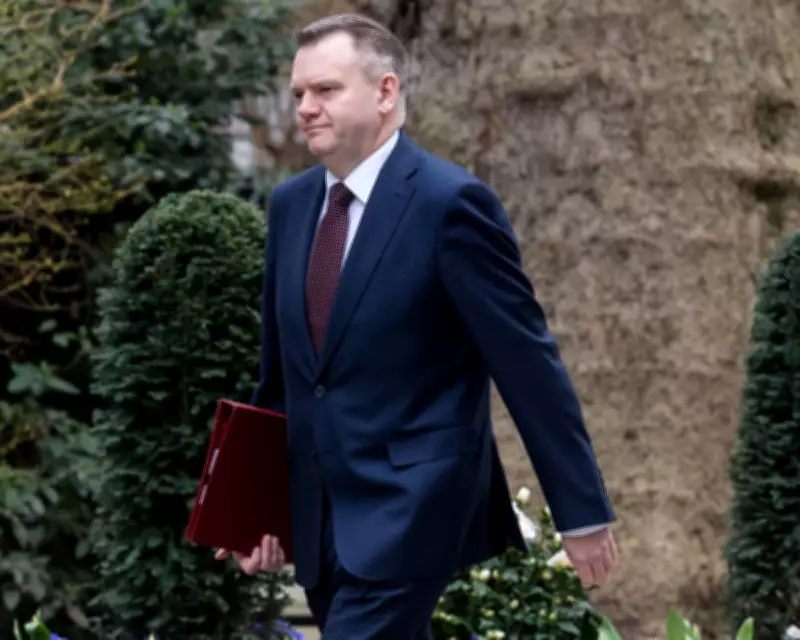
Tuition Fee Dispute Threatens UK-EU Reset as Ministers Seek Closer Ties
Nick Thomas-Symonds, the Cabinet Office minister, and the universities sector are adamant that EU students should not be charged domestic fees. This stance comes as the UK government attempts a "Brexit reset" with Brussels, nearly a decade after the referendum to leave the EU.
Ministers Push for Closer EU Alignment Amid Fee Standoff
This week marks a flurry of activity for the British government, aimed at forging closer ties with the EU. On Monday, Nick Thomas-Symonds arrived in Brussels for a meeting of the joint EU-UK parliamentary partnership assembly, accompanied by Europe minister Stephen Doughty and trade minister Chris Bryant. The following day, Chancellor Rachel Reeves delivered her second Mais lecture, emphasizing that closer alignment with the EU is central to the government's growth agenda.
However, a fresh row has erupted over Brussels's demand for lower university tuition fees for European students. The disagreement centers on whether EU students should pay domestic fees of approximately £9,500 per year or international fees, which can exceed £60,000. Brussels insists that reducing fees only for those on a proposed youth mobility scheme is insufficient, advocating for lower fees for all EU students—a move estimated to cost British universities £140 million annually.
Stakeholders Divided on Fee Proposal
Anand Menon, director of the thinktank UK in a Changing Europe, warned that the standoff reveals the EU's hardball tactics and the fragility of the reset. "The standoff over university fees shows not only that the EU will play hardball in these negotiations and insist on getting what it wants, but that the whole reset is perhaps more fragile than the government seems to think," he said.
Some in the sector support the proposal. Mark Corver, an analyst and director of Campus Numerics, stated, "This would enable universities to base their admissions solely on merit, rather than financial contribution, and probably allow them to spend more time serving regional and national demand."
In contrast, the British government and universities sector oppose the plan, with UK officials labeling it a "non-starter." The dispute threatens not only the youth mobility scheme but the entire reset, which includes agreements on food and agriculture, and emissions trading, all due for finalization by this summer. Brussels is prioritizing youth mobility and may withhold support on other agreements if no deal is reached on fees.
Negotiations and Potential Compromises
Those involved in the talks, including individuals with experience from post-Brexit negotiations, insist a deal is still possible. They highlight the closer relationships between Thomas-Symonds and his EU counterpart Maroš Šefčovič, and between Prime Minister Keir Starmer and European Commission president Ursula von der Leyen.
Thomas-Symonds is holding talks this week with Šefčovič and European parliament president Roberta Metsola to address the impasse. Signs of compromise are emerging: the Treasury and Department for Education are analyzing the financial impact of accepting the proposal, with government sources indicating they would demand "something really big" in return. Brussels is reportedly open to a fee reduction without full equalization to domestic rates, viewing it as a non-binary issue.
One person involved in the talks noted, "This is part of the normal way business is done—a lot of these thorny issues get held back until the final stages of talks. Inevitably, then there will be an act of God and it will get sorted."




