
Chancellor's Growth Strategy Faces Scrutiny After London Address
Chancellor Rachel Reeves delivered a significant policy address at the Mais Lecture in London this week, outlining her vision for navigating what she termed "an age of insecurity." The speech, which focused heavily on regional economic development, artificial intelligence investment, and closer ties with European neighbors, has drawn both praise and sharp criticism from political observers.
Globalization Shift and Strategic Response
Reeves declared emphatically that "globalization as we've known it is over," positioning her proposals as necessary responses to this new economic reality. The Chancellor's most concrete proposals centered on three main areas: developing regional growth initiatives, strengthening relationships with the European Union, and implementing a comprehensive artificial intelligence strategy.
The AI component has received the warmest reception from technology sector leaders, who have expressed genuine enthusiasm about government commitments to critical infrastructure and emerging fields like quantum computing. Industry representatives acknowledge the ambition and dedication demonstrated in these technology-focused proposals.
Fiscal Devolution Concerns Emerge
More controversial elements of the Chancellor's regional growth strategy involve what she terms "fiscal devolution" - allowing mayors and local authorities to retain a portion of tax revenue generated within their jurisdictions. While Reeves promised additional details in the upcoming Budget announcement, critics have voiced concerns that this approach could eventually lead to local taxation powers, creating additional complexity in an already burdensome system.
"What was notably absent from this address," observed one political analyst, "was any recognition that the country currently struggles under an increasingly heavy tax and regulatory burden. Simply redistributing tax revenue while increasing regulatory alignment won't alleviate these fundamental challenges."
EU Regulatory Alignment Sparks Debate
The Chancellor appeared most passionate when discussing closer ties with the European Union, stating that "no partnership is more important than that between the UK and our European neighbors." She acknowledged this represents a significant political decision requiring the government to "make and win" the argument with the British public.
Reeves explicitly stated that the United Kingdom should be prepared to "align with EU regulation" as a default position, with regulatory autonomy reserved only for exceptional circumstances. This approach has drawn criticism from those who view it as effectively surrendering post-Brexit freedoms that have yet to be fully utilized.
Philosophical Direction Questioned
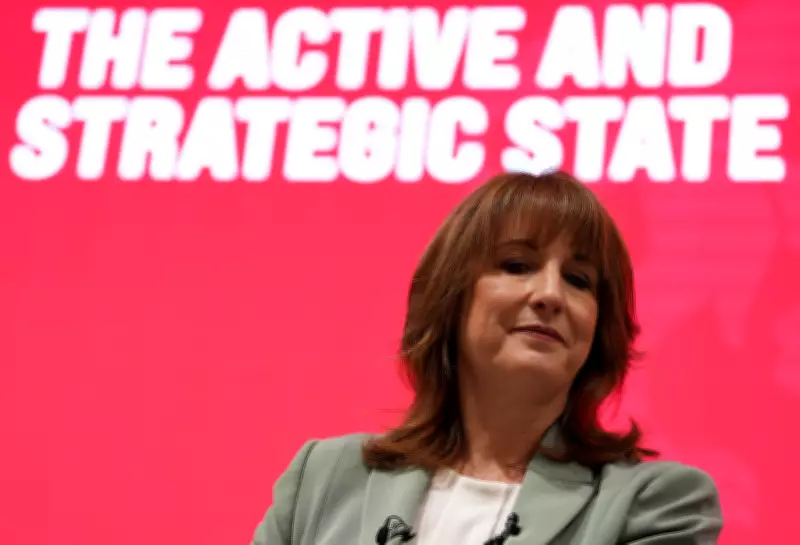
Critics have characterized the overall philosophy behind the speech as contradictory to necessary economic direction. When Reeves references a "strategic state," detractors interpret this as code for a larger, more expensive government apparatus. Despite acknowledging some sensible technology initiatives, the broader agenda appears to move toward greater centralization rather than the deregulation many economists advocate.
The Chancellor's proposals have been labeled by some commentators as "a political comfort blanket masquerading as a pro-growth strategy" - offering the appearance of action while potentially exacerbating existing economic challenges through increased regulation and government intervention.




