
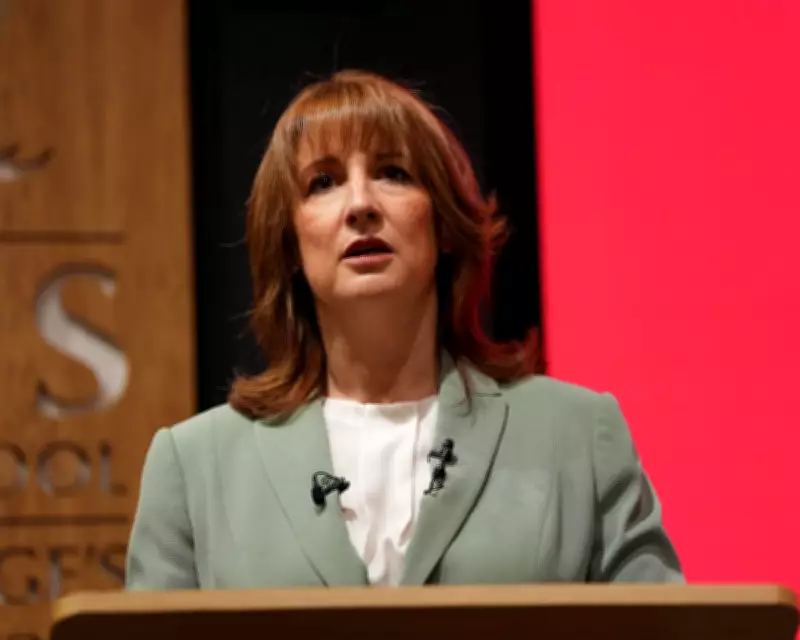
Rachel Reeves Champions Activist Government and EU Realignment in Landmark Speech
In a detailed and refreshing exposition of her economic vision, Chancellor Rachel Reeves delivered the Mais lecture at Bayes Business School in London on March 17, 2026. She argued for an activist government, emphasizing that effectiveness does not necessarily equate to a larger state. This approach, which she terms "securonomics," aims to counter public anxiety and volatility in a dangerous world, directly challenging the laissez-faire policies of previous Conservative governments that she claims led to underinvestment, regional inequalities, and the flawed case for Brexit.
Strategic Shift Towards EU Integration
Reeves made a forthright case for Britain's realignment with the European single market, marking a discernible pro-EU tilt in government rhetoric. She highlighted the "strategic imperative for deeper integration between the UK and EU," noting that no individual trade deal can outweigh the relationship with a bloc that accounts for almost half of Britain's trade and shares a land border. This stance represents a significant evolution from earlier cautious positions, as both Reeves and Prime Minister Keir Starmer have increasingly acknowledged the economic harm inflicted by Brexit.
Policy Innovations and Private Sector Partnerships
To boost growth, Reeves advocates for partnering with the private sector while cutting regulation and devolving economic power to regional leaders. In a break from Treasury orthodoxy, she is considering granting devolved institutions control over major tax revenues traditionally centralized in Whitehall. However, the speech also restated existing government policies, with the pro-EU elements standing out due to the unusual absence of any celebratory references to US relations.
Challenges and Political Urgency
Despite the compelling arguments for EU alignment, Reeves' strategic analysis faces political hurdles. The Labour leadership's previous reluctance to fully address Brexit's folly, driven by fears of backlash in leave-voting areas, has left outdated red lines in place that hinder substantial integration with the single market. Continental leaders often perceive Britain's ambition for selective alignment as "cherrypicking," a stance rejected in past negotiations. Achieving sectoral participation will require more vigorous negotiations and clearer political commitment than currently demonstrated.
While Reeves' recognition of Britain's best interests lying in strategic intimacy with Europe is reassuring, a gap remains between acknowledging these facts and acting with the requisite urgency. The chancellor's call for an activist government and deeper EU ties sets a progressive agenda, but its success depends on bridging this divide and accelerating political efforts to realize economic dividends.




