
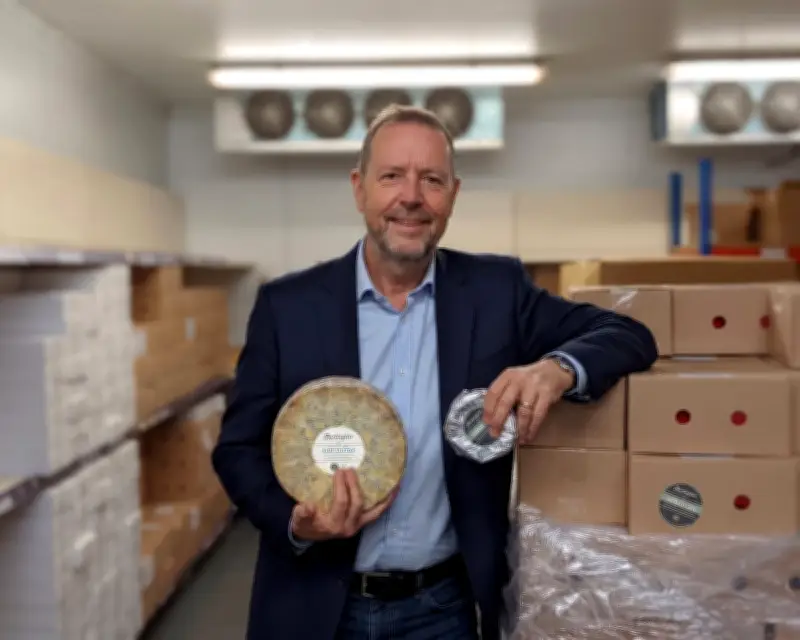
Simon Spurrell, a Cheshire cheesemaker, says Brexit left a £250,000 hole in his small but fast-growing firm, ultimately forcing him to sell to a larger company. He is one of many small-to-medium-sized business owners who have experienced what they describe as a 'total, utter nightmare' a decade after the Brexit vote.
Thousands stopped exporting to the EU
Between 16,000 and 20,000 businesses stopped exporting to the EU altogether, according to estimates. Those who continued complain that Boris Johnson's government catered for 'blue chips' rather than small, everyday companies when designing the hard Brexit.
Spurrell discovered he could no longer export his award-winning cheese to the EU because every sale, even those worth only £30, required a £180 health certificate confirming EU standards. He sold out to a bigger company that could handle the paperwork.
'Biggest self-harm'
'Brexit is the biggest self-harm that any government has inflicted on itself in recent history,' Spurrell says. He joined a small artisan stilton cheese firm in Derby, part of Hartington Creamery, where his daughter's family looks after 300 cows. He says the market is tougher for those not big enough to cope with red tape: 'Small producers are just trapped on this island and we're all fighting each other for the same market share.'
Analysis of HMRC data by the National Farmers' Union earlier this year showed exports of farm products to the EU fell by 37.4% in the five years since 2019.
Farmers and wine merchants hit hard
Alastair Brooks, owner of a berry farm in Kent, also ceased trading, with Brexit precipitating an early retirement. He cites 'the lack of preparation by the civil service and government' and their inability to 'design a 10-year strategy or vision' for farmers after leaving the EU. Seasonal workers from Romania and Bulgaria were replaced by people from Uzbekistan and Kyrgyzstan, but the new scheme was unreliable.
Daniel Lambert, a British-French dual national, left the UK after Brexit but continues his wine import/export business from France. He says the cost of doing business in the UK has 'spiralled five times', from £30,000 to £166,000 a year. 'Every single thing I forecasted in terms of difficulties: paperwork, administration, generally people not knowing what's going on, the government being clueless; everything came to fruition and has basically become a total, utter nightmare,' he says.
Red tape and costs mount
Before Brexit, selling wine into the UK involved three key steps. Now there are about 20 steps, including exact commodity codes, export and excise duties on both sides of the channel, and a host of other paperwork. HMRC also requires wine importers to take out insurance against theft, but Lambert has only found one company offering it, based in Gibraltar.
Mark Ormiston, a sixth-generation supplier of wires to military and film industry customers, saw his EU business halved initially. It is now down 33% from pre-Brexit days. He says he 'cannot name one advantage of Brexit', which he describes as 'terrible – the stupidest decision the British public has made'.
Overall exports down
Overall exports of goods to the EU have decreased 15.9% from 2016 to 2025, according to HMRC data. Ben Fletcher, head of Logistics UK, worries about Britain's ability to grow markets for new products. 'What we are doing well is moving tried-and-tested products. Firms in the EU are worried about taking new product because they don't know if they will be able to get them across the border,' he says. 'If all we're doing is selling products that we've sold for years, at some point those products will be replaced.'




