
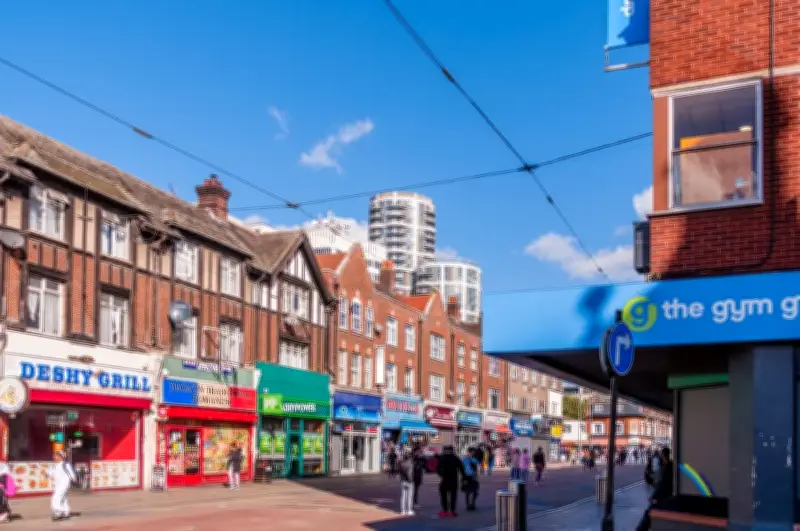
The National Conversation, a website and initiative that gathers Britons' views on the country, has concluded that the Isles of Scilly are the friendliest place in England, while Barking and Dagenham is the least friendly, according to an index drawing on government data for all 296 local authority areas in England.
How the ranking was compiled
The index used official statistics on how often people talk to their neighbours, whether they feel lonely, and their sense of belonging in their neighbourhood. It also considered residents' level of participation and pride in their environment.
The initiative is gathering its own data to contribute to a report to be published later this year. Conducted by the Independent Commission on Community and Cohesion, the study will respond to what it describes as 'the converging crises of social disconnection and division' across the country.
Reaction from co-chair Jon Cruddas
The commission is co-chaired by former Conservative MP Sajid Javid and former Labour policy coordinator Jon Cruddas, who was once an MP for Dagenham. 'This index is designed to get us talking,' Cruddas said. 'And I nearly choked on my cornflakes when my old area came rock bottom. I think government stats miss a lot of what really makes an area tick, including my old town. But that's why we have developed it, to spark a conversation – because what we really want is your view on your area.'
Barking and Dagenham's other rankings
Barking and Dagenham also came bottom of the London pile in Rightmove's happiness index last year. However, the borough had recently become the first in the capital to be named a 'Heritage Place' by the National Lottery, and was selected to receive a share of £200m as part of an investment programme across the country.
Full rankings for 2026
The five friendliest places in England for 2026 are: The Isles of Scilly, South Hams in south Devon, West Devon, The Derbyshire Dales, and Richmond upon Thames. The five least friendly places are: Barking and Dagenham, Stoke-on-Trent, Ashfield, Mansfield, and Ipswich.
After entering a postcode into the National Conversation's report, users are presented with a message stating that the data comes from official statistics and that the survey is different, asking for their own views to become part of the picture.




