
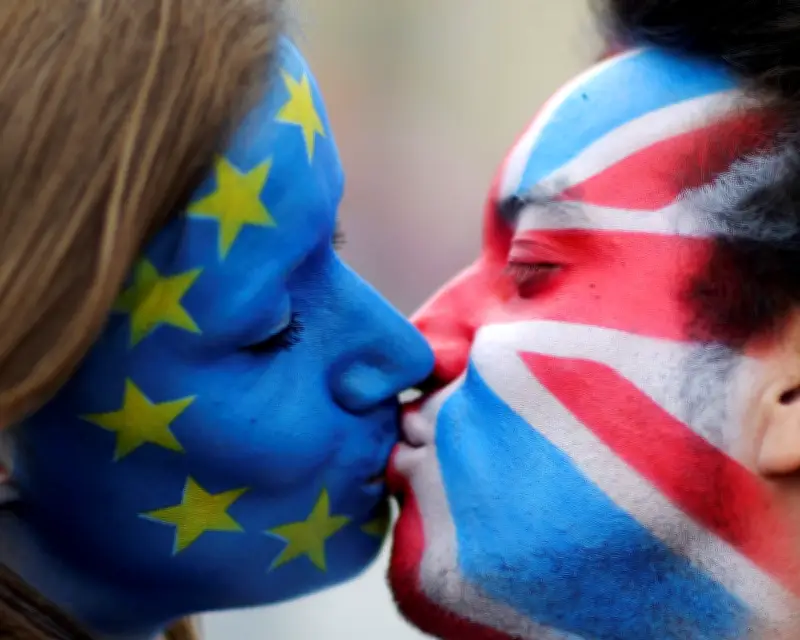
Just under a third of Britons continue to believe that their country was right to leave the European Union, according to recent polling. But as the 10th anniversary of the 2016 referendum approaches, the EU has largely moved on, focusing on new challenges and partnerships, while the UK remains fixated on the breakup.
Katy Lee, a Paris-based journalist and host of the podcast The Europeans, notes that in her daily conversations with people across Europe, there is little ill will toward the UK. However, the practical realities of Brexit have diminished the UK's appeal. EU nationals now make up just 5% of those who obtain a UK visa after navigating the post-Brexit immigration system. In 2023-24, the number of EU students enrolling in UK courses was down 58% compared to the last year under free movement. Talks aimed at offering three-year visas to under-30s remain deadlocked.
Economic and Cultural Impact
The absence of EU workers and students has affected the British economy and its cultural standing. Young, creative Europeans are now more likely to move to Berlin or Barcelona than London. The UK's street cred has diminished, even if London remains cool in some respects. The economic impact is tangible: reduced trade friction and lost contributions from EU nationals have weighed on growth.
EU's Resilience and New Focus
Post-Brexit, the EU has demonstrated an ability to move on, focusing on crises such as the war in Ukraine, the pandemic, and two Trump presidencies. It is pursuing new member states, from Montenegro to Moldova, and has strengthened internal cohesion. According to policy analyst Jannike Wachowiak, “European leaders simply don’t spend much time thinking about relations with the UK.” This shift has allowed the EU to concentrate on other priorities.
UK's Lingering Fixation
Conversely, the UK remains consumed by the breakup. Many Britons have become more interested in European identity, with Lee noting that her podcast receives frequent feedback from British listeners seeking connection to the continent. However, just under a third of the population still believes Brexit was the right decision. Politicians continue to debate the issue, a decade on.
Cooperation Despite Differences
Despite the awkwardness, the UK and EU have maintained functional cooperation. Trade, though more difficult, remains important to both sides. They have largely aligned on support for Ukraine. The Starmer government has been a relatively stable partner on the international stage. In these troubled times, this pragmatic relationship suffices.
For the EU, Brexit has been a bruising but educational experience. Many Europeans have observed the chaos and concluded that a similar exit would be unwise. This has contributed to stability within the EU, allowing it to focus on other challenges like climate change, Russia, China, and AI-driven labor market shifts.
A Poignant Justice
Lee reflects on the irony: the partner that was dumped (the EU) is doing well, while the one that did the dumping (the UK) remains hung up on what might have been. However, she notes that reconciliation is possible in the long run, citing a friend's story of a couple who rekindled after 20 years. The UK may need another decade of maturation before a potential rapprochement.




