
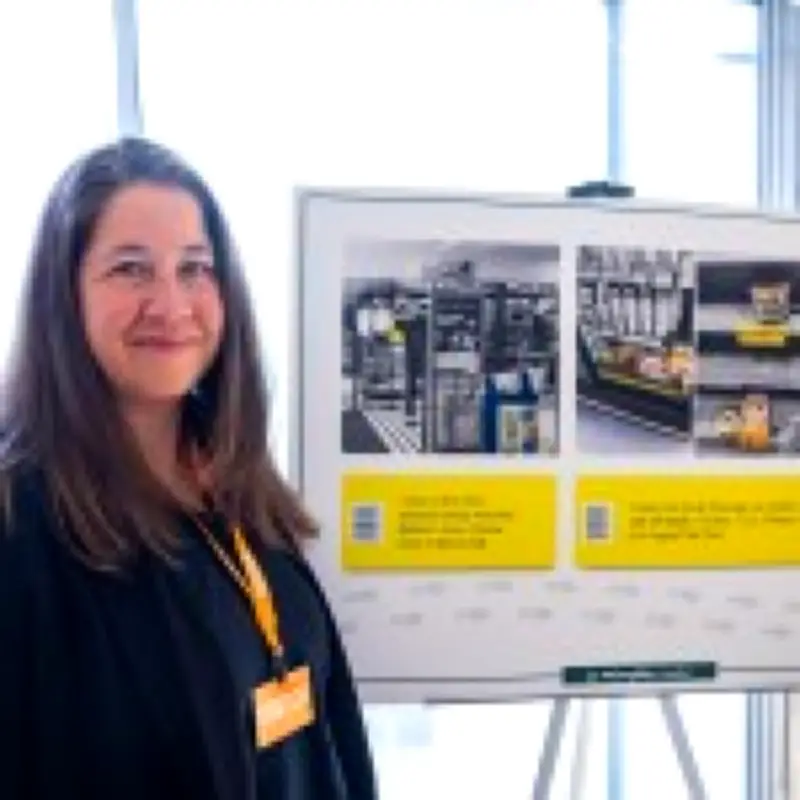
Jo McLoughlin, known online as Yellow Sticker Girl, has spent the last five years relying on discounted 'yellow sticker' food to stay within her £40 weekly grocery budget. Speaking to Metro, she explained that these markdowns are not a choice but a necessity: 'I have a £40 weekly budget for my food. I go to various supermarkets along my high street and I look for those yellow stickers – they're a lifeline.'
A London Transplant's Shock
Jo grew up in Cornwall but moved to London seven years ago, where she was immediately struck by the higher supermarket prices compared to her hometown. Since then, costs have only climbed, forcing her to scour reduced sections for fresh produce. 'With the cost of living and the massive upping of food prices, buying yellow sticker foods is a necessity to ensure that I get healthy, nutritional food into my diet,' she said.
To manage her strict budget, Jo sets aside a monthly 'pot' and uses a dedicated card for food purchases. She shops only for herself but is 'constantly planning' around available deals. For instance, if chicken is heavily reduced, she buys multiple packs, separates them, and freezes them for future meals. 'Some weeks I do a bulk buy, which can last me over a week and a half. Other times I'll go to the shops every day of the week to see how I can create healthy meals.'
Digital Bargain Hunting
Her bargain-hunting has recently expanded to apps like Too Good to Go. In one delivery, she paid £6.66 for a haul of yellow sticker foods that originally cost around £30. 'There were groceries I could freeze and make juices from, and plenty I could batch cook. It's within my affordable budget, and also it makes me feel good that I'm buying food that would otherwise go to waste,' she explained.
Jo's dedication extends beyond personal savings. In April 2025, she joined The Food Foundation's Ambassador Programme and has been campaigning for food equality. Last month, she presented a photo poem about her experience to MPs at Parliament, using it to illustrate the systemic issues behind food poverty.
The Stark Reality of Food Inequality
The Food Foundation's Broken Plate Report, released this year, reveals that the lowest fifth percentile of earners must spend 85% of their disposable income on food to afford healthy products, up from 70% in 2024. Jo highlighted this alarming trend: 'There's a lot of blame on lower-income individuals for buying less healthy or sugary foods, but that's shockingly the only food group that has got cheaper in the past year.'
The report also found that healthier foods are nearly twice as expensive per calorie than items high in sugar, fat, and salt. Fast food outlets now make up a quarter of all food outlets in England, rising to a third in the most deprived areas.
A Call for Change
Jo is clear that her reliance on yellow stickers is a symptom of a broader problem. 'My poem highlights to governments that yellow stickers are a visual representation of what's happening,' she said. She questions why healthy products are marked down at the end of the day instead of being affordably priced from the start: 'Why are these healthy food products having to be reduced at the end of the day for people to be able to buy them, when actually they could have been better priced, and then we wouldn't be in this situation?'
Until systemic changes occur, Jo encourages others to make use of yellow sticker sections. Her advice: 'Check the end gondolas weekly for specific rotations of healthy food. Pre-plan and take shopping lists before you go and use methods like freezing and bulk cooking to make healthy food stretch. And importantly, don't be ashamed to buy yellow sticker products. There's so much healthy food waiting to be bought.'




