
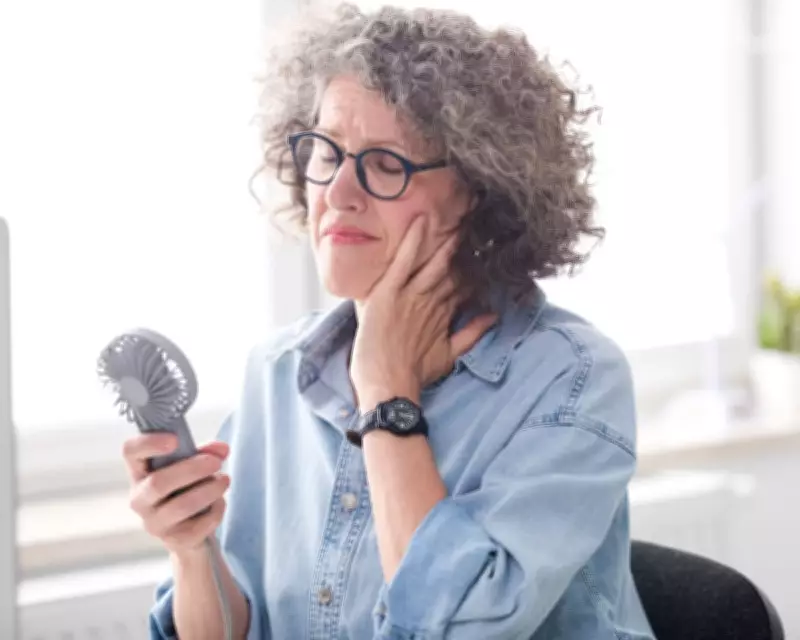
Women do not need menopause tea or meno-friendly nighties. They need doctors who take them seriously. Serious health conditions are being misdiagnosed, and pregnancies are missed while the internet swells with terrible advice and meno-products.
Are you tired all the time, sweaty and hot, or headachy? Do you have a range of vague complaints such as laziness, hysteria, dissolute habits, or general languishing that would have seen you committed to a 19th-century asylum? Are you lacking in joie de vivre? Maybe you are perimenopausal. Or maybe you are not: being tired, hot, and over everything are also symptoms of simply being alive in spring 2026. That is not what the internet wants you to believe, though. Last week, experts issued a warning about the deluge of perimenopause and menopause misinformation online and the risks that can pose to women, including unwanted pregnancies and a failure to seek a diagnosis for serious health conditions.
The Misinformation Crisis
Dr Paula Briggs, a consultant in sexual and reproductive health, said, “Everyone thinks they’re menopausal.” She cited the unwanted pregnancies she had seen in abortion care services among “gobsmacked” women who thought they were no longer fertile. “I look at things like Instagram… and I am horrified,” Briggs added. Dr Channa Jayasena, a reproductive endocrinology expert, said there was “a risk that some women are being mislabelled as having perimenopause when they have other things that are wrong.” The campaigning gynaecologist Dr Jen Gunter has also warned against this.
At best, the misinformation hits women in the wallet. In the US, doctors recently warned about the “very aggressive” marketing of meno-washed products and supplements that make big promises without good scientific evidence. I barely notice this stuff now, I realise. It is the online water in which I, a midlife woman, swim: dire warnings about depleted bone density and “menobelly”; surprising symptoms; targeted ads for collagen and creatine; influencers flogging supplements; “support” services offering hormonal testing and online testosterone prescriptions; menopause “cool moments” tea; menopause chocolate; “moisture-wicking” meno-friendly nighties. A frustrated menopause specialist pharmacist posted her own, only slightly more absurd, version on LinkedIn: a meno-pen; meno-tape, for when your life is falling apart; meno-water (“same product, higher price”).
Impact on Women’s Health
All that meno-messaging can influence your appraisal of what is happening in your brain and body. Things I have attributed to hormonal depletion recently include repeatedly losing my keys and headphones, an inability to focus on an article about the US political adviser Stephen Miller, hiding pecan nuts from my husband, aching hips, and a pervasive sense of “What’s the point?” Maybe it is perimenopause; maybe I am just human.
The thing is, women are used to having to help themselves when it comes to their health. Centuries of medical misogyny (the kind that saw women put in asylums for “uterine derangement”) meant our health concerns were dismissed and minimised, and that continues. Endometriosis sufferers struggle, often for years, to get a diagnosis and report feeling they are “gaslit by doctors.” The recent “rebranding” of PCOS as polyendocrine metabolic ovarian syndrome (PMOS) sought to address a history of poor support, confusion, and struggles with diagnosis for sufferers. Women’s postnatal health concerns are neglected by “dangerously underfunded” services in the UK and elsewhere. A doctor recently wrote an op-ed in the New York Times about struggling to find treatment for serious postpartum issues. A Mumsnet report drawing on a decade of users’ posts paints a picture of a system where women fail to get the healthcare they need, with symptoms “brushed aside, treated as psychological, or simply not believed.” In a survey published with the report, 64% said they had been explicitly told pain or symptoms were “normal” or “in their head.”
So women become, by necessity, detectives and DIYers, relying on word of mouth, tipoffs, trial and error, and alternative remedies when the medical establishment fails them. Maybe the fatigue and pain your overstretched GP does not seem worried about, or particularly interested in, is perimenopause? It might be; you can see why women decide it is at least worth investigating, maybe trying a supplement or shelling out for an online consultation.
The Menopause Gold Rush
For unscrupulous or at least unbothered online entrepreneurs, that also makes women easy marks. This menopause gold rush is capitalising on women’s health not being taken seriously – at best it is cynical, and at worst, actively harmful. It is enough to make any woman hot under the collar – though of course, there is a £15.99 “Menopause & Me wearable neck fan” for that.
Emma Beddington is a Guardian columnist. Do you have an opinion on the issues raised in this article? If you would like to submit a response of up to 300 words by email to be considered for publication in our letters section, please click here.




