
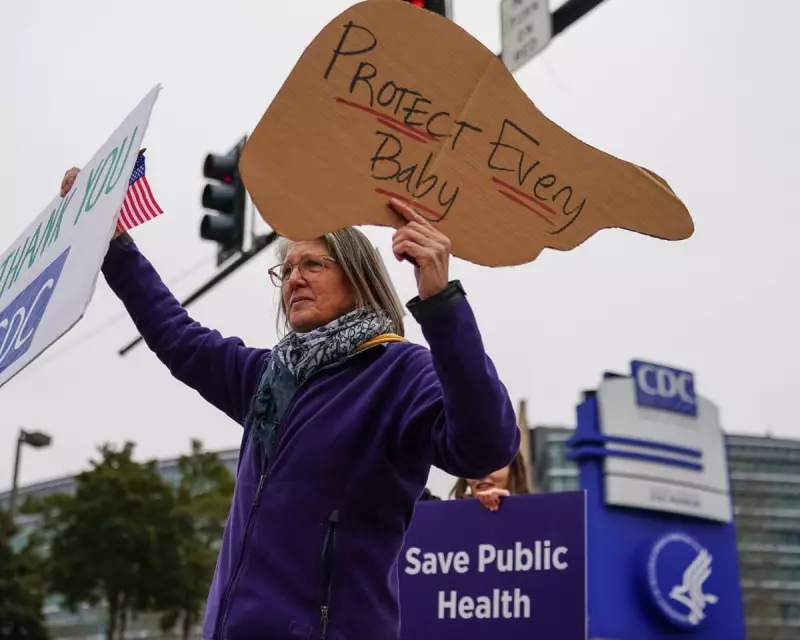
A crucial vote on the future of infant hepatitis B vaccinations in the United States is set to take place, following two postponements and a highly charged meeting of a federal advisory panel. The decision could reshape a public health policy that has been in place for more than three decades.
Contentious Debate Precedes Crucial Vote
The Advisory Committee on Immunization Practices (ACIP), which guides the Centers for Disease Control and Prevention (CDC) on vaccine use, was expected to vote on Friday. This follows a tense first day of meetings on Thursday, marked by heated debate over potentially restricting access to the hepatitis B shot for newborns. The panel deferred the vote by a day to allow members more time to review the precise wording of the proposal.
The current recommendation, in place since the 1990s, advises that all infants receive the vaccine within 24 hours of birth. This policy aims to prevent hepatitis B infection, which can lead to serious liver damage, and the vaccine has been administered to an estimated 1.4 billion people worldwide.
New Panel Composition Under Kennedy's Influence
The meeting in Atlanta presented no new evidence of harm from the vaccine. However, the composition of the panel itself has become a focal point of controversy. The committee is now hand-picked by Robert F. Kennedy Jr., the controversial health secretary appointed by Donald Trump, who is himself a prominent anti-vaccine activist.
Earlier this year, Kennedy dismissed all 17 previous members of the ACIP. He has filled the committee with his own appointees, including several vaccine sceptics who support his agenda to overhaul—and in some cases scrap—longstanding immunisation schedules. The panel's membership shifted again this week with the departure of the recent chair, Dr. Martin Kulldorff. He was replaced by Dr. Kirk Milhoan, a cardiologist known for his criticism of Covid-19 vaccines.
Experts Warn of Far-Reaching Health Consequences
Public health experts have warned that any change to the newborn hepatitis B vaccine schedule could have significant and far-reaching consequences for childhood health across the US. Kennedy has long advocated for delaying the shot.
The debate was illustrated in a sharp exchange during Thursday's meeting. ACIP member Joseph Hibbeln, a psychiatrist and neuroscientist, questioned author Mark Blaxill—a recent senior adviser at the CDC who has argued vaccines cause autism—about the evidence for harm. "Is there any specific evidence of harm of giving this vaccination before 30 days? Or is this speculation?" Hibbeln asked. Blaxill responded, "There is limited evidence about the long-term risk," to which Hibbeln replied, "So this was speculation and limited evidence. OK, got it."
It is important to note that the ACIP can only make recommendations. The final decision rests with the acting head of the CDC, Jim O'Neill. The previous director, Susan Monarez, was ousted by the Trump administration in August after the White House claimed she was "not aligned" with the president's agenda.




