
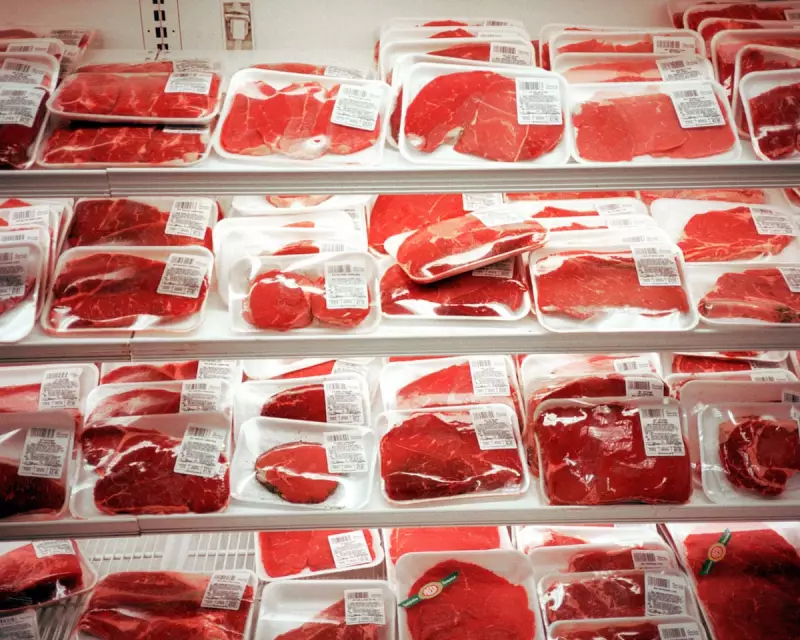
US Meat Production Sees Sharp 16% Rise in Antibiotic Use During 2024
A concerning new federal report has documented a significant 16% increase in antibiotic use within US meat production during 2024. This represents the highest annual jump since the government first began tracking this critical data, signalling a major reversal in efforts to curb the practice.
Medically Important Drugs and the Superbug Threat
The data specifically covers "medically important" antibiotics, which are identical to drugs used in human medicine, including commonly prescribed treatments like the Z-Pak. This sharp uptick is raising serious alarms among health advocates about the potential acceleration of antibiotic-resistant pathogens, often termed "superbugs."
These drug-resistant infections already sicken millions of people every year and are linked to tens of thousands of deaths. Beyond resistance, many of these antibiotics carry additional potential health risks for consumers, including associations with cancer.
Contradicting Federal Goals and Industry Pledges
This substantial increase occurred despite ongoing federal initiatives designed to rein in the use of these crucial antibiotics and despite previous industry commitments to reduce reliance on them. Following a notable decline nearly a decade ago, the general trend for antibiotic use in livestock has been creeping upward, with 2024 marking a dramatic spike.
While antibiotic use in chicken and turkey production saw dramatic percentage increases of nearly 80% and 25% respectively, their overall usage remains far below the peaks seen in 2015. Conversely, antibiotic use in beef and pork had dropped to historic lows around that same period but has been steadily climbing since, culminating in the approximate 16% surge recorded for 2024.
Cattle and Pigs: The Primary Concern
Advocates highlight that increases in antibiotic use for cattle and pigs are particularly alarming. These two livestock categories collectively account for a staggering 85% of all antibiotics used in American meat production, making any upward trend in their usage disproportionately significant.
Steve Roach, Safe and Healthy Food Program Director at the Food Animal Concerns Trust, suggests that many large-scale factory farms are abandoning efforts to reduce antibiotics primarily for financial reasons. Some operations may also be utilising the medicines to promote animal growth, a practice officially restricted but difficult to monitor.
"It's easier and cheaper to administer antibiotics than to invest in the healthier living conditions required for animals in intensive farming facilities," Roach explained. "With public attention fading and a lack of robust government enforcement, the industry is opting for the simpler, more cost-effective choice."
Production Levels Versus Drug Use
Notably, this rise in antibiotic application happened even as meat producers raised fewer cattle and turkeys in 2024 compared to 2023. Production of pigs and chickens increased by less than 1%, indicating that the jump in drug use is not directly correlated with a surge in animal numbers but rather represents an intensification of practice.
Regulatory Landscape and Enforcement Gaps
The 2024 data represents the final year of the Biden administration's reporting. There is currently little evidence to suggest a policy shift at the Food and Drug Administration (FDA), which regulates livestock antibiotics, under the current administration.
While FDA Administrator Martin Makary has previously called for reduced antibiotic use, and the agency instituted a rule in 2013 aimed at stopping the use of medically important drugs for growth promotion, significant loopholes and enforcement questions remain.
"How much enforcement there is on that is questionable," Roach stated. The rule allows these same drugs to be used for disease prevention, a category that factory farms can exploit, especially given the often unsanitary conditions that facilitate disease spread. Using antibiotics for prevention remains cheaper than overhauling farm operations, and these drugs still promote growth even when administered for preventative purposes.
Health Impacts and Consumer Guidance
The US recorded over 2.8 million antibiotic-resistant infections and 35,000 related deaths in 2024. Individuals at highest risk include workers in the livestock and meat industries, children, the elderly, and those with chronic illnesses.
Kestrel Burcham, Policy Director at the Cornucopia Institute, notes a growing body of peer-reviewed research pointing to wider health risks from antibiotic residues in meat than previously understood. Recent studies indicate that even low-dose residues can disrupt the human gut microbiome, potentially leading to broad, though hard-to-quantify, health consequences.
For consumers wishing to avoid these risks, Burcham advises that purchasing certified organic meat and dairy is the most reliable method. Organic standards prohibit the routine use of antibiotics; if an organic animal requires treatment, its products cannot be sold as organic. Claims like "antibiotic-free" on packaging lack a legal definition and are not as rigorously verified as the organic certification.
"It's not as rigorous as organic," Burcham concluded, emphasising the importance of the certified organic label for those seeking to minimise exposure.




