
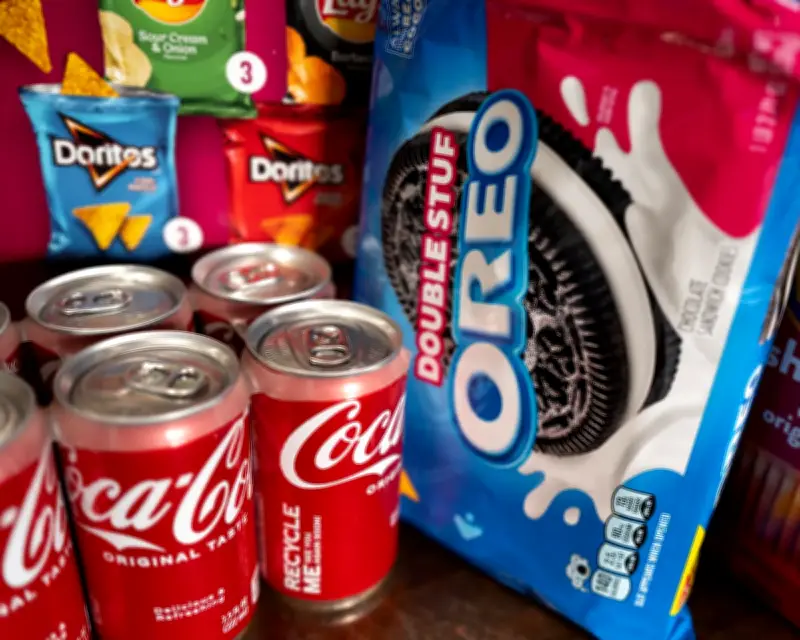
An investigation by the Guardian, Lighthouse Reports, and media partners across four continents has found that the world's biggest ultra-processed food (UPF) companies have filed 235 lawsuits against governments in Mexico, Colombia, Brazil, the US, and the UK from 2010 to 2025. These legal actions challenge policies aimed at tackling unhealthy diets, such as front-of-pack warning labels, marketing restrictions, and taxes on junk food.
Companies behind the lawsuits
Three-quarters of the lawsuits were filed by UPF manufacturers or their trade associations. Where the plaintiff was identifiable, 38% of cases were brought by eight parent corporations: Coca-Cola, PepsiCo, Mondelēz, Kellogg's, Danone, Ferrero, Xignux, and Heartland Food Products Group. Some companies requested courts withhold their names.
Of the resolved cases, three-quarters were lost by the food giants. However, the legal battles added up to almost 600 years in court, delaying vital public health policies and costing governments billions in legal and healthcare expenses.
Impact on public health
Ultra-processed food is linked to harm in every major organ system and contributes to obesity, type 2 diabetes, heart disease, and mental ill health. UPF now makes up as much as half the average diet in countries like the UK, US, and Australia. Governments have adopted measures to curb consumption, but the investigation reveals that companies are using litigation to obstruct these policies.
Marion Nestle, professor of nutrition at New York University, said: “The lawsuits tell us that public health measures reduce sales of unhealthful products.” She accused food companies of following the tobacco industry playbook: “When all else fails, sue.”
Regional focus: Latin America leads in lawsuits
Most lawsuits were filed in Mexico (193), Colombia (18), and Brazil (17). Latin America has been a global leader in adopting strong food environment policies, making it a key testing ground for both public health innovation and industry resistance. Katherine Shats, a legal specialist at Unicef, noted similar patterns with tobacco control laws.
Melissa Mialon, associate professor at Inserm, explained: “The industry doesn't want front-of-pack labelling because it's a first step toward classifying products for healthiness, then it gets easier to tax them and restrict marketing.”
UK and US cases
There were six lawsuits in the US and one in the UK. Chris van Tulleken, author of Ultra-Processed People, said the UK's regulations are “so shot through with loopholes and exemptions” that the food industry doesn't need to sue often. He added: “People in the government are terrified of these lawsuits.”
Industry response
A Coca-Cola spokesperson said the company believes public health challenges are best addressed through collaboration. A Ferrero spokesperson said the company supports public health objectives and engaged for clarity on policy implementation. A Danone spokesperson affirmed commitment to open dialogue. PepsiCo, Mondelēz, Kellogg's, Xignux, and Heartland Food Products Group did not respond to requests for comment.




