
The UK's Pandemic Journey: From First Case to 'Freedom Day'
A damning report has concluded that all four UK governments failed to grasp the scale of the threat posed by COVID-19 or the urgency required in their initial response. As the findings are published, we look back at the key moments that defined the nation's battle against the virus.
The Early Days and First Lockdown
The crisis began far from UK shores. On 9 January 2020, a 61-year-old man died in Wuhan, China, marking the first known death from the new coronavirus. The virus soon reached Britain, with the first UK death believed to be 84-year-old Peter Attwood from Chatham, Kent, on 30 January.
By February, the government declared the virus a 'serious and imminent threat' and published its action plan in March. In a move that would later be heavily scrutinised, Prime Minister Boris Johnson publicly stated he was continuing to shake hands. However, the rapidly worsening situation forced unprecedented action.
On 23 March 2020, Mr Johnson placed the UK into its first national lockdown, telling people to stay at home. Pubs, restaurants, and non-essential shops were shuttered, and social gatherings were banned. This was swiftly followed by a massive economic intervention, with Chancellor Rishi Sunak announcing the furlough scheme to cover 80% of employees' salaries.
The virus did not spare the highest levels of government. The Prime Minister himself tested positive for COVID-19 on 27 March and was later admitted to hospital, spending three nights in intensive care. During this period, the Queen delivered a rare address to the nation, offering reassurance that 'we will succeed' in the fight.
Easing, Waves, and the Vaccine Hope
By summer, the first lockdown began to ease, but the path was far from smooth. The controversy surrounding Dominic Cummings' trip to County Durham during lockdown erupted in May, with the adviser defending his actions in an unprecedented Downing Street press conference.
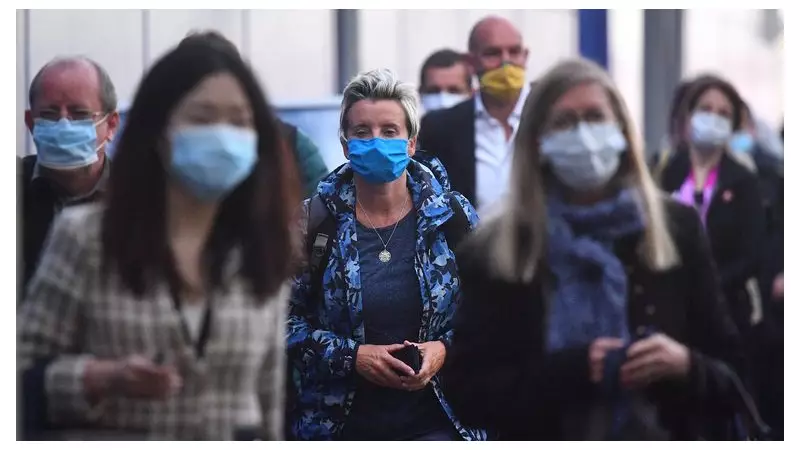
As restrictions lifted, new measures were introduced, including the mandatory use of face coverings on public transport in England from 15 June. The government launched initiatives like the 'Eat Out to Help Out' scheme in August to boost the hospitality sector.
However, rising cases led to a new localised tier system in October and eventually a second national lockdown for England in November. Amid the gloom, a beacon of hope emerged with the announcement that the Pfizer/BioNTech vaccine was 90% effective. The UK vaccination programme began on 8 December, with Margaret Keenan, 90, becoming the first person in the world to receive the Pfizer jab outside a trial.
This hope was tempered by the discovery of a new, fast-spreading variant, leading to Tier 4 restrictions and the effective cancellation of Christmas plans for millions.
A Long Road to Freedom
January 2021 began with a third national lockdown as infection rates soared. Later that month, the UK reached the sombre milestone of more than 100,000 coronavirus deaths. Prime Minister Johnson said it was 'hard to compute the sorrow' but insisted the government had 'truly did everything we could'.
The successful vaccine rollout paved the way for a cautious, phased exit from lockdown throughout the spring and summer of 2021. The final step, dubbed 'Freedom Day' on 19 July 2021, saw most legal limits on social contact removed in England.
The pandemic continued to present challenges, including the resignation of Health Secretary Matt Hancock after he was found to have broken coronavirus rules, and the introduction of 'Plan B' measures in December 2021 to combat the Omicron variant.
Finally, on 21 February 2022, Boris Johnson announced the lifting of the last domestic COVID restrictions in England, marking the end of a two-year period that profoundly changed the nation.




