
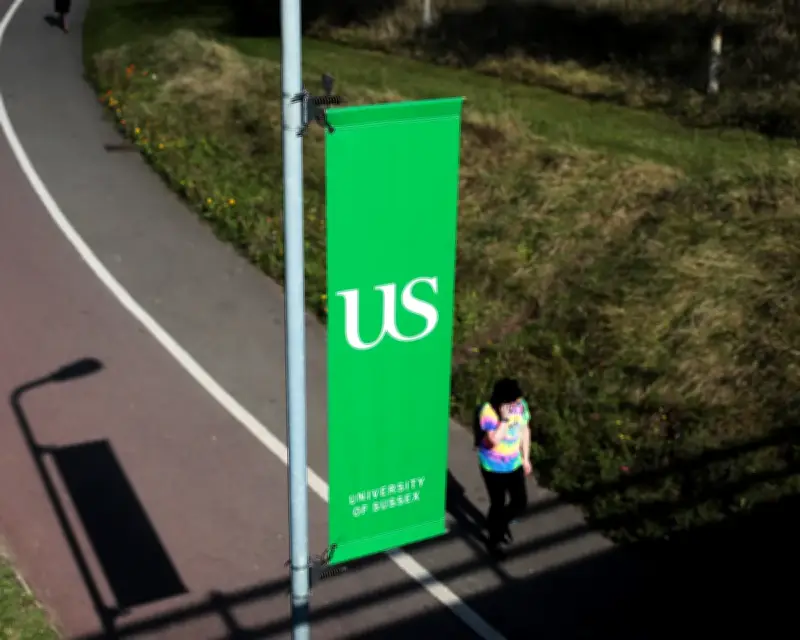
England's higher education regulator, the Office for Students (OfS), has issued an apology for a series of errors in its decision to fine the University of Sussex a record £585,000, a penalty later overturned by the High Court. The apology comes alongside a 'lessons learned' report outlining reforms to the regulator's approach.
Background of the Fine and Its Overturning
The OfS imposed the fine last year, alleging that the university had breached free speech regulations in its handling of former professor Kathleen Stock. Stock resigned from Sussex in 2021 following campus protests over her views on transgender rights and gender identity.
In April, the University of Sussex initiated a judicial review, which led to the High Court ruling that the OfS 'had closed its mind' and acted with bias. The court's decision forced the regulator to abandon the fine.
Regulator's Apology and Promised Reforms
In a statement, the OfS said: 'The OfS made mistakes in the Sussex case, which we regret. The actions we are announcing today show our continuing commitment to learning the lessons from this case with humility and honesty.'
Among the changes promised in the 'lessons learned' report are 'ensuring respectful relationships with higher education providers' and using 'alternative forms of intervention where possible to effect change' before resorting to enforcement actions like fines. These reforms aim to address the adversarial approach criticised by the High Court.
University's Response and Concerns
Prof Sasha Roseneil, Sussex's vice-chancellor, welcomed the OfS's acknowledgement of its mistakes but expressed concern that the reform plans 'fell short' in several areas.
Roseneil said: '[The report] reveals deep cultural problems within the OfS in relation to freedom of expression and internal challenge, and it is heartening to see the new leadership setting different expectations for the organisation, expectations that are more appropriate for a public institution, trusted to regulate one of the most important sectors in a democratic society.'
She added: 'However, the report does not fully reflect the breadth or the seriousness of the high court's findings or all the lessons that could be learned from the case. It is also disappointing that the review missed the opportunity to engage with the University of Sussex when their lack of engagement was roundly criticised by the high court.'
KPMG Review and Leadership Changes
The High Court's findings were supported by an internal review by KPMG, commissioned by the OfS and published in summary on Thursday. KPMG criticised the regulator for being adversarial, having gaps in its written records, and lacking clear accountability.
According to the review's summary: 'It appears that insufficient emphasis was placed on maintaining constructive engagement and dialogue with higher education providers, which contributed to relationships becoming increasingly adversarial.'
KPMG also noted that the investigation team was composed of particularly senior staff due to the case's novelty and complexity, but 'the concentration of decision making and delivery responsibilities within a relatively small group reduced the opportunity for independent challenge and fresh perspectives.'
The OfS's chair, Edward Peck, and chief executives Ruth Hannant and Polly Payne, thanked the University of Sussex's leadership 'for the frank discussions and insightful commentary leading to this point.' Hannant and Payne took over as chief executives in June and had no prior involvement in the decision to fine Sussex.




