
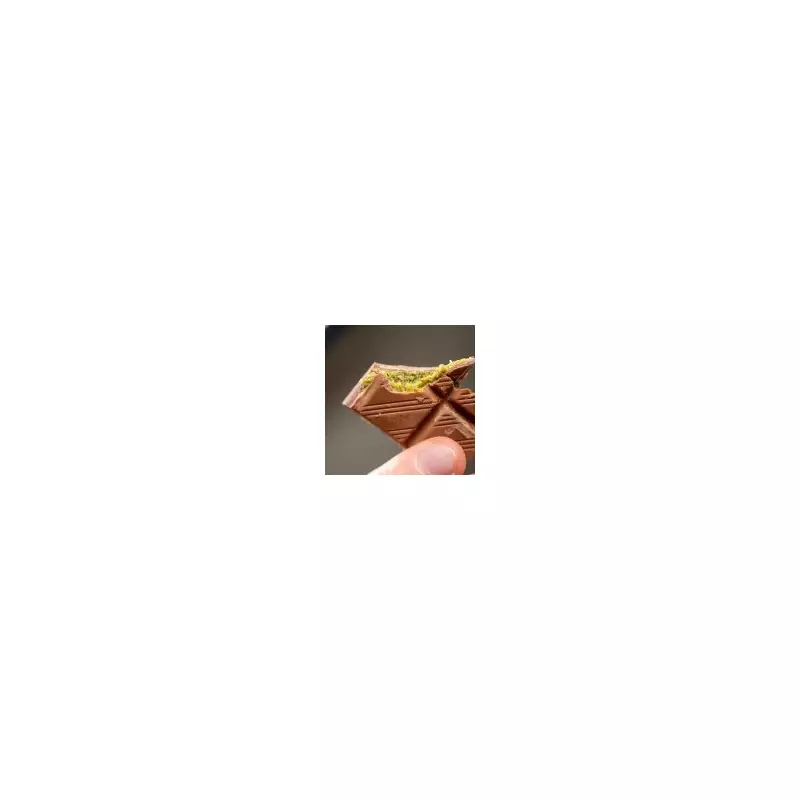
The UK's food safety watchdog has issued an urgent warning to people with allergies, urging them to avoid a hugely popular type of chocolate inspired by Middle Eastern flavours.
Undisclosed Allergens Found in Popular Treat
The Food Standards Agency (FSA) has revealed that several Dubai-style chocolate products have failed to meet UK food standards. The organisation's testing discovered that some bars contain peanut and sesame which are not declared on the label, creating a potentially lethal risk for unsuspecting consumers.
Rebecca Sudworth, the FSA's director of policy, stated plainly: 'People with an allergy should not eat Dubai-style chocolate.' She expanded the warning to gift-buyers, advising: 'If you're buying a gift for someone who lives with allergies, our advice is to avoid buying these products. This includes all allergies, not just peanut and sesame.'
The FSA emphasised that it would be 'dangerous' for consumers with allergies to purchase the bars and is currently reviewing sampling data from products on sale. As a precaution, they urge those with allergies to avoid the chocolate until the investigation concludes.
Clear Legal Breach and Industry Response
Jessica Merryfield, head of policy at the Chartered Trading Standards Institute (CTSI), underscored the seriousness of the breach. 'The legal requirements on this are clear – any food containing allergens needs to be clearly identified and labelled,' she said. 'To not do this is illegal and also highly dangerous.'
The CTSI has called on all food businesses, including retailers and importers, to take immediate steps to ensure compliance. The FSA did note that people without allergies can still consume these products, particularly those from reputable brands and retailers.
The Meteoric Rise of a Viral Sensation
Dubai chocolate, typically filled with pistachio cream, tahini, and crispy shredded filo pastry (knafeh), was first launched in 2021 by Dubai-based Fix Dessert Chocolatier. Its popularity in the UK exploded this year after food influencer Maria Vehera shared a TikTok video of herself trying it. The video amassed over 120 million views, triggering a nationwide craze.
Major brands like Lindt, Nestlé, and supermarket Lidl quickly launched their own versions to capitalise on the trend. Lindt's copy reportedly sold out on TikTok Shop in just 72 minutes.
The extraordinary demand had a global knock-on effect, contributing to a worldwide pistachio shortage. Giles Hacking of nut trading firm CG Hacking told the Financial Times the industry was 'tapped out'. Data shows Iran, the world's second-largest producer, exported 40% more pistachios to the UAE between September 2024 and March 2025 than in the entire previous 12 months.
The FSA's warning serves as a critical reminder of the importance of accurate food labelling, especially for products that gain rapid, viral popularity.




