
Stockpile Essentials: UK Experts Urge Emergency Food Stores Amid Rising Risks
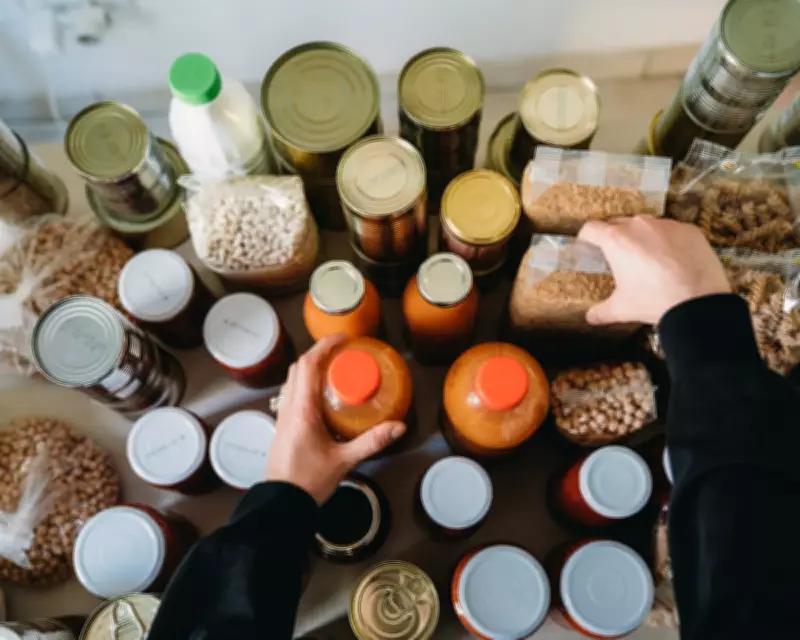
In an increasingly turbulent world, leading UK experts are advising households to build emergency stockpiles of food to prepare for potential disruptions from conflicts, extreme weather, or cyber-attacks. They emphasize focusing on long-life, no-cook items such as tinned beans, vegetables, fish, rice crackers, and oats that can be soaked, while also including personal favorites and treats like chocolate or crisps to boost morale.
Water storage is critical, with recommendations of 7 to 12 liters per person per day for drinking and washing. Perhaps the most surprising advice is to share stockpiles with neighbors, as many cannot afford to prepare, and social cohesion is vital to prevent civil unrest during crises.
Why Stockpiling Matters for Social Stability
Professor Tim Lang highlights that resilience in shocks, wars, or conflicts depends on maintaining social solidarity. A February report from top food experts warned that chronic issues like low incomes and fragile supply chains have made the UK food system a "tinderbox," with risks of social unrest and food riots. Lang criticizes the UK government for complacency, noting it lacks official stockpiling efforts compared to countries like Switzerland.
A 2024 government report uncovered that climate change and geopolitical instability could put the nation at "strategic risk of catastrophic failure" by 2030. Already, UK glasshouse growers have warned of shortages of cucumbers, tomatoes, and peppers due to soaring gas prices, underscoring the urgency of preparedness.
International Examples and Practical Guidance
Countries like Switzerland, Germany, Latvia, Lithuania, and Sweden take emergency preparedness seriously, offering detailed guidelines for citizens. For instance, Switzerland provides a website that generates customized stockpile lists based on family size, dietary needs, and pets. A sample week's supply for a family of four includes 20 tins of vegetables, seven packets of instant soup, salami, coffee, and 47 bottles of water.
In contrast, the UK's Prepare website offers minimal advice, which Lang calls "stupid." He advocates for more specific government guidance to protect citizens. Lang personally stores items like beans, sardines, and oats, and recommends growing herbs or vegetables to enhance meals during emergencies.
Expert Insights and Personal Stockpiles
Professor Sarah Bridle from the University of York supports emergency food stores, advising people to choose items they enjoy eating to avoid waste. She incorporates long-life foods like beans and lentils into her daily diet, ensuring her stockpile is practical. Treats such as crisps or chocolate are also recommended, especially for children.
Environmental campaigner George Monbiot revealed his stockpile includes 25kg of rice, chickpeas, flour, oats, and tinned tomatoes, along with home-grown vegetables, providing about two months' supply for his family. He warns of the fragility of the food system, stressing that home stockpiles can buy time for authorities during emergencies.
Government Response and Call to Action
A spokesperson for the UK's Department for Environment, Food and Rural Affairs stated that the country has a high degree of food security, with 60% domestic production and stable trade routes. They monitor developments in the Middle East but see no need for consumers to change buying behaviors.
Lang accuses the government of being "way, way behind" and urges citizens to write to their MPs to pressure for more realistic preparedness measures. He argues that preparing for food shocks is not catastrophizing but a sensible, grown-up approach to safeguarding against potential crises.




