
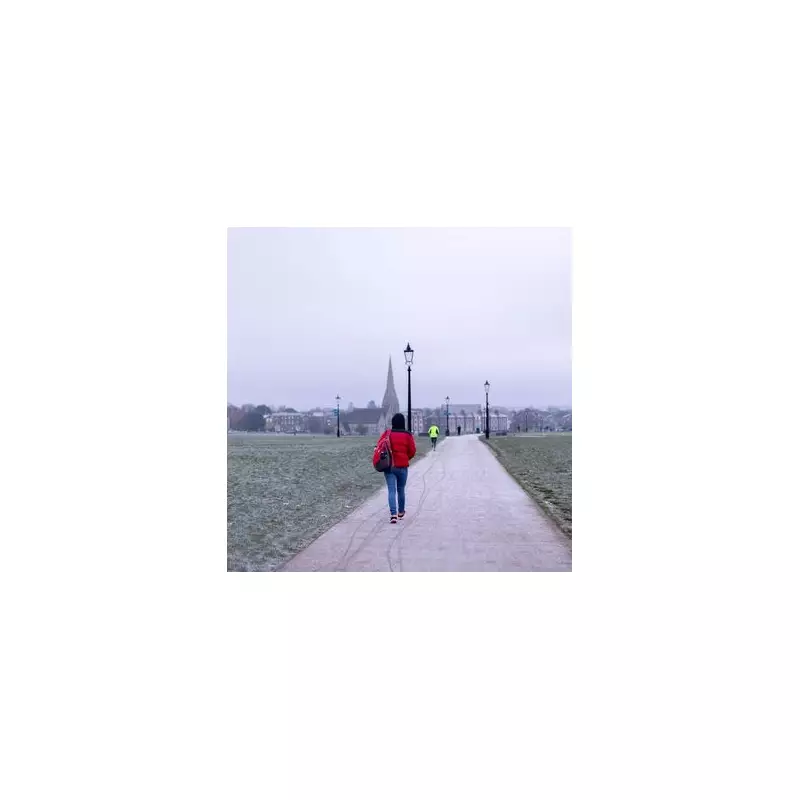
The UK Health Security Agency (UKHSA) has issued a critical yellow cold weather alert as a sharp freeze grips the nation, posing significant health threats to vulnerable populations.
Who is Most at Risk from the Cold?
The biting cold sweeping across the UK this week is more than just an inconvenience; it carries serious health implications. The UKHSA has identified nine specific groups who face the highest risk of health complications during this period of plummeting temperatures.
The warning, which remains in force until 8am on Friday, 21 November, covers the North East, North West, East Midlands, West Midlands, and Yorkshire and The Humber.
According to the UKHSA, the most vulnerable groups include:
- Individuals with long-term health conditions, such as cardiovascular or respiratory disease
- People with mental health conditions
- Those living in deprived circumstances
- Pregnant women
- People aged 65 years and over
- Those who are housebound or have low mobility
- Young children, especially those aged 5 and under
- People with learning disabilities
- Individuals at risk of falls
- People who live alone and may be unable to care for themselves
Understanding the Cold Snap and Its Dangers
Met Office chief meteorologist Dan Holley has explained that this cold wave is being driven by high pressure to the northwest of the UK. This has resulted in a dramatic temperature drop following a period of above-average warmth for the time of year, with some areas, including parts of Greater London, already experiencing snow and ice.
While winter often brings a rise in seasonal illnesses like flu and Covid-19, the cold itself can directly worsen symptoms for those with pre-existing conditions. External factors such as poor-quality housing, icy conditions, and higher rates of infectious diseases can further increase vulnerability.
How to Protect Yourself and Your Home
Experts urge vulnerable individuals to take immediate precautions. A key step is ensuring your home remains adequately heated. Rooms where you spend most of your time should be kept at a minimum of 18°C (64°F).
If your home struggles to retain heat, consider these practical measures:
- Check for and seal draughts around doors and windows.
- Ensure your property has sufficient insulation to prevent heat loss.
For those concerned about the health impacts of cold weather, the UKHSA offers a weather health alert service. This provides early warnings of severe temperatures that could affect your wellbeing. You can register for these vital alerts online to stay informed.




