
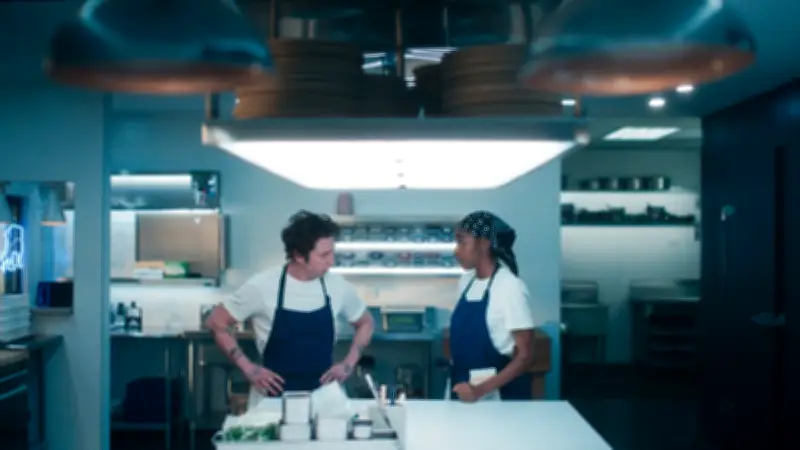
Seema Jilani, a pediatric hospitalist, argues that the television series The Bear offers a more authentic portrayal of hospital medicine than The Pitt, despite the latter's praised depiction of emergency room challenges. Drawing on her experience as a consultant for The Pitt, Jilani asserts that the chaotic intensity and emotional depth of The Bear resonate more closely with the realities of medical training and practice.
Shared Struggles: Doctors and Chefs
Jilani draws parallels between the abusive training, relentless pursuit of perfection, and high rates of mental health issues in both medicine and culinary arts. Both professions involve years of exploitation, insults, and chronic sleep deprivation, leading to disproportionately higher rates of depression, anxiety, addiction, and suicide. She cites a scene from The Bear where a chef berates employees, echoing the harshness of medical school anatomy classes.
The Pitt vs. The Bear: Different Perspectives
While The Pitt focuses on systemic issues like insurance and mental health care, The Bear captures the frenetic back-of-house turbulence and airtight camaraderie among staff—elements Jilani recognizes from hospital work. She recounts a night in the ER where, after meticulously caring for a deceased child, she had to immediately attend to an angry patient, highlighting the raw reality of public-facing professions.
Celebrating Ordinary Joy and Human Connection
Beyond trauma, The Bear celebrates the joy of ordinary moments, such as offering comfort through food or presence. Jilani notes that both doctors and chefs share an unspoken language and bodily familiarity, forged through years of working together at odd hours. She reflects on a personal memory of a Texas barbecue brisket shared with a surgeon, which remains more vivid than the relationship itself.
According to Jilani, the bond between doctors and chefs is one of collective fatigue, abject frustration, and sacred silences—a connection that The Bear portrays with authenticity.




