
Sydney's Shocking Homelessness Tragedy: A City's Wake-Up Call
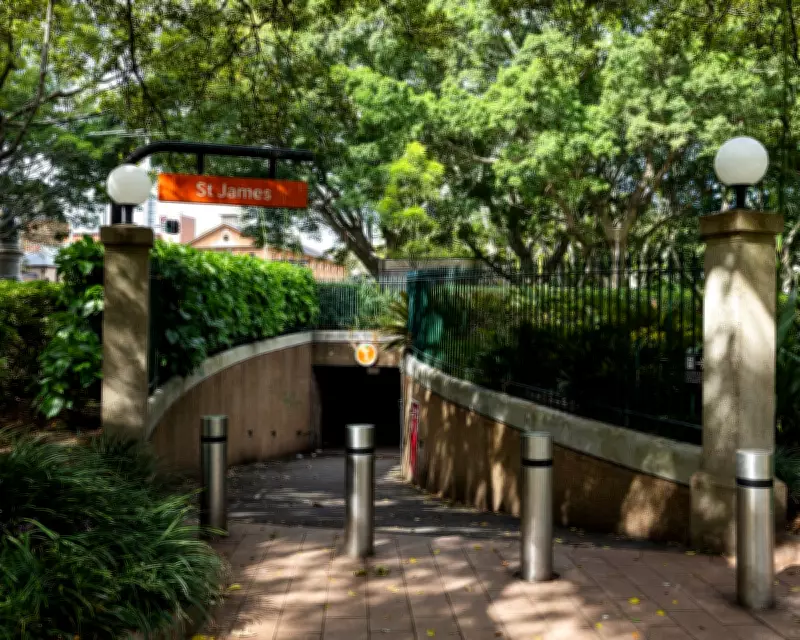
The death of Bikram Lama, known as Sydney's 'birdman' of the St James tunnel, has sent shockwaves through the community, forcing residents to confront a harsh reality. Could it truly occur in this vibrant metropolis that a man could lie deceased in his sleeping bag on the ground for six full days, adjacent to St James station, while thousands of daily commuters passed by his decomposing body? The answer, tragically, is yes—it did happen here, exposing deep cracks in our social fabric.
A Guardian Investigation Reveals Systemic Failures
A recent Guardian investigation uncovered that Lama, a 32-year-old former international student, died in December at central Sydney's St James station, where he had been sleeping rough. In the days preceding the discovery of his body, up to 100,000 individuals transited through the station. Lama was unable to access essential services due to his status as a non-Australian citizen, highlighting a critical gap in support systems for non-residents trapped in homelessness.
Experts indicate that this growing cohort faces insurmountable barriers: they are ineligible for temporary or social housing, cannot legally work, and are largely excluded from Centrelink payments and public healthcare. This bureaucratic invisibility means survival hinges on private charity, churches, and the decency of fellow citizens—a fragile safety net that failed Lama utterly.
The Unwritten Social Contract: Broken Beyond Repair?
There exists an unwritten contract in any society, one that assumes we acknowledge each other as human beings, offering at least a baseline level of recognition. As Arthur Miller poignantly wrote in Death of a Salesman, "Attention must be paid" to every individual. Yet, in Lama's case, attention was conspicuously absent. The only entities that truly registered his existence were the birds he fed daily in Hyde Park—pigeons that congregated in anticipation of his arrival, noticing his absence in a way no human did.
This neglect stems from multiple factors. In one of Sydney's most densely populated and busy areas, thousands likely overlooked Lama, their eyes glued to smartphones rather than their surroundings. Moreover, the homelessness support system is structurally designed to overlook individuals like him, perpetuating a cycle of invisibility and despair.
Community Interactions: The Bare Minimum of Humanity
In neighborhoods like Kings Cross and Potts Point, where rough sleepers are prevalent, years of regular, neutral interactions—such as eye contact, nods, or brief hellos—form a minimal yet crucial acknowledgment of shared humanity. These small gestures say, "I see you, you exist, you are my neighbor." However, as Sydney grows increasingly individualistic, even these basic standards are eroding, risking a descent into dehumanization.
The apprehension to engage with rough sleepers, driven by fears of escalating demands, has led to a societal pullback from care. This retreat has dire consequences, mirroring trends in places like San Francisco and Los Angeles, where homeless populations are often derogatorily labeled as "zombies" in media discourse. Such rhetoric reflects a hardening of hearts and a loss of communal bonds, threatening the very notion of what it means to live in a society.
A Call to Action: Rebuilding Social Compassion
Lama's death serves as a stark reminder that we must resist becoming like the "zombies" we fear—distracted by digital devices, dissociating from reality, and walking past suffering as if undead. To prevent such tragedies, Sydney must address systemic flaws in homelessness support, foster greater community awareness, and reaffirm our commitment to seeing and valuing every human life. The time for change is now, before more lives are lost in silence.




