
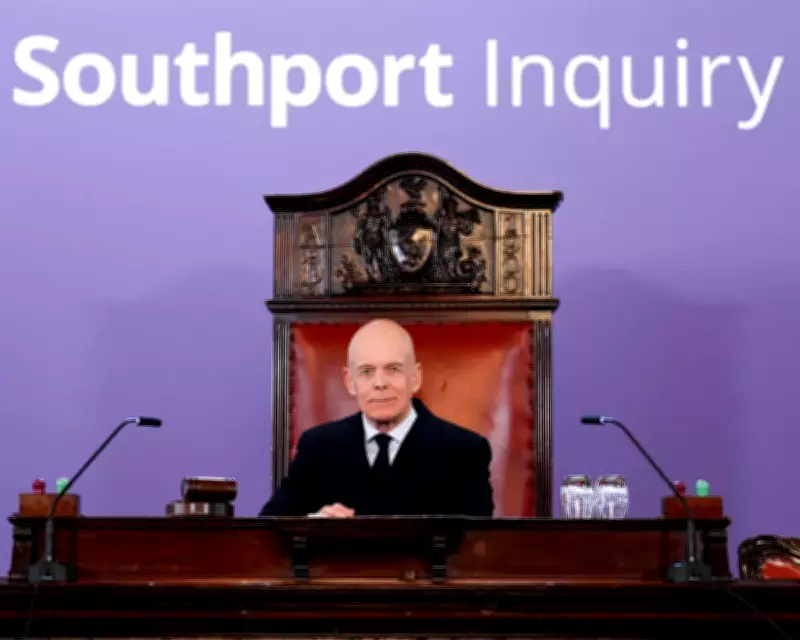
Southport Attack Inquiry Exposes Catastrophic Systemic Failures
A devastating official inquiry has concluded that the Southport attack, which resulted in the murders of three young girls and injuries to ten others, was enabled by catastrophic failures across multiple state agencies and the irresponsible conduct of the perpetrator's parents. Sir Adrian Fulford, chairing the inquiry, delivered a scathing report at Liverpool Town Hall, condemning a culture of buck-passing and inadequate risk management that allowed warning signs to be ignored for years.
Inquiry Highlights Repeated Missed Opportunities
The report, spanning 260 pages, details how Axel Rudakubana, who was 17 at the time of the July 2024 attack at a Taylor Swift-themed holiday club in Southport, had been on the radar of authorities since October 2019. Despite clear and repeated indicators of his violent tendencies, including admissions of murderous thoughts and possession of weapons, agencies failed to intervene effectively. Sir Adrian Fulford stated that the multi-agency model for troubled youth completely failed, with no single organization taking ownership of the risk Rudakubana posed.
Key failures identified include:
- Inadequate sharing of information between agencies, leading to a critical underestimation of risk.
- Missed opportunities, such as in March 2022 when Rudakubana was found with a knife and expressing homicidal intent but was not arrested.
- Repeated referrals to the Prevent counter-terrorism program were dismissed due to a lack of clear ideology, a mistake later acknowledged by counter-terrorism officers.
- Professionals excusing Rudakubana's behavior based on his autism diagnosis, which the inquiry deemed unacceptable and superficial.
Parental Responsibility and Call for Systemic Reform
The inquiry also placed significant blame on Rudakubana's parents, Alphonse Rudakubana and Laetitia Muzayire, for discovering his arsenal of weapons—including knives, a crossbow, petrol bombs, and materials for making ricin—in the weeks before the attack but failing to report it to police. Sir Adrian Fulford emphasized that if this information had been shared, the tragedy could almost certainly have been prevented.
In response to the findings, Prime Minister Keir Starmer pledged to act on the inquiry's recommendations, stressing the need for accountability. The report calls for the establishment of a new dedicated agency or structure to oversee complex offenders and end the inappropriate merry-go-round of referrals between public sector bodies. Sir Adrian Fulford urged that this culture of passing the buck must end to avoid future catastrophes.
Impact on Victims and Families
The attack claimed the lives of Bebe King, six, Alice da Silva Aguiar, nine, and Elsie Dot Stancombe, seven, and left many others with physical and emotional scars. Nicola Ryan-Donnelly, a solicitor representing 22 of the injured children, highlighted the courage of the affected families and called for whole-scale system reform across health, social care, education, and policing. The inquiry's conclusions underscore that this event was not unpredictable but rather the result of systemic neglect that allowed clear warning signs to go unheeded.




