
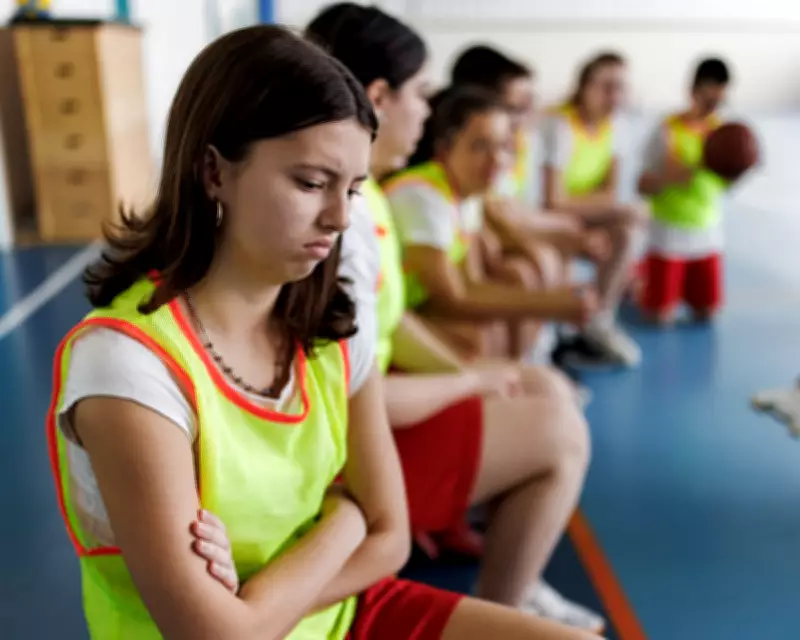
A recent survey by Age UK has revealed that three in 10 British adults aged 50 to 65 were put off exercise for life due to negative memories of school physical education (PE) lessons. The findings have sparked a discussion about the long-term impact of school sports experiences on lifelong physical activity habits.
The Two Kinds of People
According to the survey, there are essentially two types of people: those who enjoyed school PE and those who did not. The author, Emma Beddington, identifies herself as part of the latter group, sharing her own traumatic memories of being forced to walk to the sports field in a tiny synthetic pleated skirt, heckled by locals, and then spending the lesson avoiding projectiles while being shouted at by sporty classmates and bewildered teachers.
Research Confirms Widespread Trauma
A German study from 2024 identified two overarching categories of unsettling PE experiences: the vulnerability of students revealed through inadequacies, and social oppression of those deemed lazy, weak, or unfit. Many individuals experienced both. These experiences can shape lifelong beliefs that physical activity is something one can be bad at, that it is for other people, and that it involves weird outfits and unwelcome attention.
Post-School Exercise Messaging
The author notes that even after school, exercise messaging remains unhelpful. Influencers with improbable physiques tell people they are doing everything wrong, and studios sell an aesthetic that demands a certain look. When Nike placed a giant sign at Peckham parkrun reading, "You didn't come all this way for a walk in the park," many tentative participants likely felt as if they were being shouted at by a whistle-toting PE teacher on a cross-country run.
A Personal Revelation
Beddington shares a recent personal revelation: exercise makes her feel better, not worse. She wishes she had known sooner that movement could feel so good. Reflecting on her school days, she suggests that warmer clothes and fewer ball-based team sports might have helped. If her PE teacher had framed exercise as a way to feel joyfully alive and present, like a happy dog, it might have inspired a lifelong commitment to movement—though she admits she would have been disgusted and scornful at the time.
The article concludes by inviting readers to share their own opinions on the issues raised, with submissions of up to 300 words considered for publication.




