
Five Years After Sarah Everard's Murder: Has London Changed?
Sarah Everard was just 33 years old when she was kidnapped and murdered while walking home in South London on the evening of March 3, 2021. Today marks exactly five years since her tragic death, an event that shocked the entire city and nation, sparking urgent conversations about the everyday dangers women face and the trust placed in institutions meant to protect them. Her name has not been forgotten, serving as a powerful symbol in the ongoing fight for women's safety across the United Kingdom.
Who Was Sarah Everard?
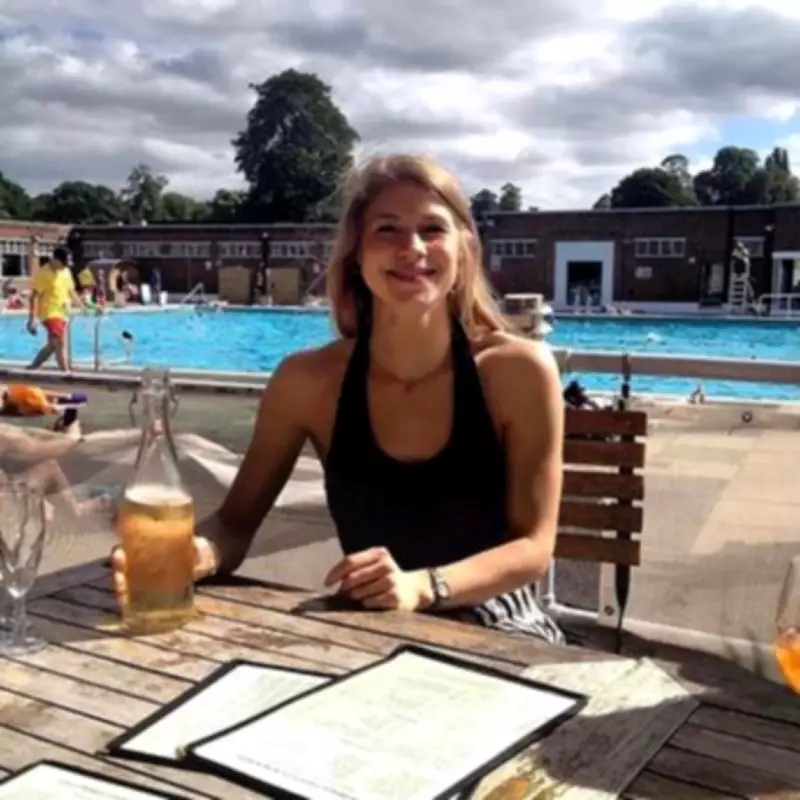
Sarah was much more than a victim. She was a vibrant marketing executive originally from Yorkshire who had made London her home. Growing up in York, she attended Fulford School before studying Human Geography at Durham University from 2005 to 2008. After moving to London, she settled in Brixton, where she loved dancing, was saving to buy her first home, and had built a fulfilling life with her boyfriend, close friends, and beloved family.
Her mother described her as "caring, funny, clever, and strongly principled" in a statement that silenced the courtroom during the trial. Her school remembered her as "a vibrant, caring and much valued member of our school community" whose joy and positive spirit shone brightly. Sarah represented every Londoner—a friend, sister, colleague, or someone you might pass during your daily routine—and this universality turned her story into a national rallying cry.
The Night That Changed Everything
On that ordinary Wednesday evening, Sarah had spent time at a friend's flat on Leathwaite Road in Clapham, sharing a bottle of red wine she purchased on her way. She left just after 9 PM, beginning what should have been a 50-minute walk home along the South Circular and across Clapham Common. During her walk, she called her boyfriend for about 15 minutes, making plans for the next day and sounding happy according to his later testimony. The call ended at 9:28 PM—the last time anyone heard from her alive.
By the following morning, concern turned to alarm when she failed to text about arriving home—something she always did—and missed a work meeting. Her boyfriend's messages went unanswered, prompting him to visit her flat and, finding no response, contact the police. What followed was a massive public search involving 750 homes visited, 100 calls received, and extensive combing of Clapham Common and surrounding areas by search and rescue teams.
The Abduction and Murder
Footage from multiple dashcams and a passing bus captured the chilling moment of Sarah's disappearance. At 9:34 PM—just six minutes after her phone call ended—she stood on Poynders Road beside a white hire car with Wayne Couzens, a 48-year-old serving Metropolitan Police officer. Couzens showed her his warrant card and falsely claimed she was under arrest for breaching COVID restrictions. As she sat on the pavement to be handcuffed, a passing car slowed to watch what appeared to be a legitimate arrest.
In reality, this was a meticulously planned kidnapping. Couzens drove Sarah 80 miles to woodland in Kent, where he raped and strangled her before burning her body and dumping her remains in a pond. Shockingly, in the hours following the murder, he stopped at a service station to buy drinks and visited a Costa coffee shop, displaying chilling normalcy. Sarah was found on March 10 and had to be identified through dental records.
The Perpetrator and Institutional Failures
Wayne Couzens' arrest on March 9 revealed disturbing patterns that should have prevented his continued service as a police officer. Three weeks before killing Sarah, he had exposed himself to a female McDonald's employee in Swanley, Kent—an incident that was reported to police who were still gathering evidence days before the murder. Colleagues had nicknamed him "the rapist," and there had been previous indecent exposure allegations in 2015, along with reports of him taking prostitutes to police events.
None of these red flags ended his career or removed his warrant card. Couzens pleaded guilty to Sarah's kidnap and rape on June 9, 2021, and admitted her murder on July 9. On October 1, 2021, he received a whole life sentence—the first time such a sentence had been imposed for a single murder of an adult not carried out as part of a terror attack.
The Vigil and Police Response
On March 13, 2021, thousands gathered at Clapham Common bandstand for a vigil organized by Reclaim These Streets to remember Sarah. Despite organizers promising COVID-safe measures and cooperation with police, the Metropolitan Police threatened fines if the event proceeded. When approximately 1,500 people arrived anyway with flowers and candles, officers moved in aggressively, arresting nine people and trampling floral tributes.
A photograph of student Patsy Stevenson being pinned to the ground by a male officer at a vigil for a woman killed by a police officer made international headlines. A parliamentary inquiry later found the policing had breached fundamental rights to public protest, though the Met claimed no recommendations for change were needed after reviewing their actions.
Five Years Later: Systemic Problems Persist
The fallout from Sarah's murder has been extensive, yet campaigners argue it remains insufficient. Public trust in the Metropolitan Police collapsed as details emerged, exacerbated by the Met's tone-deaf advice that women concerned about a police officer should "flag down a bus." Commissioner Cressida Dick resigned in early 2022, but systemic issues continued to surface.
David Carrick, another serving Met officer, was unmasked as a serial rapist who had offended for nearly two decades. Officers photographed murdered sisters Nicole Smallman and Bibaa Henry at a crime scene, while a report into Charing Cross police station exposed institutional misogyny with messages between officers including "I would happily rape you" and jokes about domestic abuse.
The Casey Review in 2023 concluded the force was institutionally racist, homophobic, and misogynist, warning there could be more officers like Couzens in its ranks. At the time, over 1,000 Met officers were suspended or on restricted duties while under investigation for corruption or misconduct. The Angiolini Inquiry found three separate police forces had failed to identify clear signals of Couzens' unsuitability, noting his history of viewing extreme pornography and alleged sexual offending stretched back nearly two decades.
A December 2025 report found efforts to prevent sexually motivated crimes against women remain "uncoordinated, short-term and under-resourced," with a quarter of police forces lacking basic policies on sexual offences committed by their own officers. In the year ending March 2025, police in England and Wales recorded 209,079 sexual offences—approximately 572 per day according to Office for National Statistics data.
The Ongoing Fight for Change
Women across London and the UK continue to share stories of walking home with keys between their knuckles, avoiding certain routes after dark, sending check-in texts to friends, and constantly assessing their surroundings. The fundamental question remains: "What stops it from being me? What stops it from being anyone I love?"
While the Angiolini Inquiry emphasized that preventing violence against women and girls is a "whole-society issue," not just a policing problem, tangible progress has been slow. As Gisèle Pelicot recently noted, "For victims to be able to speak, society has to be ready to listen." Five years after Sarah Everard's murder, London and its institutions are still being tested on whether they're truly listening and implementing meaningful change to protect women and restore public trust.




