
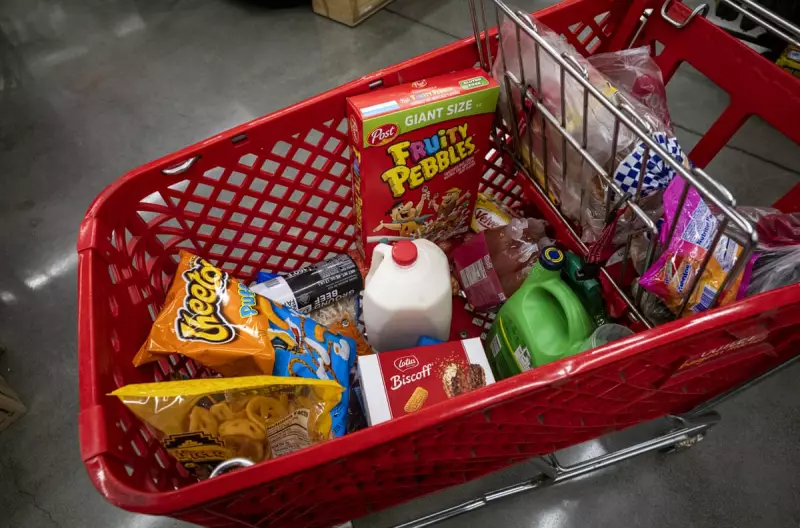
In a landmark legal move, the city of San Francisco is set to file the first government lawsuit in the United States against major food manufacturers over the health impacts of ultra-processed foods (UPFs). The case, to be lodged in the San Francisco Superior Court on Tuesday, 2 May 2022, argues that corporations have profited while local authorities bear the financial burden of treating diet-related diseases.
The Core of the Legal Challenge
City Attorney David Chiu announced the lawsuit, which targets ten of the nation's largest food and drink corporations. The defendants include household names such as The Coca-Cola Company, PepsiCo, Kraft Heinz, Nestlé USA, Kellogg, General Mills, Mondelez International, Mars Inc., Post Holdings, and ConAgra Brands. The suit encompasses a wide range of products, from obvious items like sugary cereals and potato chips to foods often marketed as healthy, such as certain breads and granola bars.
San Francisco accuses these companies of "unfair and deceptive acts" in their marketing and sales practices, alleging violations of California's unfair competition law and public nuisance statutes. Crucially, the lawsuit contends that the firms knew their products were linked to illness but continued to sell them. "It makes me sick that generations of kids and parents are being deceived and buying food that’s not food," Chiu told the New York Times.
The Staggering Scale of the Ultra-Processed Food Problem
Ultra-processed foods are industrial formulations containing ingredients rarely used in home cooking, such as preservatives, artificial flavours, colours, and emulsifiers. They contain little to no whole food. It is estimated that over 70% of the US food supply is ultra-processed, with children deriving more than 60% of their calories from these products.
The health consequences are severe and well-documented. A major global review published recently found UPFs are linked to harm in every major organ system. They are associated with a significantly increased risk of at least a dozen conditions, including:
- Cancer
- Obesity
- Type 2 diabetes
- Heart disease
- Depression
- Cognitive decline
The review concluded that the rise of UPFs is driven by global corporations prioritising profit, creating a "chronic disease pandemic."
Political Alignments and Legal Precedents
This lawsuit creates a rare point of agreement between liberal San Francisco and figures from the Trump administration. Robert F Kennedy Jr., who served as health and human services secretary, has been a vocal critic of UPFs, urging reduced consumption as part of a 'Make America Healthy Again' mission. Chiu noted this alignment, stating, "Even a broken clock is right twice a day," while distancing himself from Kennedy's views on other scientific matters like vaccines.
San Francisco has a strong track record in public health litigation, having previously won cases against tobacco companies, lead paint manufacturers, and opioid firms. The city has also pioneered local health policies, such as banning certain food additives in schools and prohibiting fast-food restaurants from giving away free toys with meals, a law passed in 2010.
The lawsuit seeks unspecified monetary damages to recoup the costs that San Francisco and other California counties have incurred treating residents made ill by ultra-processed foods. This legal action builds on recent state legislation, including a bipartisan bill that established the first statutory definition of UPFs in the US, laying groundwork for potential bans in schools.




