
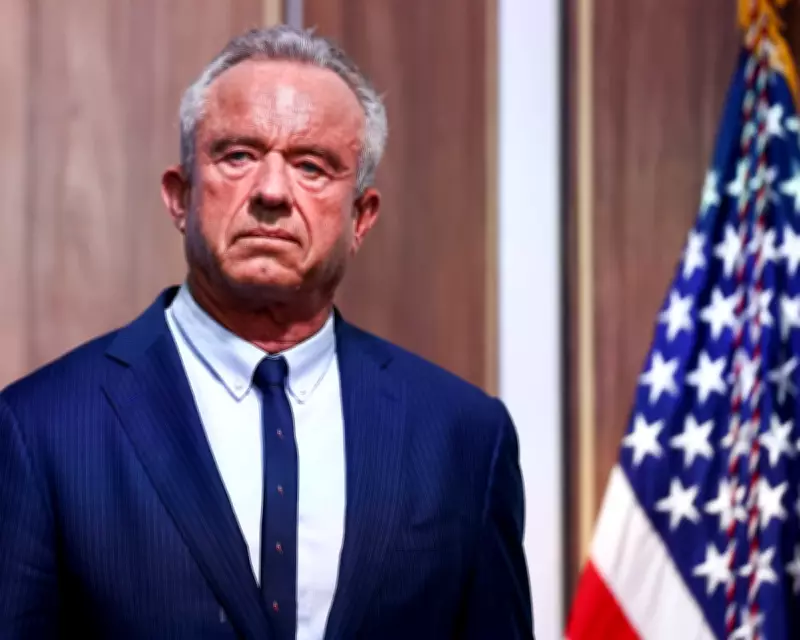
Robert F Kennedy Jr, the US health secretary, has fired the two leaders of a key health group that determines when insurance must provide free preventive care, such as mammograms and colonoscopies, for millions of Americans. The dismissals, communicated in letters dated 11 May, came before the end of their multiyear terms.
Background on the Task Force
The US Preventive Services Task Force, established in the 1980s, is composed of experts who review scientific evidence on disease prevention tools, including depression screenings and statins for heart attack prevention. The panel assigns letter grades to guidelines, with A and B grades mandating insurance coverage without co-pays under the Affordable Care Act.
However, the Department of Health and Human Services (HHS) had already sidelined the task force by indefinitely postponing public meetings over the past year, leaving updates on cervical cancer screenings and other topics in limbo.
Kennedy's Actions and Rationale
In his letters, Kennedy did not specify why he ousted Drs John Wong and Esa Davis, the task force chairs. He praised their contributions and encouraged them to reapply, stating he was reviewing appointments to ensure clarity and confidence in HHS oversight. The letters were first reported by the New York Times, and an HHS spokesman declined to comment on the reasons.
Kennedy had previously told lawmakers he was reforming the task force, calling it "lackadaisical" and promising more frequent meetings and transparency. However, health advocates feared he might replace experts with political appointees, as he did with a vaccine advisory committee.
Impact on Public Health
Former task force chair Dr Michael Silverstein expressed concern over government intrusion into scientific processes, noting the panel was blocked from publishing final updates on cervical cancer screening and maternal depression recommendations. Aaron Carroll of AcademyHealth said the staggered terms system normally allows health secretaries to appoint new members without disrupting the panel.
These developments come amid broader concerns about misinformation in US healthcare under Kennedy's leadership.




