
The public conversation around ultra-processed foods (UPFs) has been dominated by blanket warnings, but leading health experts are now calling for a more sophisticated understanding. The key differentiator, they argue, isn't just the level of processing, but whether the food originates from plants or animals.
The Nuance Behind Ultra-Processing
Recent guidance from major medical bodies supports a more detailed view of UPFs. The American Medical Association has officially backed initiatives to educate the public on the differences between healthful and unhealthful ultra-processed foods. Echoing this, the American Heart Association has published a report stating that not all UPFs are junk foods and that some can even form part of a healthy diet.
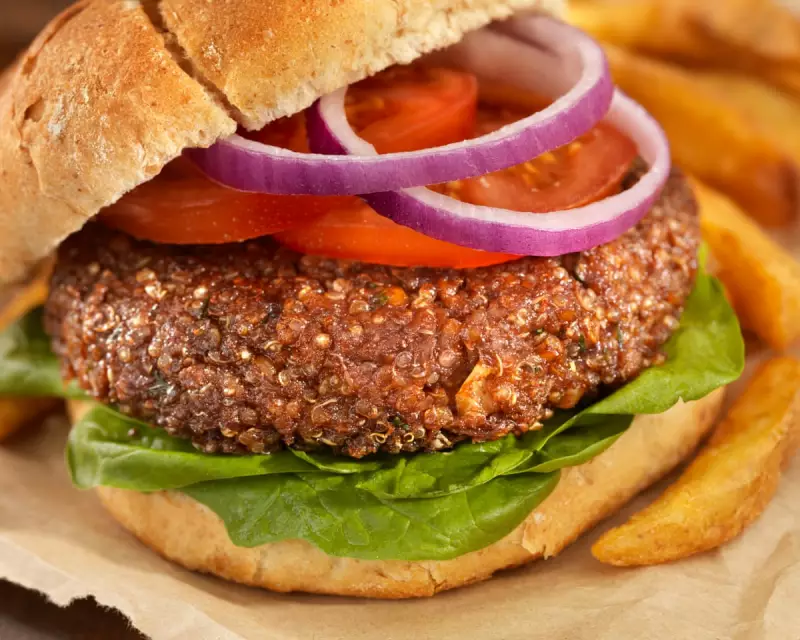
This critical distinction often comes down to the food's source. UPFs derived from animal products, such as chicken nuggets and processed cheese, are consistently linked to negative health outcomes. In contrast, many plant-based UPFs, including breakfast cereals, canned beans, and veggie burgers, can contribute positively to health.
What the Research Shows
Compelling data from recent studies illustrates this divide. A significant Harvard study discovered that consuming animal-based ultra-processed products was associated with a 44% higher risk of developing type 2 diabetes. Conversely, eating ultra-processed whole-grain cereals was linked to a 22% reduction in diabetes risk.
Further evidence from a study published by BioMed Central found that moderate consumption of plant-based UPFs like muesli and bran cereal correlated with lower mortality risks from cardiovascular disease and cancer. The research concludes that plant-based meat alternatives are a healthier option than animal meat, even when they are themselves ultra-processed.
Shifting the Public Health Focus
The Physicians Committee for Responsible Medicine emphasises that the intense focus on processing obscures a more significant public health issue: the consumption of meat and dairy. Their research demonstrates that replacing animal products with plant-based foods—even processed ones—leads to measurable benefits, including weight loss, reduced hot flashes in postmenopausal women, and improved insulin sensitivity.
The ultimate takeaway is clear: Choosing a veggie burger, however processed it may be, is a demonstrably healthier choice than opting for a beef burger. As the scientific community urges a move away from simplistic food labels, the evidence confirms that prioritising plants over animal products is the most impactful decision for long-term health.




